

Out-of-spec or defective fabrication
A part built to the wrong dimension or with a flawed weld can fail or require rework after installation, creating product liability exposure.
Try a different word, or check the spelling.
A finished assembly may leave your shop on a truck, but your responsibility for it can continue. Check that your insurance reflects what you fabricate and any installation you take on.
Tell us what leaves your shop, who supplies the drawings and whether your crew installs the finished work.
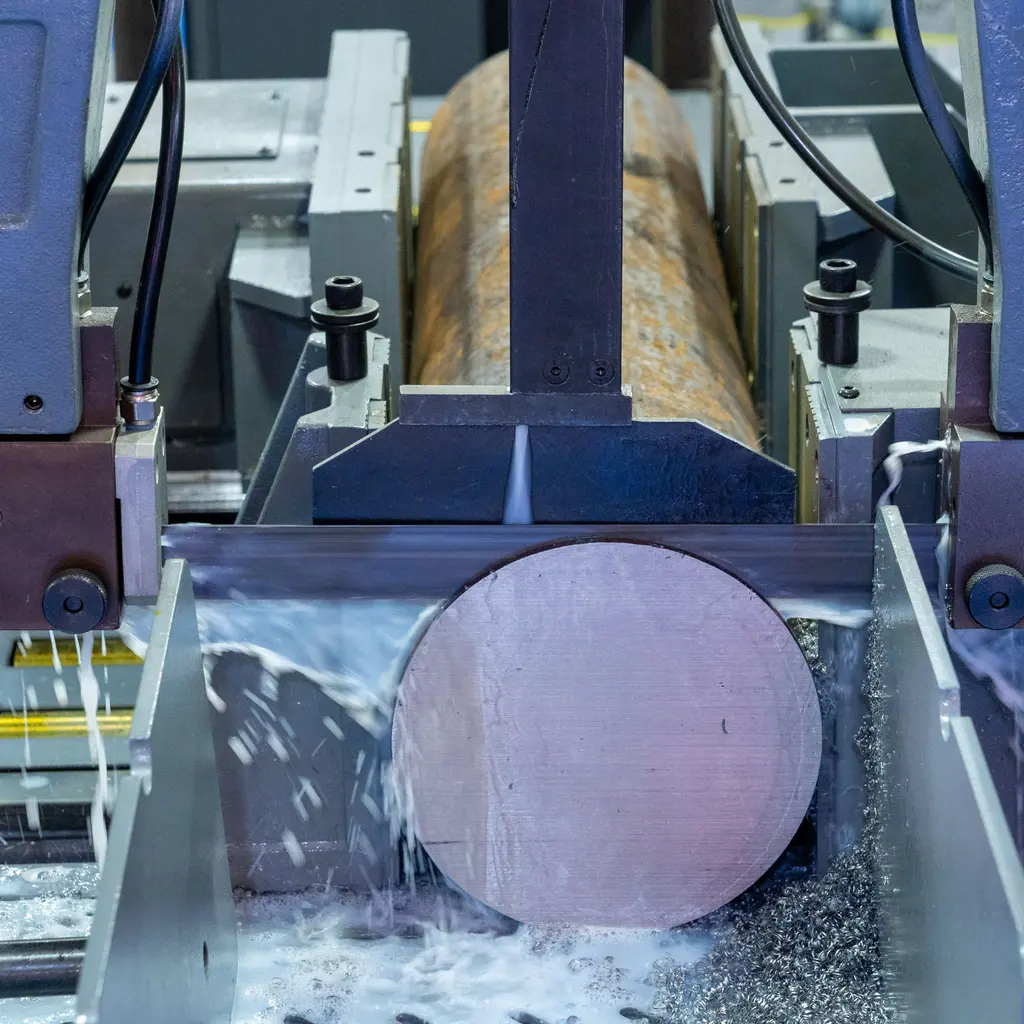
You may cut plate, bend sections or weld assemblies to a customer's drawings. A shop fire can damage machinery and unfinished orders, while a failed part can lead to a claim after delivery. If you install the work, your exposure extends to the customer's site.
The Southern Agency can review the products you make and whether you design, deliver or install them. We can discuss protection for your machinery and work in progress alongside products liability and off-site work, using your customer contracts to identify responsibilities.
A part built to the wrong dimension or with a flawed weld can fail or require rework after installation, creating product liability exposure.
Shops delivering and installing railings, frames, or structures can damage a customer's property or injure a third party on site.
Hot work, sparks, sharp edges, and flying debris expose fabricators to burns, eye injuries, and lacerations on the shop floor.
Welders, grinders, and measuring tools moved between the shop and job sites can be lost, stolen, or damaged away from premises.
Cutting, grinding, and welding generate sparks and slag that can ignite materials, threatening the shop and work in progress.
A failure of a press brake, plasma table, or saw can stall custom orders and delay committed delivery dates.
Trucks hauling finished metalwork and materials to customers create auto liability and cargo damage exposure on the road.
Policies to ask about. Which ones fit depends on your operations, your contracts, and the carrier’s forms.
These hypothetical examples are not agency claim results. Whether a loss is covered depends on the facts, policy terms, and applicable exclusions.
A railing fabricated and installed by your shop gives way and injures a visitor. Products-completed operations coverage may help with the injury claim. The review should include both fabrication and installation, and whether your shop designed the railing or followed supplied drawings.
Welding gear and grinders are stolen from a truck at a customer location overnight. Inland marine may help replace the tools, subject to the policy and limits. Check tool ownership, truck and jobsite security, the covered theft cause, valuation, and limits. Leaving tools overnight is not itself proof of coverage.
Sparks from grinding ignite material and damage the shop and a pending order. Property coverage may help with repairs and inventory, depending on the policy and exclusions. Check the covered fire cause, equipment and your own or customer stock and work in progress, valuation and purchased income protection. The full order price and correcting a defective weld are not automatically insured costs.
Start with the work you do and the questions your current policies leave unanswered. Carrier options depend on your location, risk, and underwriting. Explore our approach.
If your shop delivers and installs, general liability with completed-operations may respond to jobsite injury or property damage, subject to policy terms and underwriting.
Inland marine coverage may help protect tools in transit and at job sites against theft or damage, depending on the specific policy and limits.
Document the part, end use, cause, design, and installation duties and any injury or damage to other property. Check products and completed work included and own-product, own-work, impaired-property, professional, and contract terms. Failure alone does not insure every replacement, recall, or customer shutdown.
A commercial package can combine selected property and liability parts. Compare the actual parts, limits, and exclusions with your changing job mix, design, installation, and stock or tool interests. Suitability and availability depend on the duties and proposed terms, not the package name.
Vehicles used to haul materials and finished work generally need business auto coverage for liability and physical damage, depending on use and ownership.
Read the customer or project's limits, additional-insured, and indemnity requests, including changed product, design, or installation duties. Compare them with included duties and issued endorsements. A contract or certificate does not guarantee matching availability or insure every design obligation or weld correction.
Bring your questions, current policies, and relevant contracts. An agent can review coverage terms, exclusions, and the information carriers ask for, then explain the options available to you.