Skip to content

Curtain And Drapery Maker Insurance

Your client's designer fabric can be worth more than the sewing work and may be difficult to replace. Entrusted-property and installation protection need suitable values, separate from correcting a measurement or a disputed flame-performance result.

The Southern Agency can help you understand the risks of handling client materials and performing on-site installation work.

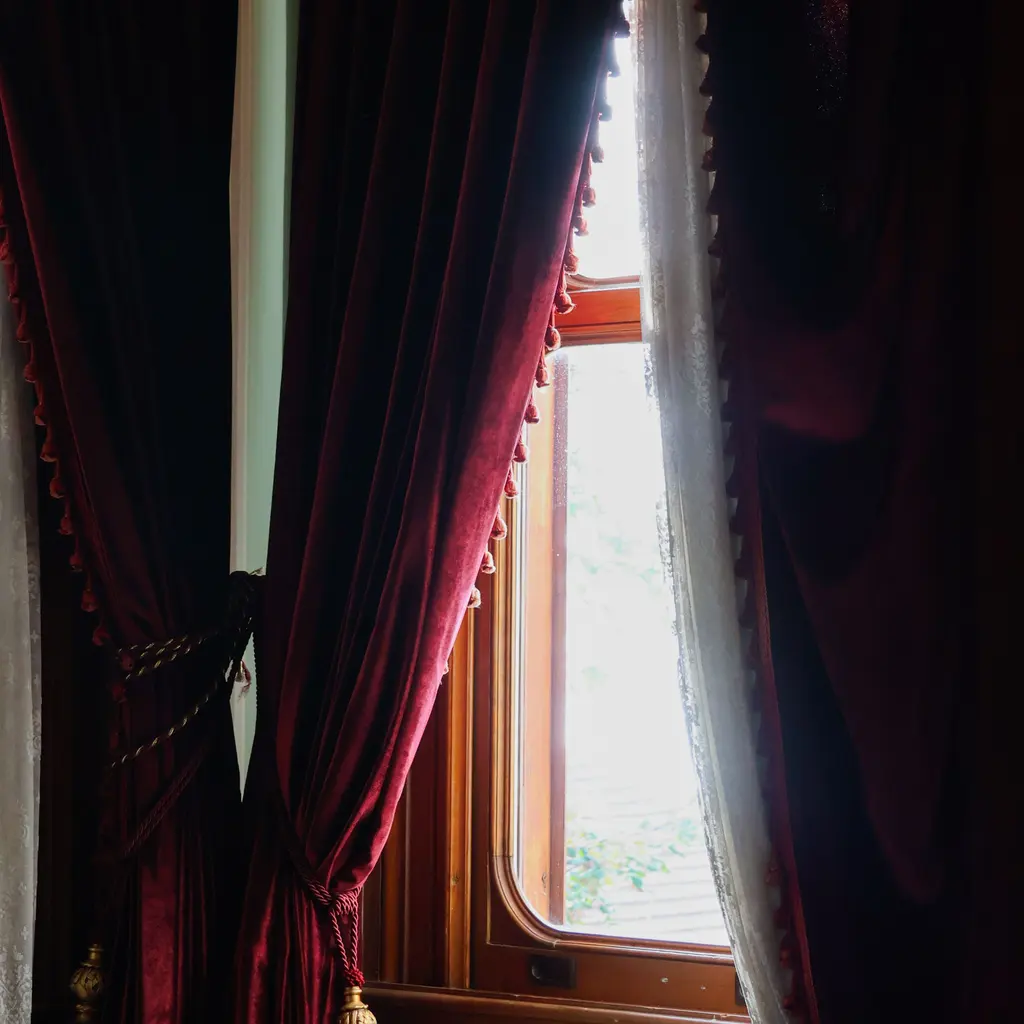
Deep-red drapes tied back around a bright wooden window.

Industry overview

Your work with custom fabrics and client-supplied materials creates risks during fabrication, pressing and off-site installation. An incorrect measurement or a failed flame-performance test can lead to significant rework or professional disputes.

The Southern Agency can review your workroom processes, client handoffs, and installation duties to help you choose insurance for your business. We can discuss how to protect entrusted fabrics while managing the liability associated with on-site hanging and fitting.

Risks worth discussing

Flame-retardant certification failures

Occupancy, jurisdiction and the buyer's specified flame-performance or treatment requirement need qualified review. Failure can prompt rejection or replacement, but a test listing or failed rating alone neither certifies compliance nor assures insured replacement.

Customer-supplied fabric in your care

Designer and client-owned fabric held for fabrication creates bailee exposure if it is damaged, lost, or destroyed.

High-value fabric fire and water loss

Rolls of designer fabric and finished treatments represent concentrated values vulnerable to fire, smoke, and water damage.

Off-site delivery and installation

Finished drapery delivered and hung at client sites faces transit damage and third-party property exposure during installation.

Workroom sewing and pressing injuries

Needles, steam presses, and repetitive cutting and pleating expose staff to burns, punctures, and strain injuries.

Custom order errors and rework

Incorrect measurements, fabric, or pleating on custom jobs can lead to rejected orders and contractual disputes.

Situations to think through

These hypothetical examples are not agency claim results. Whether a loss is covered depends on the facts, policy terms, and applicable exclusions.

  1. Hypothetical: Hypothetical: Hotel drapery fails flammability test

    Drapery installed in a hotel fails an inspector's specified flame-performance test and must be replaced. Establish the actual requirement and whether injury or damage to other property occurred. Review own-product, own-work, impaired-property, and any separately offered errors or financial-loss terms. Mandatory replacement or a failed test alone is not proof of a product or contractual-liability payment.

  2. Hypothetical: Hypothetical: Customer fabric damaged in workroom

    A sprinkler discharge damages a client's designer fabric awaiting fabrication. Inland marine bailee coverage may respond, subject to the policy, endorsements, and exclusions. Check the client-fabric interest insured, sprinkler cause, workroom, and processing stage, valuation, and limits. Damaged or rejected fabric alone is not proof of coverage.

  3. Hypothetical: Hypothetical: Property damage during installation

    An installer accidentally damages a client's wall while hanging heavy drapery. General liability may respond, depending on the policy. Check the hanging duties included, the wall or other property being worked on, other damage and exclusions. Correcting your own faulty drapery or measuring again is a separate cost.

Before you talk to an agent

What to have ready

Tick items as you gather them. Nothing here is saved or sent.

Questions to raise

  • Compare product terms with actual flame-performance contract duties
  • Confirm bailee limits for customer-supplied fabric
  • Assess installation exposure under general liability
  • Review inland marine for transit and off-site goods
  • Evaluate property limits for high-value fabric stock

Contract terms to check

  • Clarify who designs and measures, supplies or owns fabric and treatments, fabricates in the workroom and installs. Identify the client and site responsibilities.
  • Compare the hanging-textile and installation duties included, injury and other-property terms, custody, processing, and own-work provisions with buyer test and fit promises. A certificate, rejected measurement or BOP name alone neither certifies compliance nor assures available insurance, fabric replacement, or payment of contract penalties.

What the agent conversation looks like

Start with the work you do and the questions your current policies leave unanswered. Carrier options depend on your location, risk, and underwriting. Explore our approach.

  1. ListenReview your operations, current coverage, and past claims.
  2. AssessIdentify potential hazards and discuss ways to reduce risk.
  3. BuildDiscuss policy and carrier options, premium costs, and audits.
  4. SupportReview changes and help you plan ahead as your needs develop.

Questions owners ask

Why is flammability important for drapery makers?

Review the hanging textile and treatment, occupancy, jurisdiction, and buyer's specified test with qualified advisers. A test standard alone establishes neither local adoption nor insurance. Failed certification or mandatory replacement is not itself proof of covered injury, other-property damage, own-work correction, or recall.

How do we protect customer-supplied fabric?

Inland marine bailee coverage can address client-owned fabric in your care. Coverage depends on the specific policy, scheduled values, and exclusions.

Are we covered when installing drapery on-site?

General liability commonly responds to property damage or injury during delivery and installation, depending on policy terms and the facts.

Is a business owners policy suitable for a workroom?

Review the sewing, treatment and installation duties included, products within the general-liability part, customer fabric, off-site values and locations, and exclusions. Entrusted-property, processing and installation terms need their own comparison. Neither a BOP nor a separate product policy is automatically sufficient, eligible or available.

What if a custom order is made incorrectly?

Wrong dimensions, fabric or pleating alone are quality or contract disputes, not proof of insured injury or other-property damage. Review approvals, redo and refund promises and any separately offered design, errors or financial-loss terms. Product or contractual-liability wording alone does not pay for every rejected order.

How much property coverage do we need for fabric?

Designer fabric and finished treatments can carry high values. Property limits should reflect peak stock on hand, subject to policy terms and valuation.

Talk through your curtain and drapery maker coverage

Bring your questions, current policies, and relevant contracts. An agent can review coverage terms, exclusions, and the information carriers ask for, then explain the options available to you.

How can we help you get started?

Choose the quote that fits, and we’ll take it from there.

Have a question? Contact us