

Damage to customers' furniture
Pieces in your care can be scorched, stained, torn, or lost, and antiques or heirlooms may be difficult or impossible to replace at any price.
Try a different word, or check the spelling.
Your pickup truck, the customer's chair inside it and the new fabric awaiting use are different insured interests. Custody and transit terms should fit the furniture and the work, without promising to pay for sentimental value or a disputed finish.
The Southern Agency can help you review customer furniture while it is collected, repaired and returned.
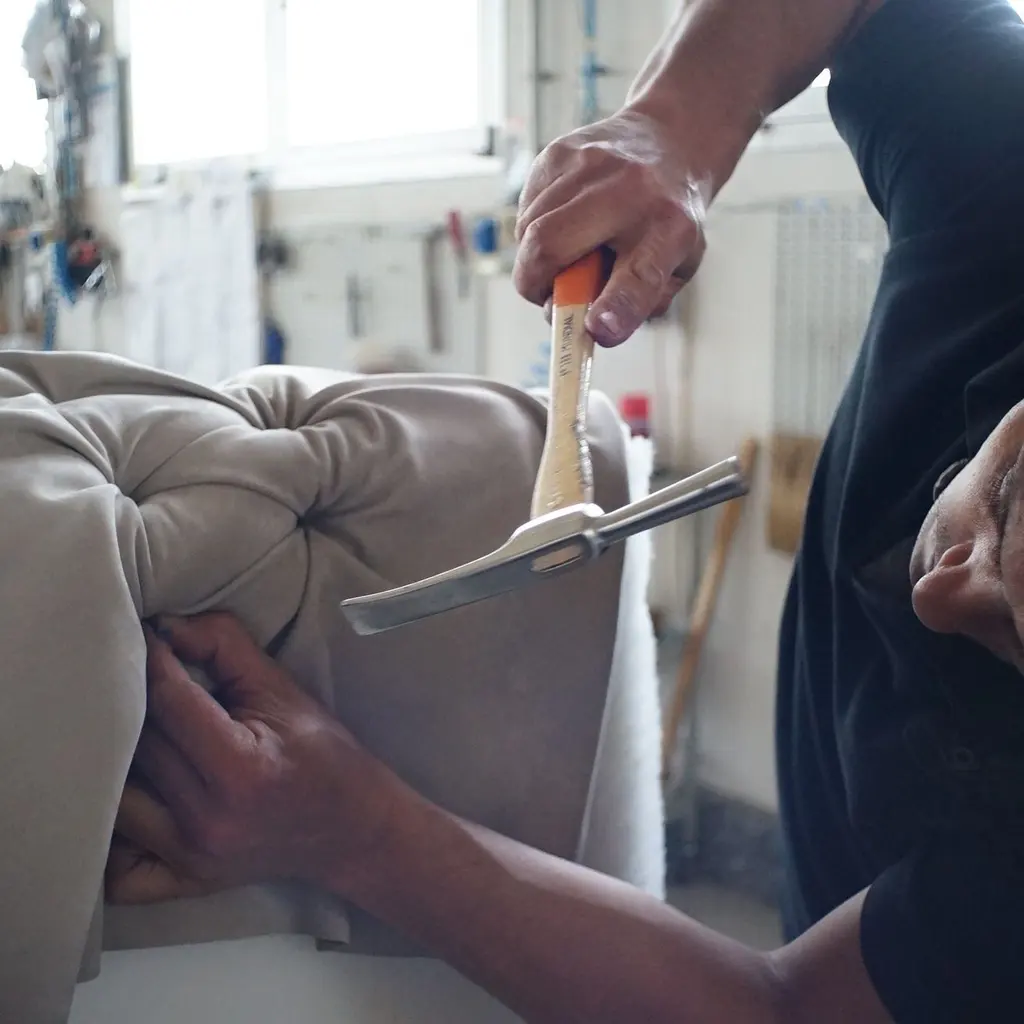
You restore furniture and seating entrusted to your shop, sometimes including antiques or hard-to-replace pieces. Sewing, stapling and frame work bring tool and lifting hazards, while foam, fabric and the adhesives or finishes you actually use shape fire exposure. Pickup, delivery or work in customers' homes adds handling stages beyond the shop.
The Southern Agency can help you evaluate your shop operations, including the storage of customer items and the use of shop tools, to help you select appropriate insurance. We can discuss how your policy protects entrusted furniture compared to your own materials and tools.
Pieces in your care can be scorched, stained, torn, or lost, and antiques or heirlooms may be difficult or impossible to replace at any price.
Foam offcuts, fabric dust and actual adhesive/finish formulations around heat tools or wiring can support a shop fire; assess materials and storage rather than classify all adhesives alike.
Loading, hauling, and unloading bulky upholstered furniture exposes both customer goods and your vehicles to collision and handling losses.
Disputes over fabric matching, sagging, or finish quality can lead to demands for redo work, refunds, or liability claims.
Lifting heavy frames, operating staple guns, and cutters, and repetitive sewing expose staff to cuts, punctures, and musculoskeletal injuries.
Bolts of fabric, completed furniture awaiting pickup, and tools are attractive targets for theft from a shop or loading area.
Policies to ask about. Which ones fit depends on your operations, your contracts, and the carrier’s forms.
These hypothetical examples are not agency claim results. Whether a loss is covered depends on the facts, policy terms, and applicable exclusions.
A solvent spill stains a customer’s heirloom sofa beyond repair before it is re-covered. Compare direct customer-property and bailee legal-liability terms, processing, existing condition, and valuation. Irreparability or sentimental importance does not establish full replacement or restoration cost.
Foam offcuts ignite near a heat tool and damage the building, equipment, and several pieces in process. Property may help with repairs and replacement, subject to the policy, endorsements, and exclusions. Separate owned building, tools and materials from customer furniture in process, then check the covered fire and valuation. Ordinary contents alone does not insure all entrusted pieces or every shutdown cost.
A finished armchair is dropped and torn while being unloaded at a client's home. Goods-in-transit cover may respond to repairs, depending on the policy. Check the entrusted piece, custody, unloading, and handling stage, processing, workmanship, valuation, and limits. Transit wording or auto liability alone does not pay for every dropped chair.
Start with the work you do and the questions your current policies leave unanswered. Carrier options depend on your location, risk, and underwriting. Explore our approach.
Identify pieces, values, condition and shop, repair, client-site, and delivery stages. Compare direct customer-property cover with bailee legal liability, processing restrictions and valuation limits. Regular contents or general liability does not automatically insure every entrusted antique, sentimental value or full restoration.
Assess foam, fabric dust, adhesives, and finishes around heat tools and wiring; formulation and storage matter. Check shop materials and processes included, covered causes, conditions, and pieces by owner and value. Controls do not guarantee availability or every contents, antique, or shutdown benefit.
Review owned, hired and employee vehicles, drivers and pickup, loading, and unloading duties against proposed auto terms. Vehicle liability and purchased vehicle-damage cover differ from cargo, customer property, and handling. Auto insurance alone does not insure furniture being hauled.
Separate injury or damage to other property from mismatched fabric, sagging, bad finishes, refunds, and redo work. Check completed work included, custody, worked-on property, own-work, product, and contract restrictions. Approval and condition records help identify duties, but do not create workmanship or fee benefits.
Compare property, liability and income parts actually proposed with entrusted pieces, processing, client-site work, pickup and delivery and vehicle or vessel seating. Shop size alone does not establish eligibility. Customer goods, transit, valuation and faulty-work restrictions need separate review rather than assuming a BOP includes them.
Property and equipment coverage may respond to theft of machines and tools, subject to limits and the specific policy, endorsements, and exclusions.
Bring your questions, current policies, and relevant contracts. An agent can review coverage terms, exclusions, and the information carriers ask for, then explain the options available to you.