

Foam and fill storage fire
Foam slabs, loose fill bins, and compressed finished goods concentrate combustible stock. Formulation, quantities, and storage need material-specific fire assessment.
Try a different word, or check the spelling.
Your fill can be stored loose, processed through a blower and compressed into an order awaiting shipment. Property values and breakdown terms should reflect those stages without treating a failed product test or retail delay as insured damage.
The Southern Agency can help you align your pillow and cushion manufacturing risks with the insurance coverage you need.
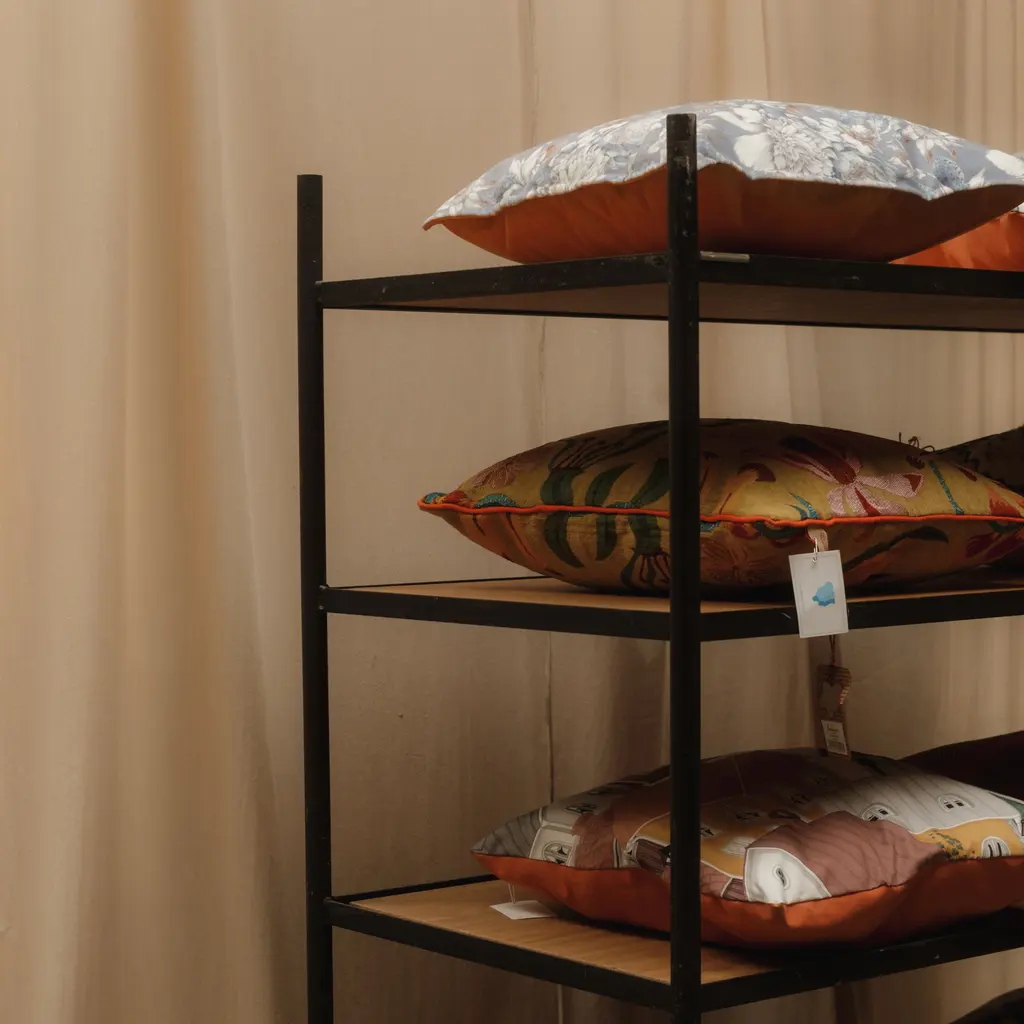
You manufacture bedding and cushions by processing foam and fiberfill. Large quantities of combustible material and specialized blowing or shredding equipment create unique fire and respiratory hazards.
The Southern Agency can help you assess your material storage and production processes to select appropriate insurance. We can clarify the difference between an injury claim, a failed flame test, and the costs of a retail-order recall.
Foam slabs, loose fill bins, and compressed finished goods concentrate combustible stock. Formulation, quantities, and storage need material-specific fire assessment.
Identify the finished pillow or cushion, intended use, and applicable label or safety requirements. A failed specification can lead to correction or withdrawal without injury.
Blowing or shredding fill can release particulate near filling stations. Respiratory and dust hazards depend on the material and process.
Large completed orders can concentrate value before shipment. Identify ownership, storage and seasonal peaks.
Cutters, needles, filling stations and compression equipment expose workers to cuts, pinch points, and strains.
Blower, lamination or compression failure can stop a retail or furniture order; repair and restart time may exceed the machine repair alone.
Policies to ask about. Which ones fit depends on your operations, your contracts, and the carrier’s forms.
These hypothetical examples are not agency claim results. Whether a loss is covered depends on the facts, policy terms, and applicable exclusions.
Stored foam slab ignites and spreads to the fill department and finished inventory. Review the covered fire cause, stock ownership, peak values, and valuation, along with any purchased income terms. The amount stored and a fire assessment do not themselves establish every replacement or interruption benefit.
A seat cushion line fails a flammability requirement applicable to that article and faces recall. Identify the requirement with qualified advisers and review any offered withdrawal trigger, expenses, consent, and limits. Failed testing does not itself establish an injury claim or fund replacement, relabeling, retesting, and refunds.
A fill-blowing machine fails and halts cushion production ahead of a retail deadline. Identify covered internal damage and purchased stock and income terms, including repair and restart time. Wear, a poor fill setting and late-order penalties are different expenses.
Start with the work you do and the questions your current policies leave unanswered. Carrier options depend on your location, risk, and underwriting. Explore our approach.
Foam slabs and accumulated fill can support a substantial fire and smoke loss. The material, quantity and storage matter. Obtain a qualified fire assessment and compare insured stock values and covered causes; fire controls do not guarantee insurance acceptance or payment.
Identify the finished article and intended bedding, decorative or seating use with qualified advisers. Mattress rules do not automatically apply to every pillow or cushion. Bring the applicable requirements and buyer tests, then review failed tests, correction, and recall separately from injury liability.
Describe the fill and whether you blow, shred, stuff, or laminate it. Airborne particulate can create respiratory and material-specific fire concerns. Review controls with qualified advisers and applicable employee benefit terms; not all fill dust has the same hazards or insurance response.
Ask whether the offered terms cover your finished cushions and the safety event and expenses involved. Retrieval, replacement, retesting and refunds are not established by product liability or a failed test alone. Check consent, limits, and exclusions.
Check eligibility for the materials, filling processes, values, and uses you declare. Compare the BOP components and limits with machinery, stock, and withdrawal needs. A small plant or a BOP name does not establish that these interests are included.
Identify the covered internal blower, laminator or compression failure and purchased stock and income terms, including repair and restart time. Wear, a wrong fill setting, rejected goods, and late-order penalties are different expenses.
Bring your questions, current policies, and relevant contracts. An agent can review coverage terms, exclusions, and the information carriers ask for, then explain the options available to you.