

Defective or ill-fitting restorations
A crown, denture, or implant component that fails, fractures, or fits poorly can trigger remake costs and liability claims tied to the patient's treatment.
Try a different word, or check the spelling.
Your CAD/CAM file, the model and the finished restoration are different things to protect on a case moving between the lab and practice. Transit and data terms should not be mistaken for a promise to remake an ill-fitting crown.
The Southern Agency can help you review fabrication versus clinical duties, case and alloy values, critical machinery and patient-file handling against separate policy terms.
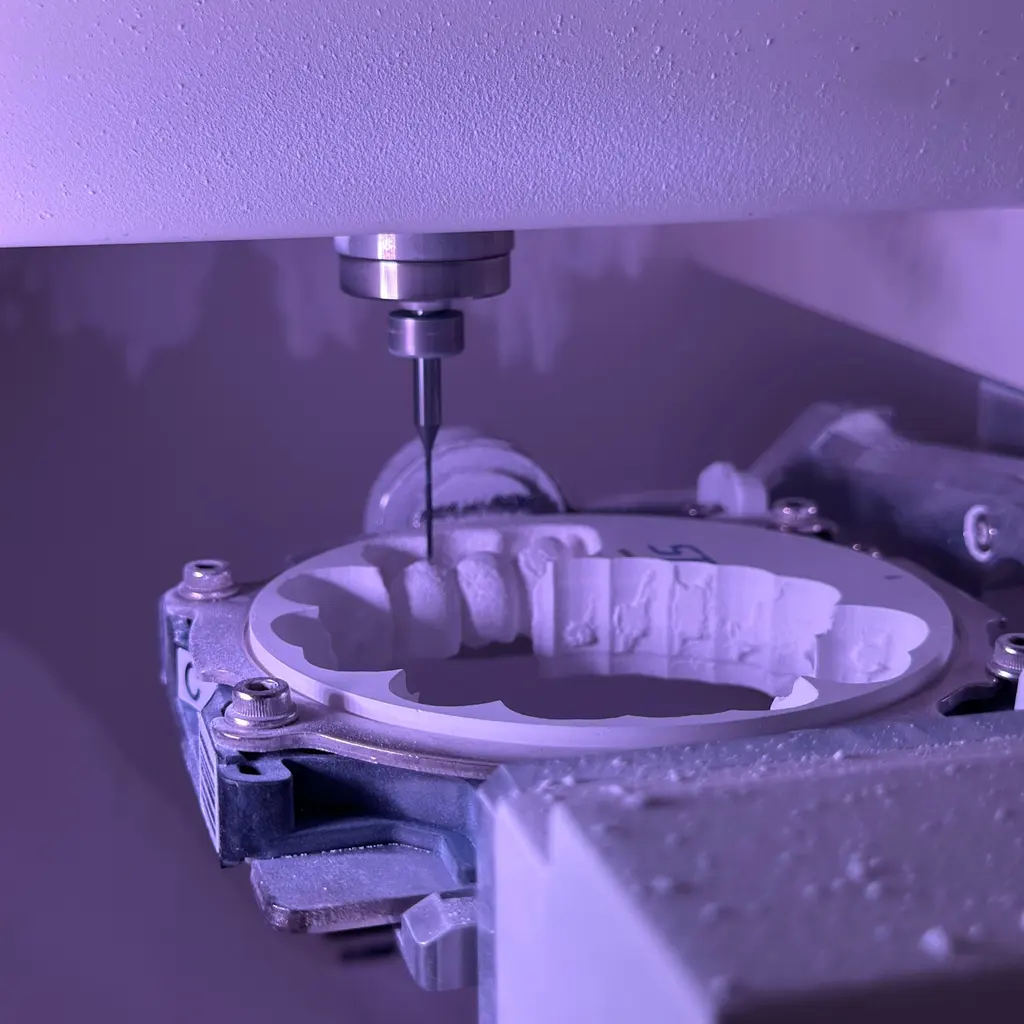
You fabricate custom restorations from patient scans and models, managing tight turnaround times for dental practices. If a restoration fails to fit or a patient is injured by a device you supplied, you could face chargebacks, remakes, or formal claims.
The Southern Agency can review your laboratory’s workflow, from digital file handling to physical fabrication, to help you select appropriate insurance. We can discuss how inland marine coverage can protect cases in transit and how cyber liability fits your use of sensitive patient scan files.
A crown, denture, or implant component that fails, fractures, or fits poorly can trigger remake costs and liability claims tied to the patient's treatment.
Porcelain furnaces, CAD/CAM mills, and casting units are essential and costly; a breakdown can halt production and delay every case in the queue.
Restorations and models routinely travel between the lab and dental practices, exposing high-value custom work to loss or damage off premises.
Digital impressions, prescriptions, and patient identifiers stored on lab systems create privacy and breach exposure if networks are compromised.
Grinding dust, chemicals, hot furnaces, and repetitive fine work expose technicians to respiratory, burn, and ergonomic injury risk.
High-temperature furnaces and accumulated polishing dust raise fire potential that can damage equipment, inventory, and the premises.
Gold and platinum-group alloys held for casting carry meaningful value, making them a target for theft and inventory shrinkage.
Policies to ask about. Which ones fit depends on your operations, your contracts, and the carrier’s forms.
These hypothetical examples are not agency claim results. Whether a loss is covered depends on the facts, policy terms, and applicable exclusions.
A dentist alleges a fabricated bridge fractured shortly after placement, prompting a remake and a claim. A product liability review would first establish whether there was patient injury or damage beyond the bridge, and what fabrication or design duties the lab performed separately from the dentist's treatment. The policy's exclusions for the lab's own products and work, professional or clinical services, and contractual refunds still matter, as do claim timing and reporting. The fracture and remake alone do not establish payment.
A CAD/CAM milling unit suffers an internal breakdown and stops production for several days. Equipment breakdown coverage may help with repair and resulting lost income if the internal failure is covered. Review affected lab or customer work and the income coverage and restoration period purchased. A delay, poor fit or need to requalify production does not by itself establish an additional benefit.
A box of finished restorations is lost by a courier between the lab and a practice. Inland marine coverage may help with the custom work if the property, courier route and cause of loss are covered. Check who owns the cases and models and whether packing conditions were met. Payment remains subject to valuation and limits; it need not equal the full case fee.
Start with the work you do and the questions your current policies leave unanswered. Carrier options depend on your location, risk, and underwriting. Explore our approach.
A restoration may be alleged to injure a patient. Review the lab's manufacturing and design duties separately from the dentist's treatment. Check the products, services and people insured, exclusions for your own work and professional or contractual obligations, and claim timing and reporting requirements. A remake, refund or poor fit alone does not establish a covered liability claim.
Standard property coverage often stops at the premises. Inland marine may help protect custom cases and models in transit, depending on the specific policy and endorsements.
Cyber liability may help with breach response and notification if scan files or patient records are compromised. Coverage depends on the policy, endorsements, and the facts.
Commercial property covers physical damage from events like fire, while equipment breakdown may respond to internal mechanical or electrical failure, subject to policy terms.
Availability depends on the proposed policy and its terms for precious metals, entrusted property and crime. Identify who owns the alloys, the highest value held, who has custody, and how assay and inventory records reconcile. Review covered causes of loss, valuation and limits. Listing the stock does not establish that a program is available, and missing metal still needs evidence of a covered loss. A contractual obligation to repay its value may exceed the insurance response.
It is commonly required where staff face dust, chemical, burn, and repetitive-motion exposure. Requirements vary by state, and coverage is subject to policy terms.
Bring your questions, current policies, and relevant contracts. An agent can review coverage terms, exclusions, and the information carriers ask for, then explain the options available to you.