

Medical-device product defect and patient harm
A defective handpiece, instrument, or contaminated consumable used in clinical care can cause patient injury, driving product liability and recall exposure.
Try a different word, or check the spelling.
Your sterilizer can need repair while a separate quality finding keeps a device batch from release. Machinery and product protection need distinct triggers, with regulatory correction and clinical use not automatically included in a manufacturer's policy.
The Southern Agency can help you align your product liability and manufacturing plant insurance with your specific dental device production.
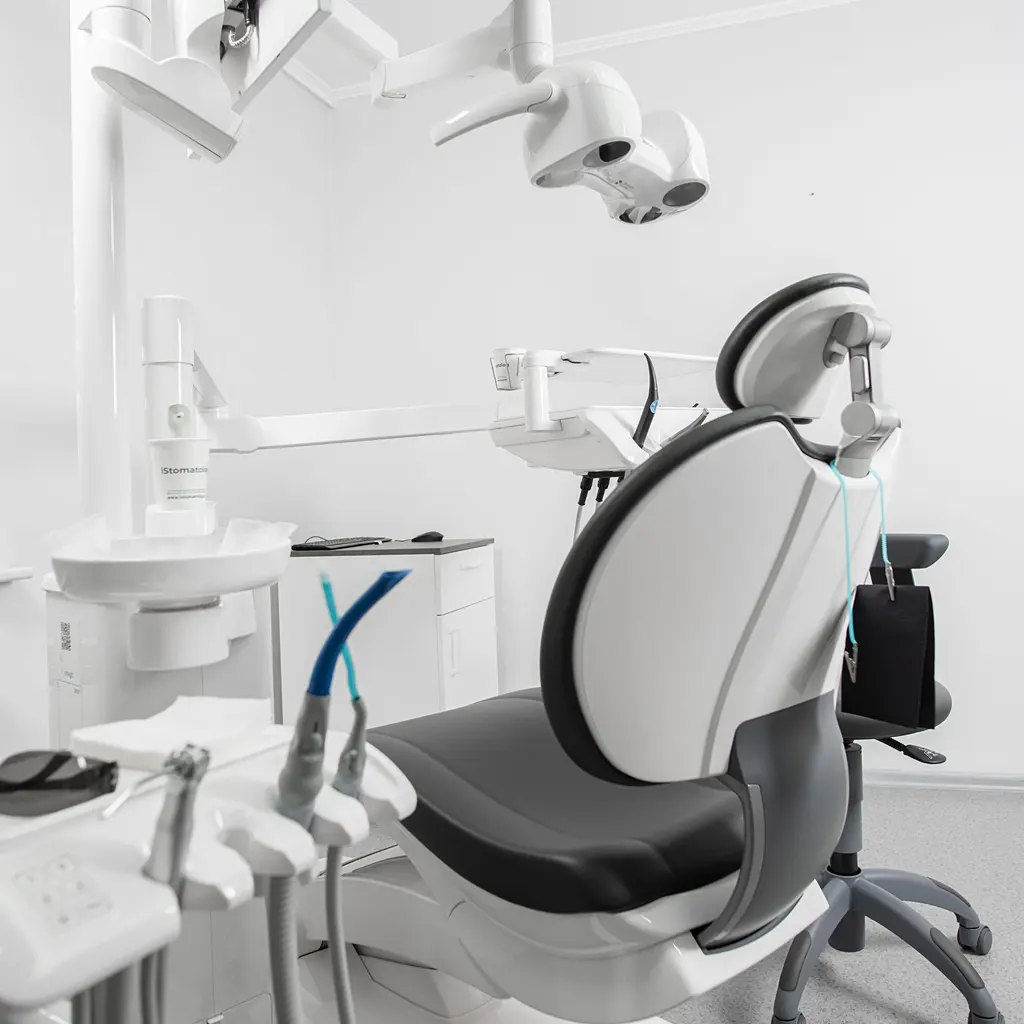
You manufacture dental equipment or supplies, from powered handpieces and chairs to instruments or compounded materials. A defect, contamination or labeling error can lead to patient-injury and withdrawal demands. Machining, electronics assembly and any sterilization you perform add different plant and worker exposures.
The Southern Agency can review your devices, patient-contact uses and in-house or outsourced processing to help you choose insurance. We can compare product and any service duties with recall terms, machinery and requalification costs, and the customer or clinical data you actually retain.
A defective handpiece, instrument, or contaminated consumable used in clinical care can cause patient injury, driving product liability and recall exposure.
As a medical-device maker, the firm faces FDA oversight where a quality lapse can trigger costly recalls, corrective actions, and liability.
Compounding materials and running sterilizers expose workers to chemical, thermal, and respiratory hazards requiring strict controls.
Precision machining and electronics assembly create laceration, ergonomic, and burn exposures for the workforce.
Handling clinical and customer data plus proprietary formulations creates cyber and IP risk if systems are compromised.
Sterilizers, machining centers, and finished-device inventory concentrate values that breakdown or fire could disrupt.
Policies to ask about. Which ones fit depends on your operations, your contracts, and the carrier’s forms.
Ready to compare options?
Get a quote for Dental Equipment and Supply Manufacturer Or call 1-800-777-1TSAThese hypothetical examples are not agency claim results. Whether a loss is covered depends on the facts, policy terms, and applicable exclusions.
A handpiece allegedly malfunctions during a procedure and injures a patient. Product liability may respond to defense and damages, depending on the policy and claim facts. Check the handpiece, design and sterilization roles included and patient-injury terms alongside professional or clinical, own-product and contract provisions.
A consumable batch is suspected of contamination and must be recalled. Check whether the policy's product and recall terms include the device and actual safety or defect trigger. Review expenses, consent and limits and testing or replacement separately from regulatory correction. Suspected contamination and withdrawal alone prove neither an injury-liability loss nor a recall payment.
A cyber incident exposes customer and clinical data, prompting notification costs. Cyber coverage may respond to breach response and liability, subject to the policy and endorsements. Check the data and role insured, covered security or privacy event and purchased response, notice, and consent terms. Formulation or intellectual-property losses and patient injury need separate review.
Start with the work you do and the questions your current policies leave unanswered. Carrier options depend on your location, risk, and underwriting. Explore our approach.
A handpiece, instrument or consumable may be alleged to injure a patient; chairs, imaging units and other equipment have different uses. Check devices, design, and any clinical duties included, insured parties and exclusions. Ordinary product wording and registration alone do not insure every device or treatment.
Review the device, contamination or safety event and regulatory and contract duties with qualified advisers. Check the separate withdrawal trigger, notice, consent, expenses, limits, and exclusions. Product-injury liability, registration and ordinary excess do not automatically pay for testing, field repair, replacement, regulatory correction, or every recall.
If you store clinical, customer, or proprietary formulation data, cyber coverage may help with breach response and related liability, depending on operations and the policy.
Compounding chemicals and sterilants create release potential. Environmental coverage may help with cleanup and related liability, depending on operations and the specific policy.
Check covered internal sterilizer or machining damage and repairs, purchased stock, income and extra expense, waiting periods, and restoration terms. Wear, failed sterility, process validation, requalification and regulatory shutdown alone neither create an insured benefit nor promise an authorized return to production.
Workers' compensation commonly responds to work-related injuries, including chemical, laceration, and ergonomic conditions, subject to the policy and the applicable jurisdiction.
Bring your questions, current policies, and relevant contracts. An agent can review coverage terms, exclusions, and the information carriers ask for, then explain the options available to you.