Skip to content

Surgical Appliance And Supply Manufacturer Insurance

A brace adjustment and an allegation of inadequate support call for different reviews. Your product protection should identify what you designed, sized, or fitted, rather than assume the clinician's work, a remake, or a lot withdrawal shares the same coverage.

The Southern Agency can help you evaluate your coverage for the clinical use of your appliances and manufacturing responsibilities.

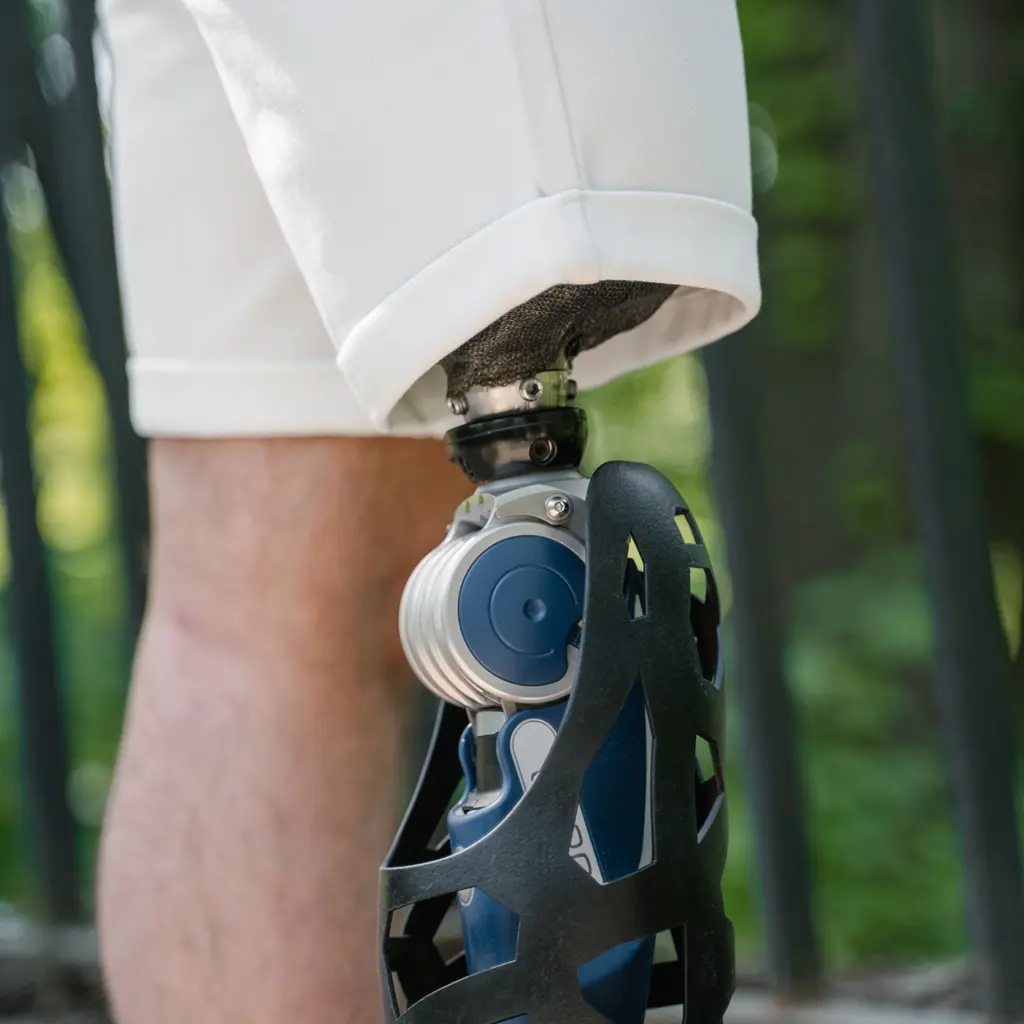
A close view of an articulated prosthetic knee and lower-leg assembly beneath white shorts.

Industry overview

You manufacture medical appliances like braces or prosthetics that contact patient skin. Contamination or fitting issues can lead to patient claims, while a packaging or sterilization failure can stop production.

The Southern Agency can help you review your products and manufacturing duties, including any fitting, packaging or sterilization you perform or outsource. We can compare patient-injury protection with the separate costs of remaking an appliance or withdrawing a supply lot.

Risks worth discussing

Skin reaction and biocompatibility claims

Materials, adhesives, contact site, and duration can affect biological safety concerns, including sensitization or irritation. Pressure and support complaints also require the actual design, sizing, and fitting facts; a skin-contact label is not a single risk classification.

Fit and performance failures

A brace or prosthetic may be alleged to provide inadequate support or cause injury. Distinguish patient harm from adjustment, remake, replacement, or refund demands and identify the manufacturer’s versus clinician’s responsibilities.

Sterility and packaging integrity

For products sold sterile, contamination or damaged packaging can require a hold, investigation, or withdrawal. A single-use label does not establish sterility, the cause of contamination or the insurance trigger.

FDA recall and product withdrawal

A device defect or contamination concern can lead to correction or removal through clinical buyers and distributors. Regulatory and recall duties need qualified review; an FDA action does not create insurance for testing, replacement or every withdrawal expense.

Plant property and inventory loss

Fire, water or storm damage can affect the plant, materials, and finished supplies. Establish the covered cause and stock interest separately from a rejected, quarantined, or expired lot and lost supply commitments.

Worker exposure to machinery and chemicals

Sewing, molding, adhesive application and packaging expose employees to machinery, chemical, and repetitive-work hazards. Include sterilization and cleaning duties where performed and identify employees and contractors.

Situations to think through

These hypothetical examples are not agency claim results. Whether a loss is covered depends on the facts, policy terms, and applicable exclusions.

  1. Hypothetical: Allergic reaction to a worn brace

    A patient develops a skin reaction attributed to a compression brace and files a claim. Product liability may address covered injury defense and damages if the brace, use, and manufacturing or design duties are insured. Review any fitting or professional-service restrictions; replacing the brace, refunding its price or withdrawing other units is a separate cost.

  2. Hypothetical: Contaminated disposable supply recall

    A packaging breach is discovered and a sterile supply lot is recalled from hospitals. If a withdrawal form is offered for this supply and event, it may address the removal costs included in its terms, subject to notice, consent, and limits. Product liability for patient injury does not itself fund the withdrawal, replacement lots, retesting, or regulatory correction.

  3. Hypothetical: Packaging line failure

    A sterile-packaging machine fails and a production run is delayed. Equipment breakdown may address repair if an insured internal event caused the machine damage. Affected stock and income need the applicable purchased extensions and timing; identify testing and requalification expenses separately. A defective seal, routine adjustment, or delayed hospital order alone does not establish those benefits.

Before you talk to an agent

What to have ready

Tick items as you gather them. Nothing here is saved or sent.

Questions to raise

  • List each appliance or supply, intended use, materials, and body-contact type and duration. Keep manufacturing and product-design roles separate from any patient assessment, prescription, or fitting services.
  • Identify which products are sold sterile, who sterilizes and packages them and how lots reach hospitals, pharmacies, and distributors. A suspected contamination event and a patient injury require different expense and liability reviews.
  • Value raw materials, customer components, work in process and finished supplies by owner, location, and peak amount. Check stock on hold or rejected for quality separately from covered physical damage.
  • Estimate repair, testing and restart time for molding, sterilization, and packaging bottlenecks. Compare purchased stock, income and extra expense; neither a failed sterility test nor a delayed run establishes insured breakdown.
  • Compare buyer limits and additional-insured requests with issued product and liability terms. Review recall triggers and expenses, and the customer or regulatory data actually held, rather than infer protection from a medical-supply label.

Contract terms to check

  • Allocate product and material design, manufacture, sterilization, packaging, labeling, and lot-release duties with suppliers and clinical buyers. Record who takes measurements, fits the appliance, and provides patient advice, if those services are offered.
  • Compare product injury terms and any professional-service restrictions with the work performed. If a product or professional form is claims-made, review prior acts and reporting. A manufacturer’s policy or consultant form should not be assumed to include every clinical or fitting duty.
  • Separate patient injury from remaking a poor-fit brace, replacing supplies, testing held lots, retrieving goods, field correction, and refunds. If withdrawal terms are offered, check that they include the device, event, and expenses sought, including notice and consent.
  • Compare hospital and distributor limits, additional-insured endorsements, and indemnities with issued wording. Certificates and procurement requirements do not add cover, assure matching terms are available or fund every regulatory correction or penalty.
  • Allocate record and system responsibilities with buyers and providers. Cyber response depends on the data and event insured and the policy conditions; it does not itself establish protection for a defective device, patient treatment or every intellectual-property loss.

What the agent conversation looks like

Start with the work you do and the questions your current policies leave unanswered. Carrier options depend on your location, risk, and underwriting. Explore our approach.

  1. ListenReview your operations, current coverage, and past claims.
  2. AssessIdentify potential hazards and discuss ways to reduce risk.
  3. BuildDiscuss policy and carrier options, premium costs, and audits.
  4. SupportReview changes and help you plan ahead as your needs develop.

Questions owners ask

How is a surgical appliance maker's exposure different from an instrument maker?

For a brace or prosthetic, describe support, fit, and duration of patient contact. For a scalpel, forceps or diagnostic instrument, describe its procedural use and how it could malfunction. Both can involve patient injury, sterility and withdrawal; identify any products or services your plant provides across the two groups.

Are skin reaction claims covered?

A product policy may address a covered injury allegation involving the brace, garment, adhesive, and use insured. Establish the materials and contact and who designed, made, or fitted the item, then review professional-service and product exclusions. Replacing a poorly fitting item or refunding the buyer differs from compensating an injured patient.

Is recall coverage available for disposable supplies?

Ask whether offered withdrawal terms expressly include the device or supply, contamination or defect event and expenses sought. Check notice, consent, territories, limits, and exclusions. Product liability for patient injury does not itself fund removal, replacement, retesting, refunds, or every regulatory action. Obtain an actual offer before relying on that protection.

Does equipment breakdown apply to packaging machinery?

An insured internal mechanical or electrical event may qualify for eligible repair of the equipment included. Stock, income, extra expense, testing, and restart costs need their own provisions. Wear, maintenance, a failed sterility result or a packaging-quality hold alone does not establish covered breakdown or a promised restart.

What do hospital and distributor contracts require?

Read each buyer’s requested limits, insured parties, endorsements, and indemnities, along with quality, withdrawal, and delivery promises. Compare them with issued terms for the actual devices and duties. A contract or certificate does not amend the policy, and not every requested obligation or endorsement can be insured.

How are premiums for a supply manufacturer set?

Provide products and patient uses, contact and sterility status, annual sales and distribution volume, quality-system information, and prior product and recall claims. Include equipment, payroll, and peak inventory. These describe the operation for underwriting; regulatory records or compliance alone do not guarantee acceptance, price, or payment.

Talk through your surgical appliance and supply manufacturer coverage

Bring your questions, current policies, and relevant contracts. An agent can review coverage terms, exclusions, and the information carriers ask for, then explain the options available to you.

How can we help you get started?

Choose the quote that fits, and we’ll take it from there.

Have a question? Contact us