

Product liability from inhaled consumer goods
E-liquids are inhaled by the public, so allegations of contamination, mislabeled nicotine strength, or health effects can lead to bodily-injury product claims.
Try a different word, or check the spelling.
Your bottle can become unsaleable because a rule or market permission changes, not only because of a physical defect. Liability and withdrawal terms need to distinguish those reasons without promising to fund a ban, relabeling or lost market access.
The Southern Agency can help you coordinate product, property, and environmental insurance for your e-liquid production.
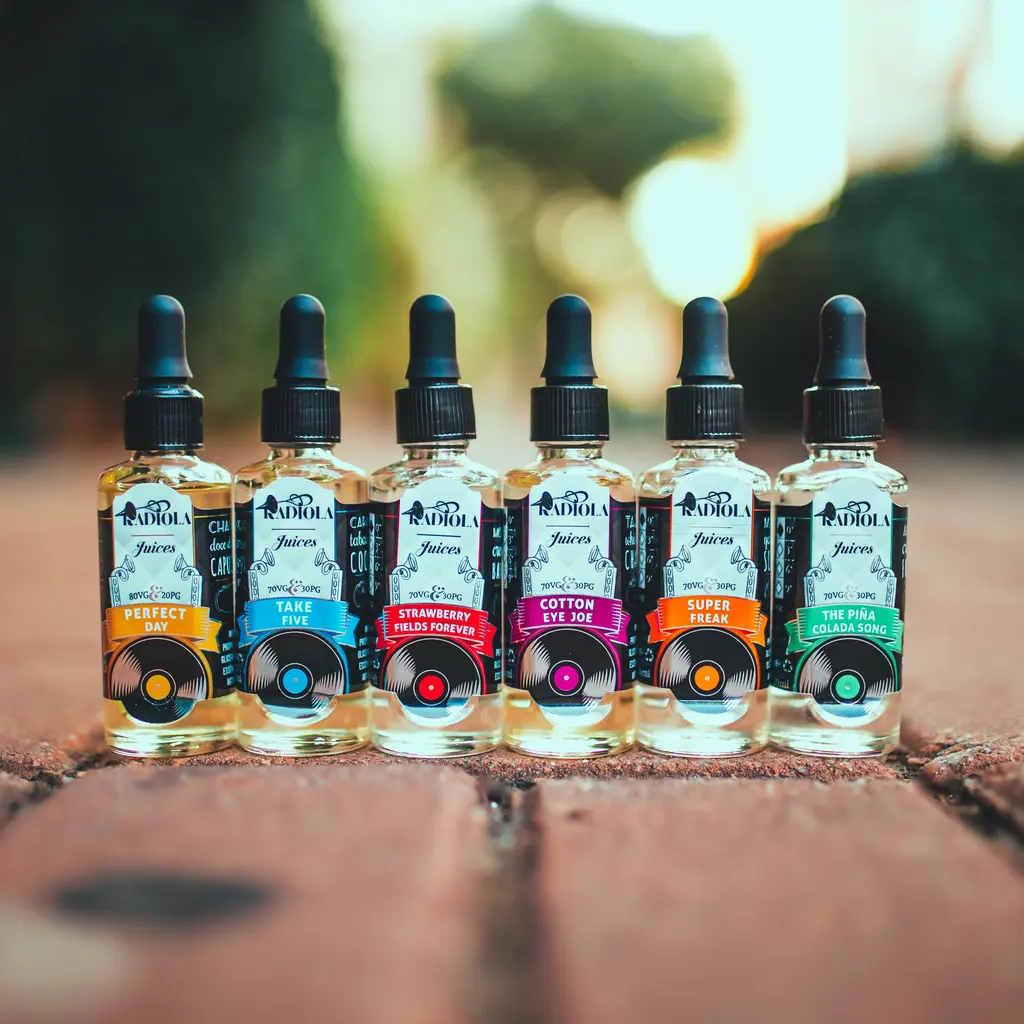
You blend ingredients like nicotine and flavorings, working with substances that are acutely toxic and face strict regulatory oversight. A blending error, labeling mistake, or contamination could lead to product liability claims or recalls that threaten your ability to operate.
The Southern Agency can review your ingredients, blending, packaging and distribution duties with you. We can help identify the product, nicotine, health and pollution restrictions to check before relying on a policy, and distinguish an eligible injury or spill claim from withdrawal expenses or lost market permission.
E-liquids are inhaled by the public, so allegations of contamination, mislabeled nicotine strength, or health effects can lead to bodily-injury product claims.
Nicotine concentrate is acutely toxic by skin contact and ingestion, creating worker safety and accidental-poisoning exposures during blending.
Contamination, safety concerns, and regulatory withdrawal can create costs. An insured safety or defect trigger differs from a ban, correction, rejected stock or lost market access.
Fire and explosion behavior depends on the ingredients, mixture, quantities, and process conditions. Glycols and flavorings need material-specific review rather than a common flammability assumption.
Errors in nicotine disclosure, warnings, or child-resistant packaging can trigger regulatory penalties and third-party claims.
Bulk raw materials, finished bottles, and automated filling and mixing lines represent concentrated values vulnerable to fire, breakdown, and spoilage.
Policies to ask about. Which ones fit depends on your operations, your contracts, and the carrier’s forms.
These hypothetical examples are not agency claim results. Whether a loss is covered depends on the facts, policy terms, and applicable exclusions.
A retailer alleges a batch was bottled at a higher nicotine concentration than its label stated, prompting injury claims. Product liability may respond, depending on the policy and facts. Check express inclusion of the e-liquid, ingredients, and labeling duties and resulting injury alongside tobacco, nicotine, health, own-stock, withdrawal, and contract exclusions.
A drum of alcohol-based flavoring ignites near the blending area, damaging equipment and inventory. Property and purchased business income may help with repairs and lost revenue, subject to the policy. Review the actual mixture and fire cause, equipment, and stock owners, valuation and income terms. Contaminated batches and regulatory interruption need separate review.
Concentrated nicotine spills during transfer and reaches a floor drain. Environmental coverage may respond to cleanup and third-party claims, depending on endorsements and exclusions. Check the nicotine, site, and drain release included, prior conditions, cleanup, notice, and consent. Routine disposal, penalties, and withdrawn stock are not automatically part of that response.
Start with the work you do and the questions your current policies leave unanswered. Carrier options depend on your location, risk, and underwriting. Explore our approach.
Because e-liquids are inhaled, claims can allege injury from contamination or mislabeled nicotine. Any response depends first on explicit acceptance of the actual product, ingredients, use, and duties and the policy's exclusions and terms; ordinary product liability does not prove an e-liquid market.
Describe nicotine source and concentration, inhalation use, other ingredients, and your duties. Concentrated nicotine has toxic exposure routes; nicotine-free does not mean safe, outside all regulation, or accepted by a policy. Review the product and pathway with qualified advisers and check express insured-product and pollution terms.
Do not assume recall or ordinary product liability accepts e-liquid. Seek actual product and use acceptance and a separate safety or defect withdrawal trigger. Review expenses, notice, consent, limits, and regulatory exclusions. Contamination, a banned ingredient, corrective action or lost market access alone proves neither payment nor available terms.
Review ingredient and mixture safety data sheets, quantities, and storage or processing. Glycols, flavorings, and cleaning materials need not share the same flammability. Compare operations accepted, covered causes, property interests, valuation, and purchased income. Controls guarantee neither an available market nor every fire payment.
Spilled nicotine concentrate or solvents can require cleanup and trigger claims, so environmental liability may help even for blending-only operations, depending on policy terms.
Workers' compensation commonly responds to employee injuries from handling toxic or flammable ingredients. Requirements vary by state and coverage depends on the specific policy.
Bring your questions, current policies, and relevant contracts. An agent can review coverage terms, exclusions, and the information carriers ask for, then explain the options available to you.