

High-value leaf inventory accumulation
Loose and baled leaf can concentrate value during receiving and storage peaks. The amount at risk and the plant’s responsibility depend on location, ownership, and the stock valuation agreed.
Try a different word, or check the spelling.
Your incoming leaf's condition matters when moisture or temperature later becomes a dispute. Stock and processing terms should identify ownership and when damage developed, rather than treat a lower grade or rejected bale as a covered fire loss.
The Southern Agency can help you structure insurance for your seasonal tobacco processing, balancing equipment breakdown with peak storage values.
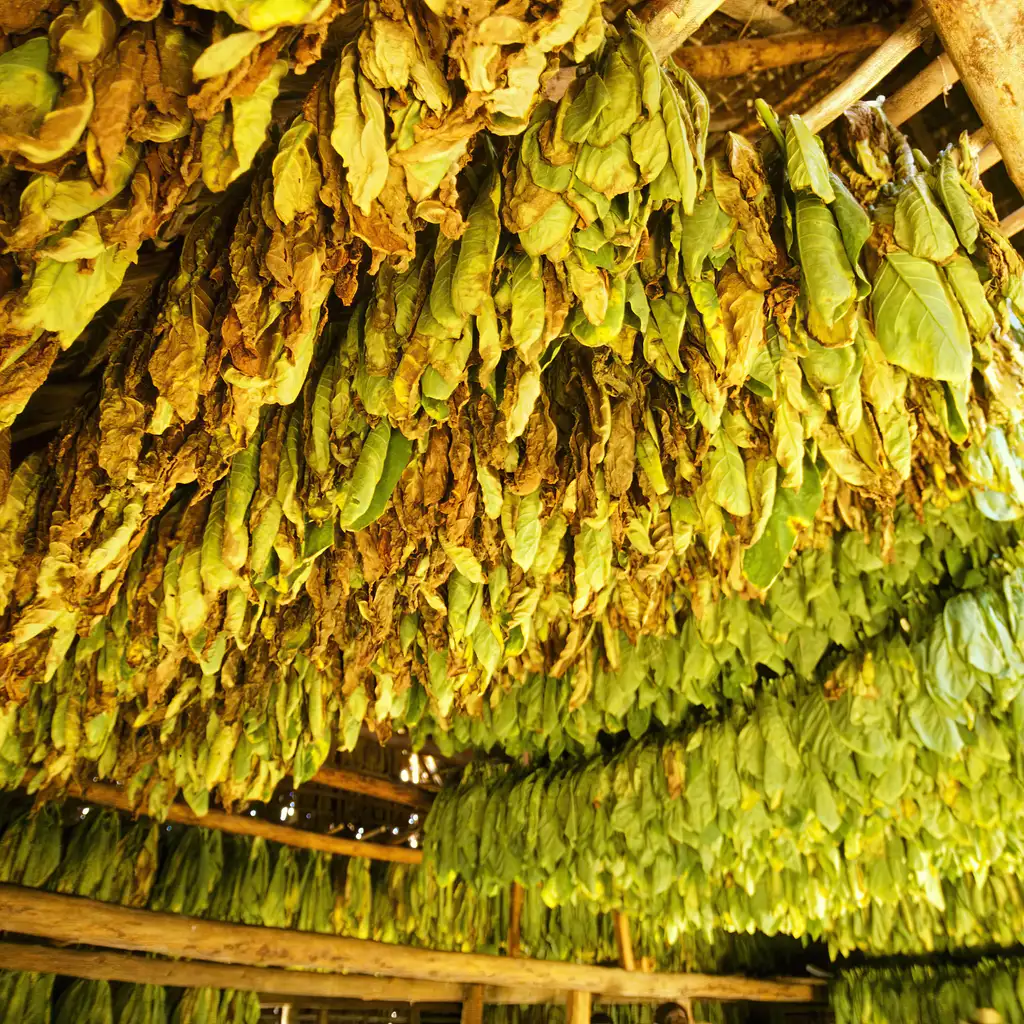
You receive raw leaf from growers and process it through threshing and redrying for manufacturers. Your work is highly dependent on climate and timing, and contamination of leaf lots can lead to significant financial demands.
The Southern Agency can help you review your processing and seasonal storage to select the right insurance. We can help you differentiate between an insured loss for a fire in your threshing facility and the different coverage needed for a downstream buyer's rejection of a leaf shipment.
Loose and baled leaf can concentrate value during receiving and storage peaks. The amount at risk and the plant’s responsibility depend on location, ownership, and the stock valuation agreed.
Leaf and dust generated by threshing and handling create fire concerns. Dust-explosion assessment depends on the material, particle form, accumulation, and ignition conditions; obtain qualified process-safety advice.
Moisture or temperature problems during redrying and storage can deteriorate leaf. Establish incoming condition, the cause, and when damage developed; a lower grade or rejected lot alone does not establish insured stock loss.
A thresher, redrying oven, conveyor or pneumatic-system failure can stop dependent stages during the processing season. Repair, affected leaf, alternative processing, and lost income need separate coverage terms.
Foreign material or deficient leaf quality can lead to rejection, testing, replacement or buyer financial demands. Injury or damage to other property presents a different liability question.
Threshing, conveying, baling and material handling expose full-time and seasonal crews to caught-in, lifting, and dust-related injury or illness. Safety duties and qualifying insurance benefits require their own review.
Policies to ask about. Which ones fit depends on your operations, your contracts, and the carrier’s forms.
These hypothetical examples are not agency claim results. Whether a loss is covered depends on the facts, policy terms, and applicable exclusions.
Suppose a peak-season warehouse fire destroys baled leaf and damages the building. Commercial property may help repair the insured building and pay for eligible stock loss at the policy’s valuation. Customer leaf needs the included property interest or custody terms; an average inventory value may be inadequate for the amount held at the time.
Suppose an internal redrying-oven control failure requires repair and stops processing during the season. Equipment breakdown may help with eligible repairs, and a purchased income extension may help during the insured interruption. Waiting leaf that deteriorates needs its own stock or spoilage terms; the repair claim does not establish payment for every damaged lot or grower commitment.
Suppose a manufacturer rejects processed bales for alleged foreign material and seeks testing and replacement costs. Rejection alone does not establish injury or damage to other property under product liability. If offered for leaf processing, manufacturers E&O may help defend a covered customer financial-injury claim. Check its own-product, correction and guarantee exclusions before relying on it for replacement leaf or refunds.
Start with the work you do and the questions your current policies leave unanswered. Carrier options depend on your location, risk, and underwriting. Explore our approach.
Use maximum loose and baled leaf values by owner and location, including leaf being processed and stored for customers. Agree the valuation and follow the proposed policy’s reporting conditions. If a seasonal or reporting arrangement is offered, review how it changes the insured values; an average stock figure may miss the peak.
Leaf and process dust need a qualified material- and process-specific fire or explosion assessment. Describe dust collection, accumulation, ignition sources, and fire protection. Use the assessment to discuss covered fire and explosion causes and any protection conditions with the insurer. Safety controls alone do not guarantee a quote or a covered loss.
Identify the leaf owner, receipt condition, work performed, maximum value, and responsibility through processing, storage, and transit. Compare direct entrusted-property protection with bailee legal liability and processing restrictions. Customer leaf is not automatically company stock, and general liability’s custody restrictions need review.
Equipment breakdown may help repair eligible machinery after a covered internal event. Check purchased leaf-damage or spoilage, income, and extra-expense terms, including waiting and restoration periods. Ordinary moisture deterioration, a missed buyer commitment, grower delay or failed harvest does not itself establish an insured plant breakdown.
A processed-leaf shipment can lead to injury or damage allegations. Ask your agent whether terms are available for the leaf-processing activities and downstream uses, and how product and injury exclusions apply. Foreign-material rejection and replacing bales differ from damage to someone else’s property. Any offered manufacturer financial-loss cover needs a separate review of the claim and its exclusions.
Identify employers, work states, and actual threshing, redrying, baling, storage, and driving duties, including labor-provider arrangements. Seasonal and permanent employees may qualify for benefits under the relevant law and policy. A seasonal label or a contractor invoice does not decide employment status or every benefit.
Bring your questions, current policies, and relevant contracts. An agent can review coverage terms, exclusions, and the information carriers ask for, then explain the options available to you.