

Patient harm from drug defects
Contamination, impurities or incorrect strength in ingested or injected products can lead to serious injury allegations.
Try a different word, or check the spelling.
Your utility system can be repaired while a drug lot still needs retesting or a process needs revalidation. Equipment, stock and liability protection must distinguish those recovery steps from patient injury and the cost of withdrawing product.
The Southern Agency can help you align your pharmaceutical manufacturing risks with the insurance coverage you need.
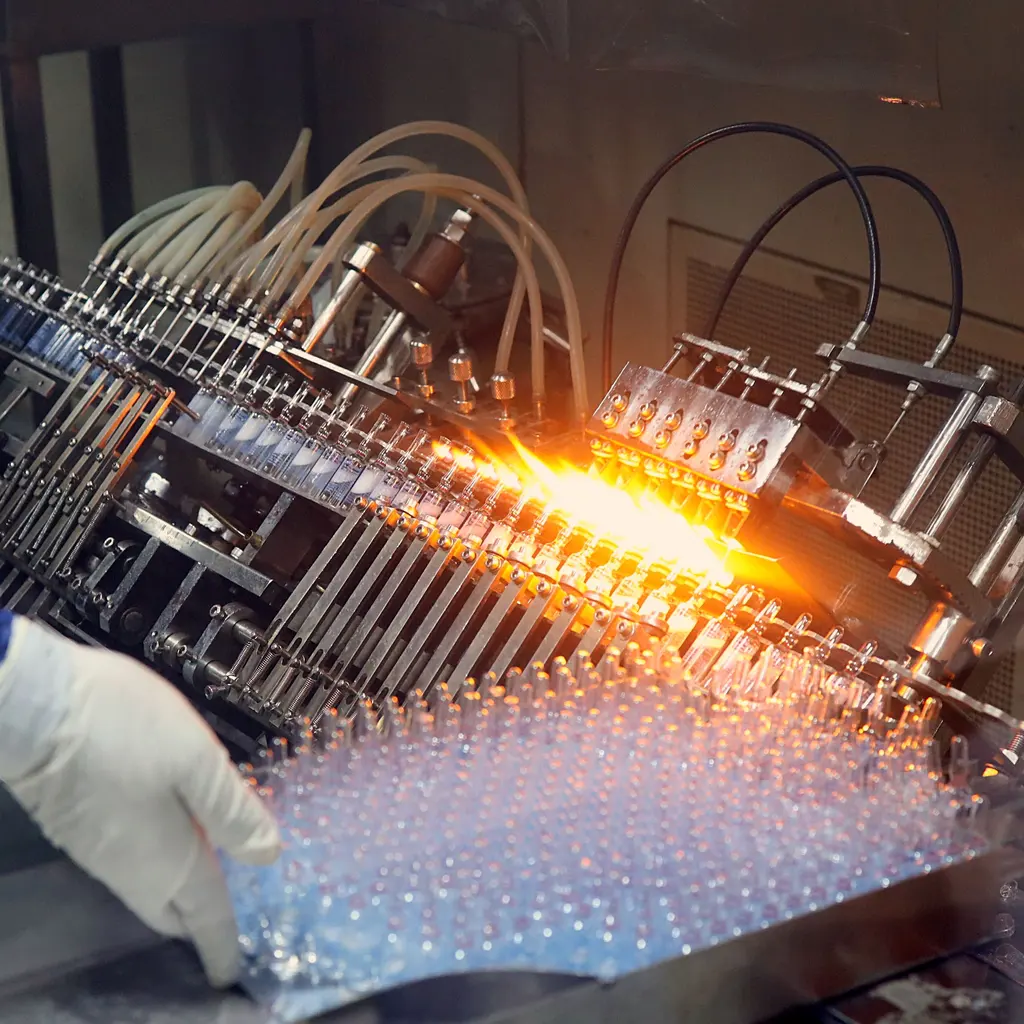
You manufacture drugs through the synthesis, formulation, filling or other stages your facility performs. A quality deviation or potential contamination can stop a batch, while incorrect strength or impurities can put patients at risk; a held lot and an injury claim are different losses.
The Southern Agency can review your facility controls and batch-release processes to help you select appropriate insurance. We can assist you in separating the liabilities of patient injury from your internal costs for lot withdrawal, retesting, and equipment maintenance.
Contamination, impurities or incorrect strength in ingested or injected products can lead to serious injury allegations.
A quality deviation or regulatory action can stop distribution or lead to withdrawal without proving patient injury. Retesting, revalidation, and correcting the lot create separate costs.
Cleanrooms where used, controlled environments and utility dependencies can interrupt validated processes or put a lot on hold.
Identify the ingredients and drugs that depend on temperature or humidity control and the refrigeration or HVAC failure that could affect them.
Patient and clinical records, if held, create privacy duties; proprietary formulas and production controls create different security and interruption exposures.
Solvents, active ingredients and waste routes can create chemical, fire, and pollution hazards. Describe the substances and synthesis or formulation tasks performed.
Policies to ask about. Which ones fit depends on your operations, your contracts, and the carrier’s forms.
These hypothetical examples are not agency claim results. Whether a loss is covered depends on the facts, policy terms, and applicable exclusions.
An injectable lot is alleged to be contaminated, prompting patient claims and a recall. Review the drug injury allegations under the products insured, then any separately offered withdrawal or contamination terms for the trigger, expenses and consent. Product liability does not itself fund the recalled lot, retesting, revalidation, or refunds.
A utility failure breaches cleanroom control and spoils a production lot. Identify the utility event, covered equipment and any purchased service-interruption, stock and income terms. Check whether the lot and loss of environmental control fit those terms; a quality hold or revalidation requirement alone does not establish insured damage or income.
A breach exposes patient and clinical records, triggering notification and forensic costs. Review the records and responsibilities involved and the cyber response, liability, reporting, and consent terms.
Start with the work you do and the questions your current policies leave unanswered. Carrier options depend on your location, risk, and underwriting. Explore our approach.
Bring the ingredients, dosage forms and manufacturing duties to be insured. Contamination or incorrect strength can cause patient injury, but a failed quality test alone does not establish that injury or pay for your own lot, refunds, revalidation, or withdrawal.
Ask whether the terms offered expressly include your drugs, the triggering event, and the expenses sought. Check notice, consent, and limits separately from patient injury liability. A quality hold or regulatory action does not itself fund recall, replacement, retesting, or penalties.
Map refrigeration, HVAC, cleanroom, and outside-utility dependencies. Check a covered internal event and the stock, utility, and income extensions purchased, including waiting and restoration periods. Temperature excursion, a quality hold, or required revalidation alone does not establish payment.
Describe the personal or clinical records you actually hold and your role, along with formulas and production systems. Review breach, security and interruption terms for those interests. Not every drug factory holds patient records, and cyber insurance does not establish protection for all drug-quality losses, intellectual property, or privacy duties.
List the solvents and active ingredients used and the handling, storage, and waste routes. Review covered pollution conditions, cleanup, third-party claims and reporting. Routine disposal, process correction, and fines should not be treated as insured releases.
Workers' compensation commonly responds to chemical-exposure and process injuries. Requirements vary by state and coverage depends on the specific policy and classifications.
Bring your questions, current policies, and relevant contracts. An agent can review coverage terms, exclusions, and the information carriers ask for, then explain the options available to you.