

Ammonia release and toxic exposure
Pressurized anhydrous ammonia can leak and create toxic exposure for workers and surrounding communities if controls fail.
Try a different word, or check the spelling.
Growers use your formulation on a living crop; a damage allegation is different from a claim that it missed a promised yield. Product and pollution terms should fit the nutrients and chemicals you actually handle.
The Southern Agency can help you coordinate coverage for the demanding chemical, process, and environmental exposures of your fertilizer plant.
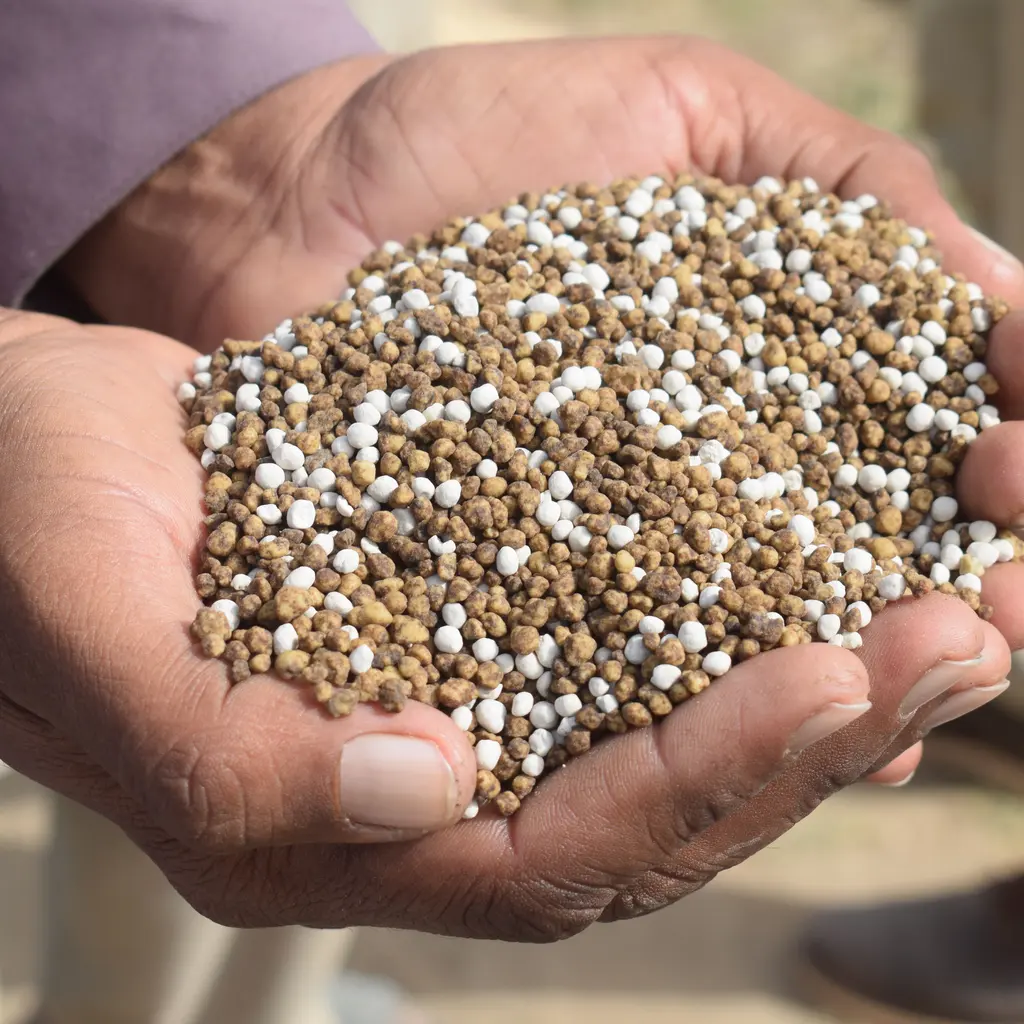
You manufacture or blend fertilizers for crops, using the nutrients and processing equipment suited to your products. An ammonia-based production plant has different release hazards from a dry-blending operation. Storage, runoff, machinery failure and allegations of crop damage still need to be considered together.
The Southern Agency can review the formulations, storage and production steps you actually use. We can compare property and breakdown protection with chemical-release liability, and separate a grower's claim for damaged crops from promises about yield or replacing rejected fertilizer.
Pressurized anhydrous ammonia can leak and create toxic exposure for workers and surrounding communities if controls fail.
Review the ammonium-nitrate product or blend and conditions with qualified specialists. Nitrate and fertilizer formulations do not all have the same oxidizing or blast hazards.
Acids, nutrients, and process water can contaminate soil and waterways, driving cleanup obligations and third-party pollution claims.
Off-spec or contaminated fertilizer applied by growers can damage crops and lead to product liability claims.
Failure of reactors, dryers or granulators can stop output or cause a release. Corrosion and wear need separate review from the policy's covered internal-failure and ensuing-loss terms.
Employees face respiratory, burn, and toxic-release hazards from acids, ammonia, and fertilizer dust during processing and handling.
Policies to ask about. Which ones fit depends on your operations, your contracts, and the carrier’s forms.
These hypothetical examples are not agency claim results. Whether a loss is covered depends on the facts, policy terms, and applicable exclusions.
An anhydrous ammonia release drifts beyond the plant and prompts community exposure claims. An environmental policy may respond to defense and cleanup, depending on its terms and the facts. Check ammonia, site and release included, cleanup and third-party provisions, prior conditions, notice and consent. Orders, routine emissions and fines require separate review.
A grower alleges a contaminated batch damaged a season's crop. Product liability may respond subject to the policy, endorsements and exclusions. Check the fertilizer, crop, use and cause included and crop damage separately from own stock, application or advice, pollution and contract or yield guarantees. A season's loss or recall demand alone does not prove every amount is insured.
A corroded high-pressure reactor fails and halts production for repair. Review the actual cause, corrosion, wear, maintenance, and ensuing-loss terms before treating this as covered breakdown. Repair, affected stock and any purchased income cover have separate limits and waiting/restoration provisions; a stopped reactor does not establish replacement or all lost-season costs.
Start with the work you do and the questions your current policies leave unanswered. Carrier options depend on your location, risk, and underwriting. Explore our approach.
Ammonia, acids, and nutrient runoff can contaminate air, soil, and water, driving cleanup and third-party claims. Environmental liability may help, depending on operations and policy terms.
If off-spec or contaminated fertilizer harms a grower's crop, product liability may respond. Coverage depends on the policy, endorsements, exclusions, and the facts of the claim.
Review the product or blend, quantities, storage, and process with qualified specialists; nitrate fertilizers and plants do not all have identical hazards. Compare operations expressly included, covered causes, exclusions and property, product and pollution terms. Controls do not guarantee a quote, favorable terms or every blast loss.
Assess ammonia, ammonium nitrate or other formulations, site and potential third-party loss with qualified advisers. Compare proposed limits and aggregates, duties accepted by underlying and excess policies, attachment, and exclusions. Severity and controls alone do not prove capacity or automatically add pollution, recall, or guaranteed crop-yield benefits.
Identify the event and cause. Compare corrosion, wear, maintenance, pressure, process, and ensuing-loss terms, repair and purchased income or extra expense, waiting periods and restoration. A corroded reactor, routine replacement or stopped batch alone does not create covered breakdown or every production-loss benefit.
Workers' compensation commonly responds to chemical, burn, and respiratory injuries. Requirements vary by state and coverage depends on the specific policy and classifications.
Bring your questions, current policies, and relevant contracts. An agent can review coverage terms, exclusions, and the information carriers ask for, then explain the options available to you.