

High-pressure cylinder and vessel rupture
Compressed and cryogenic vessels can rupture under pressure or thermal stress, causing severe injury and property damage during filling or storage.
Try a different word, or check the spelling.
Your oxygen, inert gas, and flammable-gas deliveries do not present the same handling questions. Fleet and product protection should fit the actual loads and connection duties, with gas, cylinder, and release-response costs considered separately.
The Southern Agency can help you coordinate specialized protection for high-pressure storage, fleet transit, and hazardous gas handling.
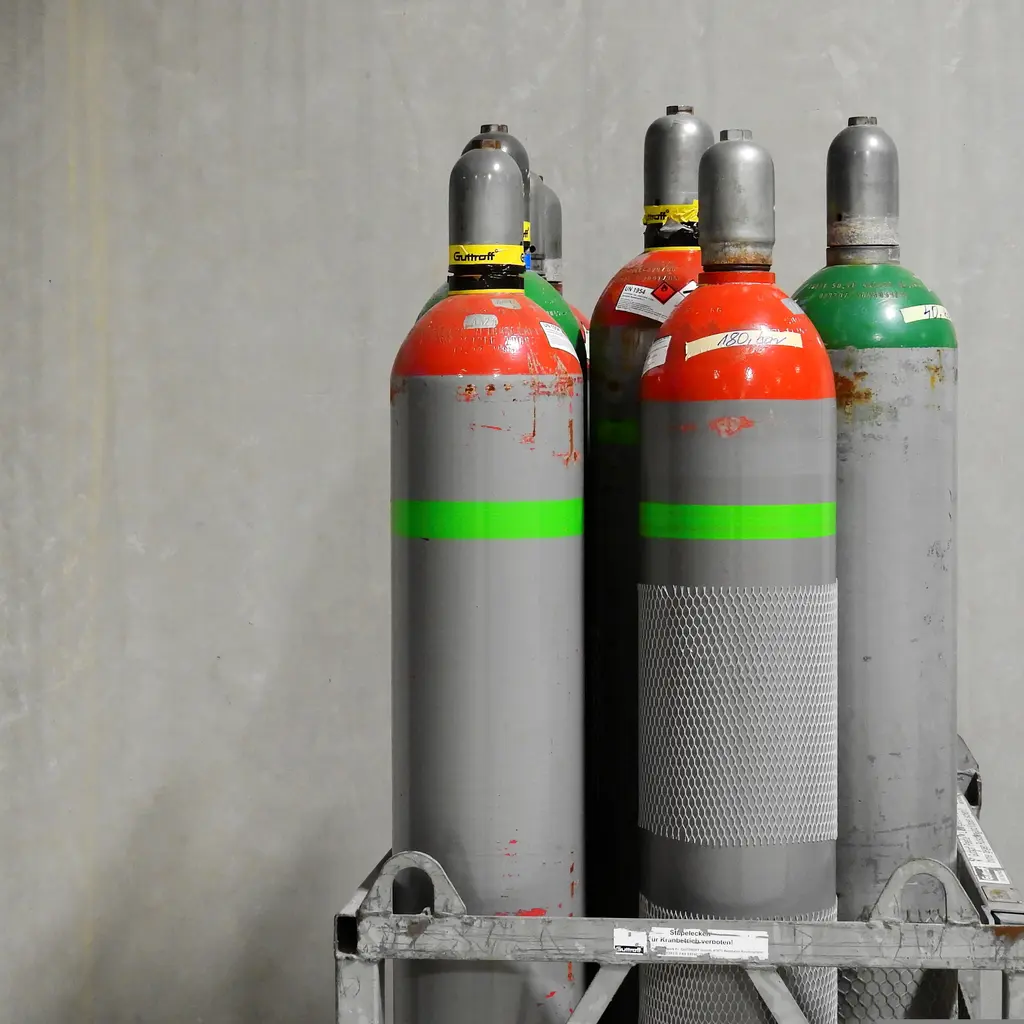
Your business fills and distributes high-pressure cylinders and cryogenic vessels containing hazardous or specialty gases. A pressurized rupture or gas contamination can cause severe harm to your staff, customers, or their property.
The Southern Agency can review your filling, storage, and delivery operations to help you select appropriate insurance. For example, we can discuss how your auto fleet coverage complements your product liability for cylinder labeling and gas purity.
Compressed and cryogenic vessels can rupture under pressure or thermal stress, causing severe injury and property damage during filling or storage.
Describe the actual gas load: flammable, oxidizing, inert and cryogenic cargos create different collision, release, and loss interests. Not every gas carried is flammable.
A mislabeled or contaminated cylinder, especially medical gas, can cause serious downstream harm and product liability claims.
Distinguish hydrogen/acetylene flammability from oxygen-service enrichment and material-compatibility fire hazards during actual filling and storage.
Inert gases displace oxygen in confined spaces and cryogenic liquids cause severe cold burns, threatening worker safety.
Large cryogenic and pressure tanks concentrate value and hazard, and a failure can cause major property loss and release.
Policies to ask about. Which ones fit depends on your operations, your contracts, and the carrier’s forms.
These hypothetical examples are not agency claim results. Whether a loss is covered depends on the facts, policy terms, and applicable exclusions.
A high-pressure cylinder ruptures while being filled, injuring a worker and damaging equipment. Workers' compensation may help with qualifying medical and wage benefits, and property may help repair insured equipment, subject to terms and facts. Check equipment and contents by owner and covered pressure or release cause; these are separate interests, not one all-loss grant.
A delivery truck carrying compressed gas is involved in a highway collision. Business auto may help with covered road liability and separately included truck physical damage, subject to the policy. Check gas and cylinder owners and any purchased cargo or transport-release terms separately. The collision does not prove cargo damage or a release, and auto liability is not cargo or all-pollution protection.
A healthcare customer alleges a mislabeled medical-gas cylinder caused harm. Product liability may help defend the alleged patient-injury claim and pay covered damages, subject to endorsements, exclusions, and facts. Check medical products and activities expressly included separately from gas replacement, correction, recall, and regulatory obligations.
Start with the work you do and the questions your current policies leave unanswered. Carrier options depend on your location, risk, and underwriting. Explore our approach.
Describe gas loads, vehicles, drivers, routes, delivery, and connection duties. Compare auto liability and vehicle physical damage included separately from gas and cylinder cargo, property by owner, and transport-release terms. A hazardous-load label does not prove all benefits or one required limit.
Identify medical gases and manufacture, filling, packaging, labeling, and distribution responsibilities for qualified regulatory review and express product acceptance. A purity or label mix-up may injure a patient, but insurance is not medical authorization or automatic cover for every medical claim, off-spec lot, or recall.
Identify cylinder and vessel owners, contents, maintenance, and filling duties, cause, and whose injury or property is involved. Compare property, breakdown, employee, and third-party liability terms separately, including pressure and release exclusions. Inspection records do not guarantee coverage.
Map the compressor, air-separation or cryogenic bottleneck, covered internal failure, purchased stock, and income terms and restart time. Maintenance, off-spec gas, lost pressure, and releases are not all insured breakdown events.
Disclose actual inert-gas oxygen-displacement, confined-space, and delivery duties and applicable employee classifications. Compare state benefit rules and qualifying injury facts; neither all gases nor every gas incident produces the same exposure or guaranteed benefit.
List tank and vessel owners, values, gases, service, locations, and pressure or cryogenic equipment. Compare property and breakdown causes expressly included and release terms. A bulk-storage label or controls alone do not prove insurability, payment for every rupture or off-site cover.
Bring your questions, current policies, and relevant contracts. An agent can review coverage terms, exclusions, and the information carriers ask for, then explain the options available to you.