Skip to content

Pesticide And Agrochemical Manufacturer Insurance

Your formulation leaves the factory for field use, where drift and runoff raise different questions from a plant spill. Product and environmental protection need the actual ingredients and applications, not an assumption that registration insures field losses.

The Southern Agency can help you align your agrochemical manufacturing risks with the insurance coverage you need.

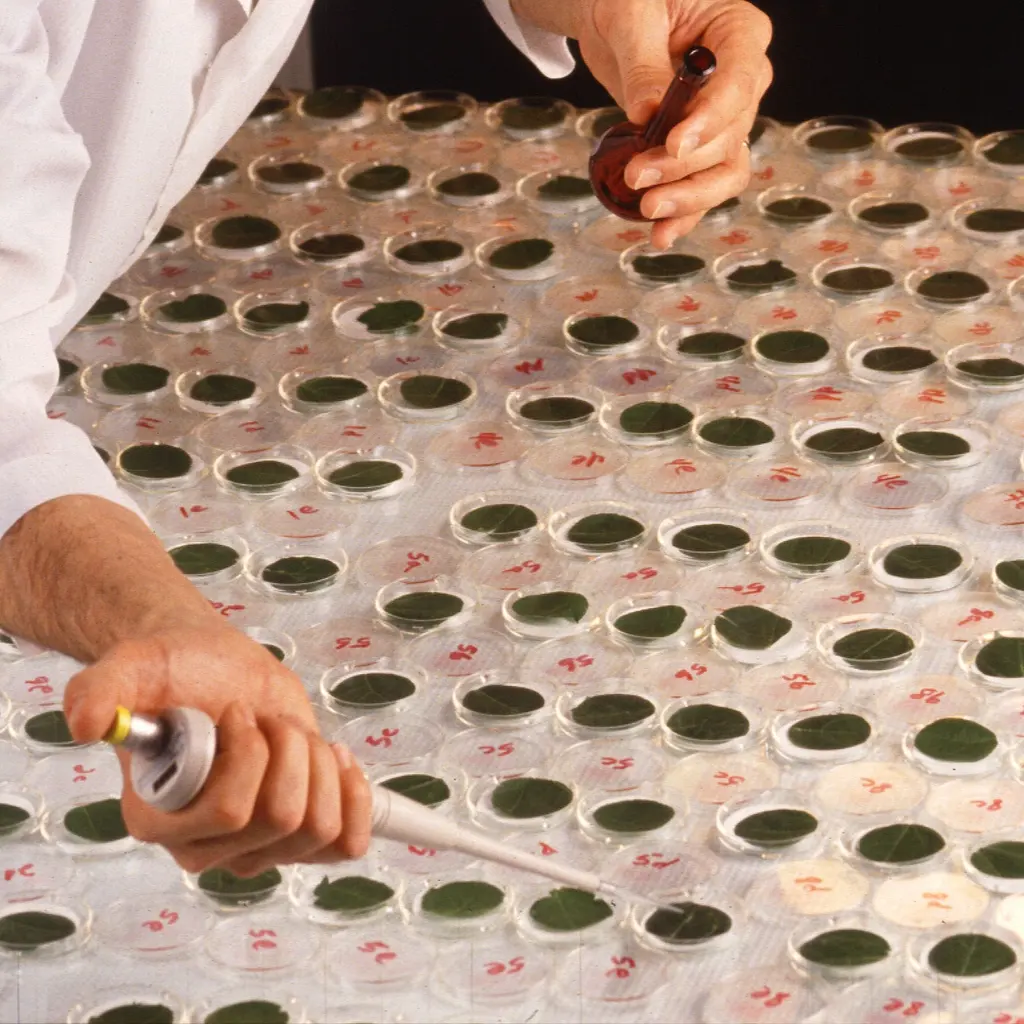
A pipette applying liquid to leaf samples arranged in a laboratory tray.

Industry overview

You formulate crop-protection products that are handled by growers and applicators. Because these chemicals are applied to the environment, drift, runoff, or label errors can cause significant off-site damage and safety allegations.

The Southern Agency can help you assess your formulation and label responsibilities to select appropriate insurance. We can help you distinguish between product liability for chemical exposure and the specialized protection needed for environmental cleanup and site-specific pollution.

Risks worth discussing

Toxic exposure bodily-injury claims

Applicators, farmworkers or bystanders may allege health effects after exposure to a supplied product. Identify the ingredient, use and allegation rather than treating every formulation as equally toxic or a delayed complaint as proof of causation.

Pesticide drift and runoff pollution

Applied products can drift or run off into soil, water, and non-target crops, creating substantial pollution and third-party exposure.

Crop damage and off-target harm

Off-spec formulation or misapplication tied to labeling can damage growers' crops or neighboring fields, prompting product claims.

Solvent and reactive chemistry fire

Where used, flammable solvents or reactive ingredients create ignition and release hazards during mixing, milling and filling. Identify chemistry and quantities rather than apply one fire profile to every liquid or dry product.

Labeling and regulatory violations

Have qualified advisers establish the formulation, packaging, product-label, and worker obligations. Registration or labeling status does not itself establish safe use, insurance coverage, or payment of penalties.

Worker chemical exposure

Assess the active ingredients, solvents and dust and mixing or packaging duties with qualified advisers. Exposure, protection and any qualifying injury or illness depend on the material and work performed.

Situations to think through

These hypothetical examples are not agency claim results. Whether a loss is covered depends on the facts, policy terms, and applicable exclusions.

  1. Hypothetical: Hypothetical: Spray drift damages neighboring crops

    A grower alleges drift from a supplied herbicide damaged an adjacent field. Identify the formulation or label allegation, applicator’s work and off-target crop harm. Compare product and off-site pollution terms for that use rather than assume both policies cover the same event; own chemical, reapplication and yield promises are separate.

  2. Hypothetical: Hypothetical: Applicator health claim

    An applicator alleges chronic health effects from a formulated product. Bring the alleged exposure and injury timeline, ingredients, uses, and historical policies for review. Compare occurrence or claims-made timing and exclusions as applicable; a delayed allegation does not establish causation or cover under the current policy.

  3. Hypothetical: Hypothetical: Formulation-area solvent fire

    Flammable solvents ignite during mixing, damaging equipment and toxic inventory. Property and business income coverage may help, depending on the specific policy and exclusions. Check the covered fire, insured equipment and stock, hazardous materials and income terms purchased; regulatory holds, deficient batches, and lost grower seasons require separate analysis.

Before you talk to an agent

What to have ready

Tick items as you gather them. Nothing here is saved or sent.

Questions to raise

  • Declare ingredients, formulations, labels, and application or advice duties.
  • Compare factory releases with off-site drift or runoff scope.
  • Separate crop injury from reapplication, recall, and yield promises.
  • Review delayed allegations against historical and proposed policy timing.
  • Compare offered excess scope and covered-damage income terms without assuming capacity.

Contract terms to check

  • Separate formulation or label fault from applicator selection, rate, weather, and application practices. Review crop injury or other harm separately from deficient product, reapplication, refunds, recall, and a guaranteed yield or pest-control result.
  • Compare product and pollution terms for the ingredient, use, drift or runoff allegation and site. A premises pollution form, a registered product or a customer indemnity should not be assumed to cover every application away from the factory.
  • Review the allegation timeline against occurrence or claims-made terms as applicable, including any prior acts, reporting, aggregation, and excess attachment. A claim discovered now does not establish which current or historical policy responds.

What the agent conversation looks like

Start with the work you do and the questions your current policies leave unanswered. Carrier options depend on your location, risk, and underwriting. Explore our approach.

  1. ListenReview your operations, current coverage, and past claims.
  2. AssessIdentify potential hazards and discuss ways to reduce risk.
  3. BuildDiscuss policy and carrier options, premium costs, and audits.
  4. SupportReview changes and help you plan ahead as your needs develop.

Questions owners ask

Why is pollution coverage essential for agrochemicals?

Describe the factory release or supplied-product drift or runoff allegation and affected crop, land, water, or people. Review whether the proposed pollution terms include the product, application, and off-site event. Cleanup, third-party injury or damage, routine controls, and fines require different review; premises cover alone does not establish field protection.

What is long-tail exposure for my products?

An exposure-related allegation may arrive years after product use. Bring the alleged exposure and injury dates and historical policies. An occurrence form and a claims-made form use different timing conditions: check when injury must occur or a claim must first be made and reported, and any prior-acts restrictions. Compare excess periods as well. Discovery this year does not establish current coverage.

Does product liability cover crop damage?

Trace crop damage and the formulation, label, application, and weather facts. Review the products and uses included and any pollution, professional-services or contract restrictions. Replacing chemical, reapplication, refunds, and recall are separate costs; a promise of yield or pest control is also a contract issue.

Should I carry excess liability limits?

Bring ingredients, product uses, exposure history, crop, and off-site loss scenarios and customer requests to qualified advisers. Compare offered primary and excess limits, aggregates, policy periods, attachment, and exclusions together, including product and pollution scope. A buyer’s requested limit is a contract request, not proof that capacity or all requested coverage is available.

How does fire risk factor into coverage?

Bring carrier chemistry, quantities, mixing, and filling operations and fire controls into the property review. Value equipment and stock and check the covered-loss trigger and restoration terms of any income extension. Regulatory holds, rejected formulations, and unsold stock differ from covered fire damage.

Are my formulation workers covered if exposed?

Describe the chemical and dust duties and where employees work. Applicable state rules, qualifying injury, or occupational-illness facts and policy terms determine benefits. An exposure allegation, delayed symptom or job title alone does not establish every claim paid.

Talk through your pesticide and agrochemical manufacturer coverage

Bring your questions, current policies, and relevant contracts. An agent can review coverage terms, exclusions, and the information carriers ask for, then explain the options available to you.

How can we help you get started?

Choose the quote that fits, and we’ll take it from there.

Have a question? Contact us