

Melting furnace failure
The continuously running furnace is the plant's critical asset, and a freeze-up or structural failure can shut production for months.
Try a different word, or check the spelling.
Your container's pressure, temperature and food or pharmaceutical use matter beyond its appearance. Product protection should fit those uses, with furnace repairs, refractory wear and power-interruption costs addressed separately.
The Southern Agency can help you review furnace and forming equipment alongside the containers you supply.
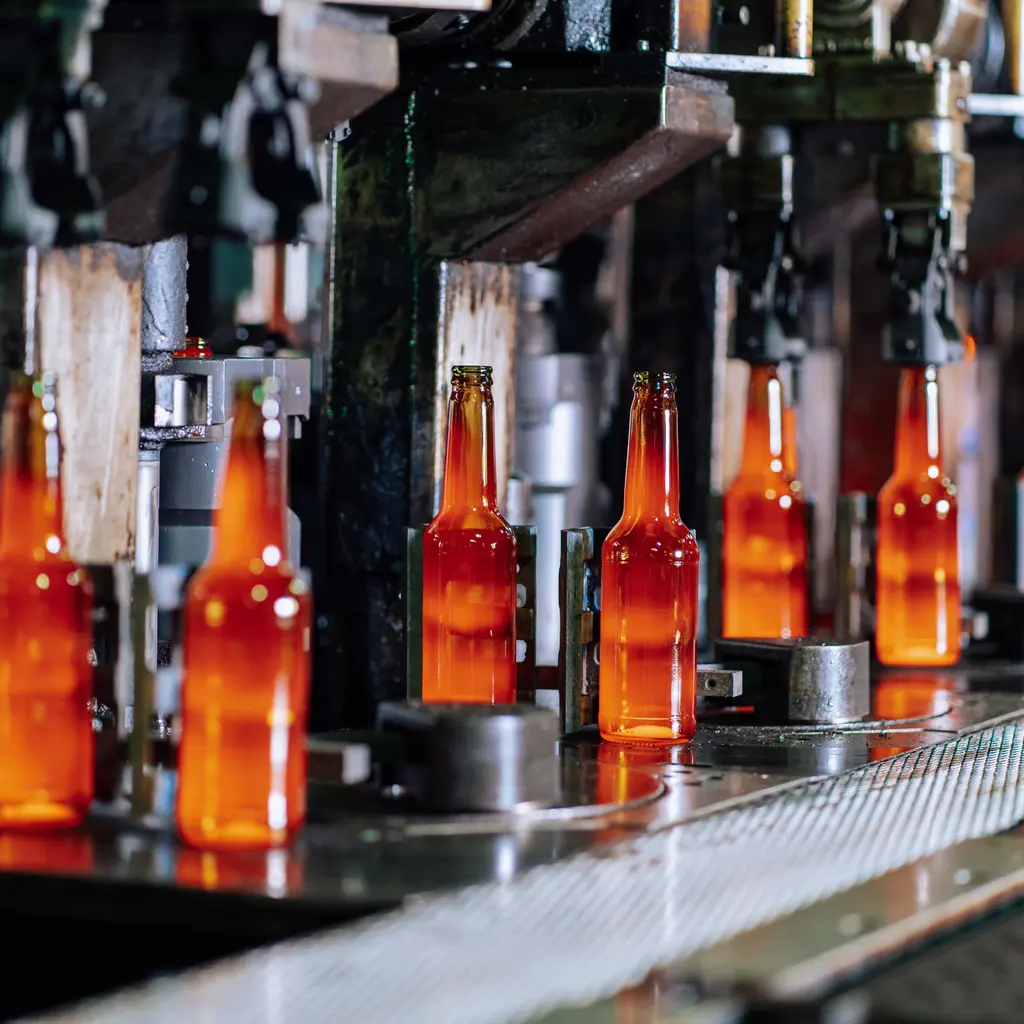
You operate a glass factory where furnaces melt raw materials into containers for food, beverage, or pharmaceutical use. Your facility relies on continuous furnace operation and high-speed annealing lines.
The Southern Agency can review your furnace, forming equipment and actual container uses with you. We can compare internal failure and outside-power terms with physical plant protection, and separate container injury or contents damage from withdrawal and replacement costs.
The continuously running furnace is the plant's critical asset, and a freeze-up or structural failure can shut production for months.
Workers near furnaces and forming machines face serious burn exposure from molten glass and high temperatures.
A defective bottle that shatters or fails under pressure can injure handlers or consumers and lead to product claims.
Glass fragments or defects in food, beverage, or pharmaceutical containers can trigger recalls and injury claims.
Broken glass and high-speed forming lines expose workers to lacerations and crush injuries on the floor.
Forming machines, lehrs, and compressors are essential, and a sudden failure can halt high-speed production.
Policies to ask about. Which ones fit depends on your operations, your contracts, and the carrier’s forms.
These hypothetical examples are not agency claim results. Whether a loss is covered depends on the facts, policy terms, and applicable exclusions.
A power interruption causes glass in the melting furnace to begin solidifying, threatening a costly rebuild. Identify the actual covered cause, internal equipment versus power-service scope, and applicable furnace, refractory, and molten-material terms. A frozen furnace alone does not establish repair, rebuild, stock, or purchased income benefits.
A glass fragment is found in a filled beverage and a recall follows. Identify any actual injury or contents damage, the bottle, and use included and own-product or impaired-property restrictions. Review withdrawal or contamination triggers, eligible bottles, filled goods and removal expenses, consent and notice separately from ordinary product liability.
An employee suffers a burn near the forming line. Workers' compensation may respond to medical and wage costs, depending on policy terms and jurisdiction. Check worker status, jurisdiction, the burn event and qualifying occupational-injury benefits and reporting. Employee benefits, third-party liability and plant property require different terms.
Start with the work you do and the questions your current policies leave unanswered. Carrier options depend on your location, risk, and underwriting. Explore our approach.
The furnace runs continuously and is costly to rebuild, so a failure can be severe. Property and equipment breakdown may help, subject to underwriting and the specific policy terms.
Product liability may respond when a defective bottle shatters or fails and causes injury, depending on the policy, endorsements, and exclusions.
A fragment can prompt an injury or contents-damage claim and a separate withdrawal. Check containers and uses included, actual damage, own-product, and impaired-property terms. Review any offered recall or contamination trigger, eligible bottles, filled goods and removal expenses, notice and consent. Ordinary product wording alone does not insure every recall or regulatory cost or prove pharmaceutical-product acceptance.
Workers' compensation may respond to medical and wage costs for burn and laceration injuries near furnaces and lines, depending on policy terms and jurisdiction.
Identify covered internal furnace damage separately from power-service interruption, wear, refractory, process, or solidification conditions. Check purchased income or service-interruption terms, waiting and restoration periods, limits, and mitigation. Continuous melting, freezing or a threatened rebuild alone does not insure every outage, restart or lost order.
Underwriters weigh furnace value, process continuity, production, end use, and payroll. Not every plant needs the same policies, so pricing reflects the specific operation.
Bring your questions, current policies, and relevant contracts. An agent can review coverage terms, exclusions, and the information carriers ask for, then explain the options available to you.