

Molding and compressed-air injuries
Heated preforms, moving molds and high-pressure air expose operators to burns, pinch points, and sudden release.
Try a different word, or check the spelling.
Your bottle, its closure, and the filling conditions may come from different specifications. Liability should fit the container and intended contents, with approvals and ownership clear when a filler disputes a leak or asks for repacking.
The Southern Agency can help you align your bottle manufacturing risks with the insurance coverage you need.
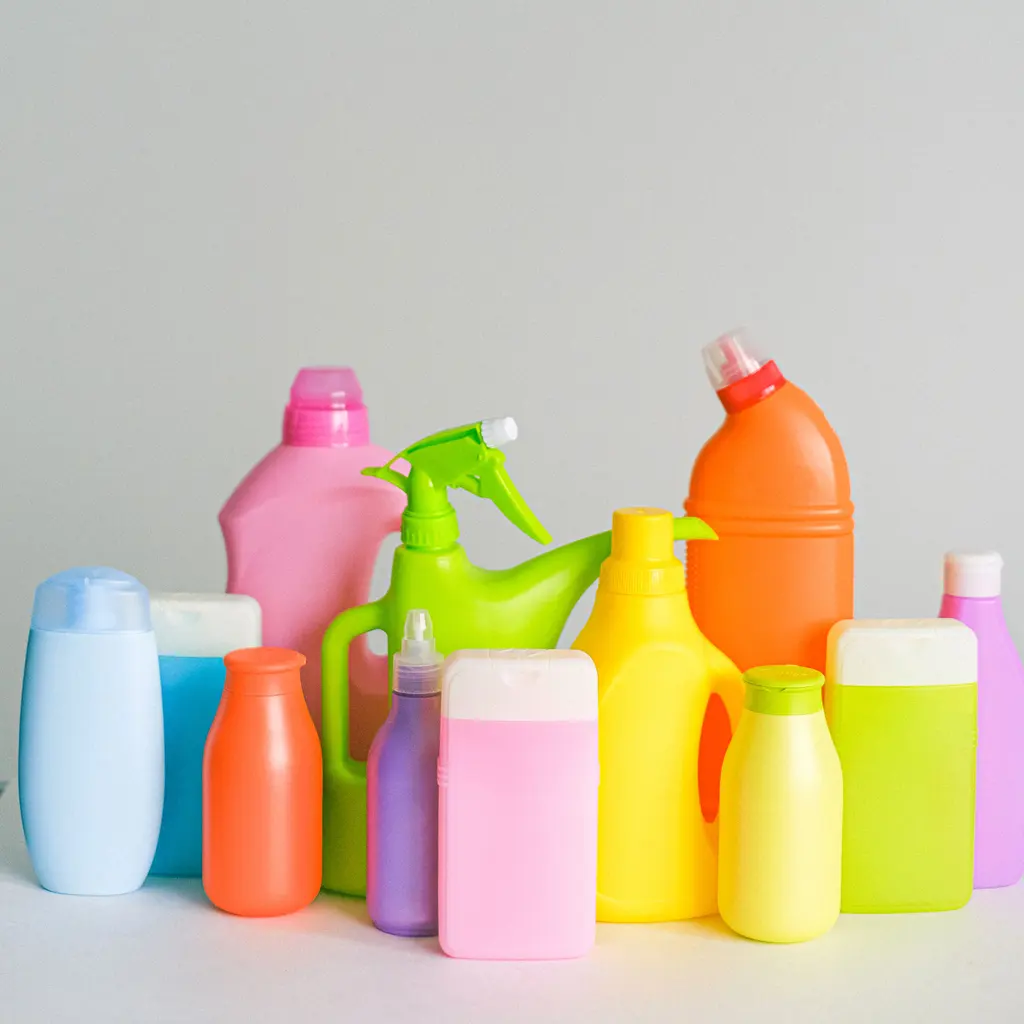
You produce containers using blow-molding processes, which involve high heat, pressure, and large inventories of combustible resin. Product failures like leaks can damage customer goods and lead to liability claims.
The Southern Agency can help you evaluate your production line and resin storage to select appropriate insurance. We can discuss how to separate product-liability concerns from the costs of re-running rejected containers or handling plant equipment failures.
Heated preforms, moving molds and high-pressure air expose operators to burns, pinch points, and sudden release.
A wall, seal or material fault may cause leaks, bursts, contents damage or injury. Rejected containers without resulting harm create different costs.
Resin, regrind, and large volumes of finished bottles concentrate combustible stock. Assess the material, quantities and storage.
Bottle, closure and filling specifications can come from different parties. Preserve approvals and test records when a filler alleges failure.
Molders, compressors and conveyors can stop a large production run; repair, testing and restart determine the interruption.
Identify declared food uses, materials, contents, and filling or storage conditions. Contamination concerns can lead to withdrawal without proving injury.
Moving resin, preforms, and palletized bottles exposes workers to struck-by and repetitive-motion injuries. Describe resin and additive storage, waste routes, and spill responsibilities separately.
Policies to ask about. Which ones fit depends on your operations, your contracts, and the carrier’s forms.
These hypothetical examples are not agency claim results. Whether a loss is covered depends on the facts, policy terms, and applicable exclusions.
Bottles with a wall-thickness defect burst during filling and cause a beverage customer loss. Establish whether there is injury, damage to contents or other property, or only rejected bottles and disrupted filling. Review the bottle and filling duties and own-product, impaired-property, and contract terms; repacking, replacement, and recall need separate review.
A fire ignites stored resin and finished containers and damages the plant. Review the covered fire cause, insured machinery and stock interests, valuation and peak limits, and any purchased income terms. The loss does not establish every contract or delayed-order expense.
A high-pressure compressor fails and halts blow molding for several days. Check covered internal damage and purchased stock and income terms, waiting periods, and repair and restart time. Wear, pressure settings, and customer deadline charges are separate questions.
Start with the work you do and the questions your current policies leave unanswered. Carrier options depend on your location, risk, and underwriting. Explore our approach.
Start with machinery and stock values, bottle contents and uses, product duties, and employee tasks. Compare property, product liability, internal breakdown and income, and applicable workers’ compensation. Delivery vehicles and cargo need separate review; no single package follows from the bottle-maker label.
Identify the bottle’s contents and use, design and filling responsibilities and any injury or damage to contents or other property. Rejected bottles, replacement, repacking, refunds, and recall expenses are separate boundaries. A customer’s financial loss alone does not establish product-liability payment.
Yes. Resin and large volumes of plastic containers are combustible. Property and business income coverage may help, subject to policy terms and fire-protection underwriting.
Identify covered internal damage and the compressor, molding, and conveying dependencies involved. Check purchased stock and income terms, waiting periods and repair and restart time. Wear, wrong settings and late-order charges alone do not establish a covered loss.
Keep lot records and identify who can trace and retrieve empty bottles and filled goods. Review any offered withdrawal terms for the products, trigger, expenses, and consent. Food-contact status, a contamination concern or ordinary product liability does not establish that all bottles, contents, replacement, and recall costs are insured.
Insurers weigh equipment and inventory values, fire protection, end markets, payroll, and loss history. Coverage availability depends on underwriting.
Bring your questions, current policies, and relevant contracts. An agent can review coverage terms, exclusions, and the information carriers ask for, then explain the options available to you.