

Disc defects ruining client runs
Delamination, read errors, or molding flaws can render a client's release unusable, leading to costly reruns and liability claims.
Try a different word, or check the spelling.
Your client's master carries content rights and release expectations as well as a physical replacement cost. Property and liability terms need to distinguish those interests from reruns, lost sales, or an infringement dispute.
The Southern Agency can help you protect your specialized replication processes, client assets, and production reliability.
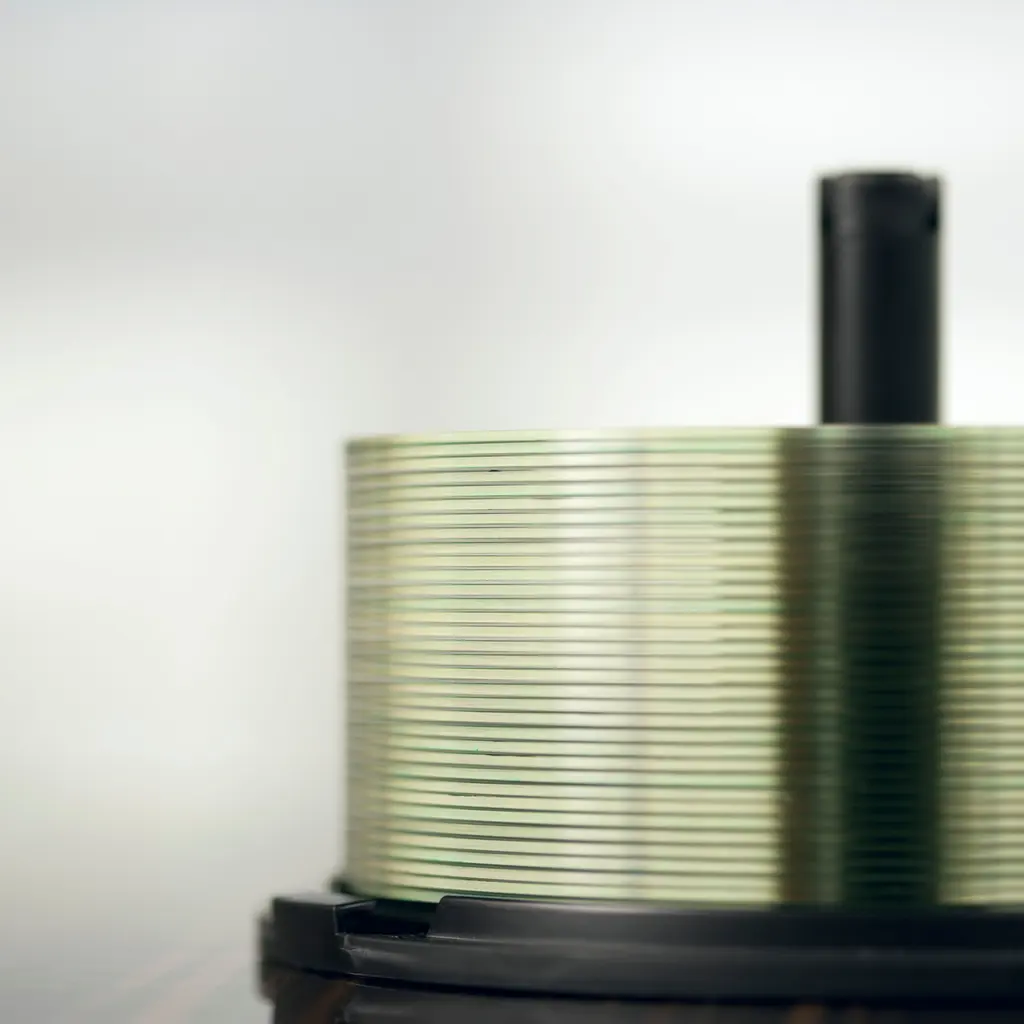
You replicate discs using injection molding, vacuum metallizing, and UV curing, holding client masters that are essential to their release schedules. Solvents and hot equipment create fire and worker hazards, while errors in content can cause significant financial loss.
The Southern Agency can review your chemical use, equipment dependencies, and client-content responsibility to help select appropriate insurance. For example, we can help you distinguish between covered property damage and the liabilities associated with a missed product release.
Delamination, read errors, or molding flaws can render a client's release unusable, leading to costly reruns and liability claims.
Flammable lacquers, coatings, and cleaning solvents used in coating and curing create fire and fume exposure on the production floor.
Injection molding, vacuum metallizing, and UV curing lines run continuously, and a failure can halt replication and spoil in-process discs.
Coating fumes and solvent waste create air-quality and pollution exposure if controls or disposal practices fail.
Replicating an incorrect or infringing master, or mishandling client content, can create liability beyond the physical product.
Valuable stampers, masters, and finished media are vulnerable to fire, water, and theft, and loss can delay client deliveries.
Staff face solvent inhalation, UV, and machinery hazards around coating, curing, and molding equipment.
Policies to ask about. Which ones fit depends on your operations, your contracts, and the carrier’s forms.
These hypothetical examples are not agency claim results. Whether a loss is covered depends on the facts, policy terms, and applicable exclusions.
A batch of discs delaminates and a client’s release cannot ship on time. Identify any injury or other-property damage and review own-product, impaired-property, and contract terms. Reruns, replacing the discs, meeting the release date and paying the client’s lost-sales demand are separate from covered liability for physical harm.
Solvent vapor near a UV-curing line ignites and damages the coating area. Review covered fire damage to equipment and stock and any purchased income terms. Equipment breakdown requires its own covered internal event; the fire’s location near a curing line does not itself establish a breakdown claim or all lost release revenue.
Improperly contained solvent waste reaches a drain and prompts a regulatory claim. An environmental policy may respond to cleanup costs, depending on its terms and exclusions. Check the waste, release, site, and cleanup terms and any reporting or consent conditions. Normal disposal, compliance duties and fines are separate.
Start with the work you do and the questions your current policies leave unanswered. Carrier options depend on your location, risk, and underwriting. Explore our approach.
Describe the chemicals, fumes, and waste routes actually used. Review pollution conditions, cleanup, and third-party claims, including reporting and consent. A plant’s routine solvent disposal, compliance work or a regulatory claim alone does not establish insured cleanup or payment of fines.
Identify the covered internal molding, metallizing or curing failure. Review the stock and income extensions purchased against repair and restart time. A poor master, wrong process setting, delaminated batch or missed release date does not by itself establish a covered breakdown.
A disc alleged to cause injury or damage to other property presents a different question from an unreadable or delaminated run. Review own-product, impaired-property, and contractual terms for reruns, replacement discs, delayed release, and client lost sales. Those costs are not established by the product-liability label.
Separate owned and client property, physical masters and stampers, and the data or licensed content they hold. Review covered causes and valuation and any data recreation provision. Replacing the physical item does not necessarily insure the client’s content value, recreation rights, or lost release revenue.
Keep the approved master and the client’s replication authority and acceptance records. A wrong-master, licensing or infringement claim can involve financial loss distinct from injury or physical damage. Check the activities and exclusions in any proposed media or errors-and-omissions form. If it is claims-made, review prior acts and reporting; ordinary product or advertising-injury coverage should not be assumed to pay.
Solvent volumes, equipment criticality, production volume, inventory value, and loss history typically drive cost. Each plant is rated on its specific operations and controls.
Bring your questions, current policies, and relevant contracts. An agent can review coverage terms, exclusions, and the information carriers ask for, then explain the options available to you.