

Soldering and assembly defects
Cold joints, tombstoning, or misplaced components can cause a customer's product to fail in the field, leading to downstream claims.
Try a different word, or check the spelling.
A customer's board design and your soldering work can be questioned in the same finished-product failure. Liability terms need to fit the assembly duties you accept, while consigned components and build rework require separate attention.
The Southern Agency can help you structure insurance that addresses the specialized needs of contract electronics manufacturing and component custody.
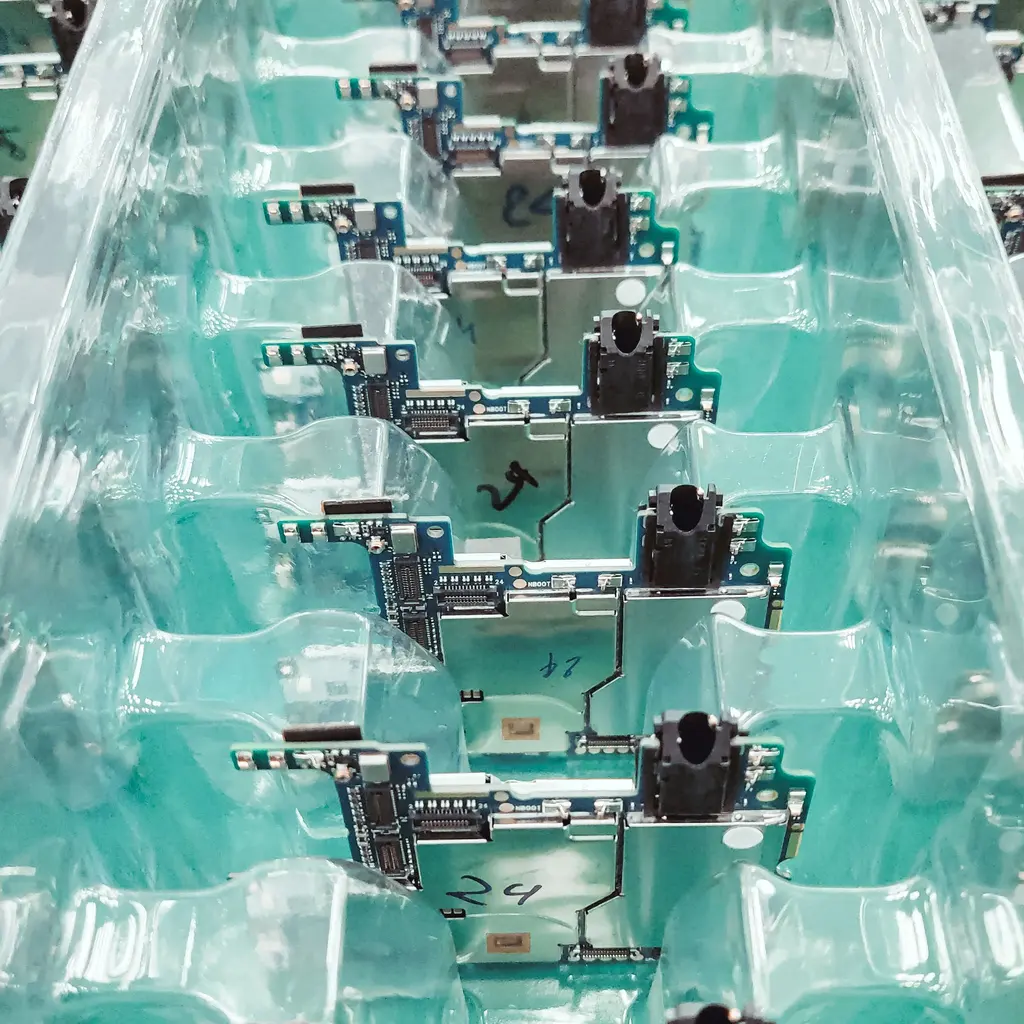
You operate a contract assembly shop using reflow ovens and test systems, where a soldering or design error can affect a customer’s finished product. You also hold valuable customer-consigned components on your premises.
The Southern Agency can review your contract-manufacturing liabilities and bailee responsibilities to help select appropriate insurance. For example, we can help you clarify how to insure the value of customer boards separately from your own liability for potential build defects.
Cold joints, tombstoning, or misplaced components can cause a customer's product to fail in the field, leading to downstream claims.
Shops often hold valuable customer-supplied components and boards, creating bailee exposure if they are damaged, lost, or stolen.
Flux, cleaning solvents, and conformal coatings create fire, fume, and pollution exposure around soldering and coating stations.
Reflow ovens, pick-and-place machines, and test systems are critical, and a breakdown can stall contract production schedules.
ESD during handling can damage components and create latent failures that surface only after the customer ships.
When a board fails, disputes can arise over whether the defect came from the customer's design or the shop's assembly.
Components, populated boards, and equipment represent concentrated value vulnerable to fire, water, and theft on site.
Policies to ask about. Which ones fit depends on your operations, your contracts, and the carrier’s forms.
These hypothetical examples are not agency claim results. Whether a loss is covered depends on the facts, policy terms, and applicable exclusions.
Boards with cold solder joints cause a customer’s product to fail in the field. Identify any injury or damage to other property separately from reworking the boards, correcting customer assemblies, product withdrawal, and lost production. Review the declared end use, build or design duties and product, impaired-property, professional and contract terms; a field failure alone does not establish payment.
A water leak damages a batch of customer-owned components staged for assembly. Inland marine bailee coverage may respond to the loss, subject to the specific policy and exclusions. Review the covered water cause, insured customer interest, processing stage, valuation, and limits rather than assuming every consigned part is included.
A reflow oven fails and halts a contract run against a tight deadline. Equipment breakdown and business income coverage may help with repairs and lost output, depending on policy terms. Check the covered internal failure and purchased income terms; the deadline does not itself insure contract charges or every lost order.
Start with the work you do and the questions your current policies leave unanswered. Carrier options depend on your location, risk, and underwriting. Explore our approach.
Identify the owner and peak value of components and boards and when you store, process, test, rework or ship them. Direct customer-property protection and legal liability for damage are different. Review processing, workmanship, covered causes, and valuation; a consignment agreement does not itself insure the parts.
Keep the approved design, substitutions, assembly, and test records. A customer drawing does not establish who caused a failure or which policy responds. Separate injury or other-equipment damage from replacing boards, rework, and pure delay, and review any engineering duties and professional-services exclusions.
Describe the flux, coating, and cleaner chemistry and waste routes. Review covered fire and employee exposure separately from pollution cleanup and third-party terms. Normal disposal, compliance work, and fines should not be assumed insured.
Identify the covered internal oven failure and purchased stock and income terms, including repair, and restart time. A temperature setting error, defective boards, normal maintenance or a missed contract date does not alone establish payment.
Separate owned, consigned and customer components and bare or populated boards and bring peak values. Check covered causes, custody, processing, and shipment stages and the valuation basis. Fire or theft cover should not be assumed to include assembly defects, electrostatic damage, or every contract replacement value.
End markets, design responsibility, customer property values, chemical use, and loss history typically drive cost. Each shop is rated on its specific operations.
Bring your questions, current policies, and relevant contracts. An agent can review coverage terms, exclusions, and the information carriers ask for, then explain the options available to you.