

Cleanroom contamination of work in process
Particulates, humidity excursions, or filtration failure can damage wafers or require rejection. Identify the stage, cause, value, and whether rework is feasible.
Try a different word, or check the spelling.
A wafer lot gains work at each process stage, while a tool outage may affect only the stages that depend on it. Your stock valuation and interruption terms need that detail, without treating every yield shortfall as insured damage.
The Southern Agency can help evaluate your fabrication facility's specialized property and production risks.
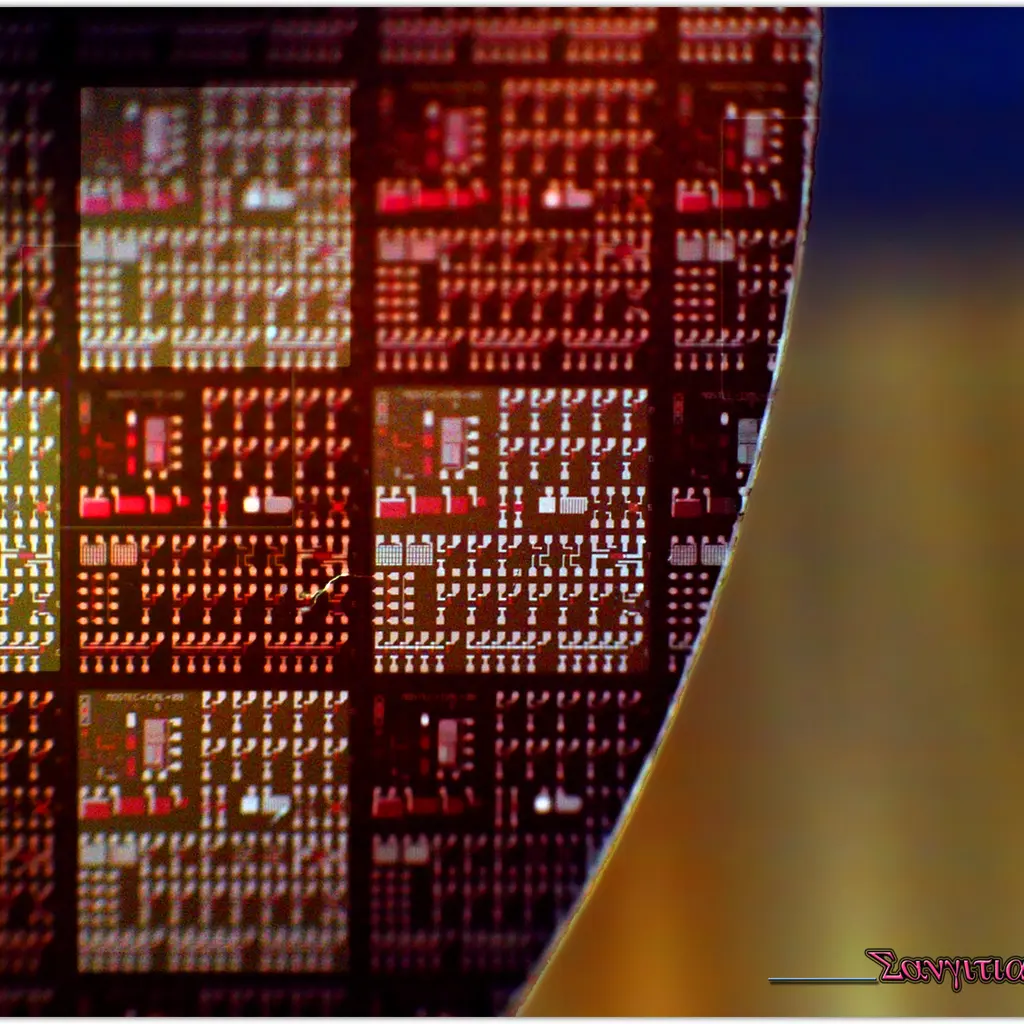
You build chips through repeated fabrication stages, with wafer lots gaining value as they move between specialized tools. Contamination or a failed chiller can damage work in process and hold up dependent stages. Process gases and chemicals bring different fire, worker and release hazards.
The Southern Agency can review your cleanroom operations and chemical inventory to help select appropriate insurance. For example, we can help you understand how cleanroom restoration coverage differs from a liability claim related to a finished chip's performance.
Particulates, humidity excursions, or filtration failure can damage wafers or require rejection. Identify the stage, cause, value, and whether rework is feasible.
Gas delivery and exhaust systems can involve toxic, flammable, or pyrophoric hazards depending on the substance and process. Assess the inventories and failure scenarios.
Value lithography, etch, deposition, and implant tools individually, including ownership, replacement needs and the stages that depend on them.
Power disturbance, chiller, or pump failure can stop processing and damage wafer lots. Identify the event and affected stages rather than assume every outage shuts the whole fab.
An acid, solvent, etchant or gas release can create worker, cleanup, or third-party exposure. Routine treatment and permit duties require a separate review.
A chip defect can prompt injury, other-property damage, or loss-of-use allegations, or only rejected-lot and customer recall demands. Establish the loss alleged.
Customer designs, process recipes, and production systems warrant access and incident records. A security event differs from yield error or an intellectual-property ownership dispute.
Policies to ask about. Which ones fit depends on your operations, your contracts, and the carrier’s forms.
These hypothetical examples are not agency claim results. Whether a loss is covered depends on the facts, policy terms, and applicable exclusions.
A chiller breakdown causes a temperature excursion that ruins wafers mid-process. Establish the covered internal event, wafer ownership, processing-stage valuation, and stock extension. Compare repair, restoration, and purchased income periods with restart needs. Machine repair, damaged wafer lots, and lost income can have different limits and conditions.
A toxic process-gas line leaks, requiring evacuation and cleanup. Identify the substance, site, release, and prior conditions. Check pollution response, consent, and reporting. Review cleanroom restoration, property damage, and lost production separately from pollution response costs.
A buyer alleges a latent chip defect caused failures in its finished electronics. Establish whether the demand concerns injury, physical damage, loss of use, replacement chips, or a customer withdrawal. Review insured products and own-product, impaired-property, services, and contract terms; the allegation alone does not prove all downstream costs insured.
Start with the work you do and the questions your current policies leave unanswered. Carrier options depend on your location, risk, and underwriting. Explore our approach.
Bring replacement values for each tool, cleanroom systems, and owned or customer wafer lots at their processing stages. Compare fire and contamination causes, process restrictions, and valuation with internal-breakdown and purchased stock terms. Cleanroom restoration and income require their own trigger and period review.
Inventory the gases, mixtures, volumes, and delivery or exhaust systems with qualified advisers. Different substances create different physical and health hazards. Compare release and pollution terms, sites, prior conditions, cleanup, third-party claims, consent, and reporting; routine treatment and fines are separate questions.
A component maker can face injury, other-property damage or loss-of-use allegations even when a buyer assembles the finished device. Keep chip specifications, design allocation, and end-use records. Review own-product, impaired-property, and services restrictions; rejected chips, buyer downtime, warranties, and recall remain separate cost questions.
Identify the internal event, dependent stages, wafer damage, and any utility involvement. Check purchased stock and income extensions, waiting, and restoration periods against repair and restart estimates. Yield error, worn parts, or a customer deadline alone do not establish covered interruption.
Customer designs, process recipes, and control access create security questions. Review covered security or privacy events, response and purchased interruption terms, reporting, and consent. A cyber policy does not establish full trade-secret value, infringement defense, process correction, or physical-stock benefits.
Provide current detection, chemical-handling, contamination-control, and safety assessments, maintenance records, and losses. Ask the insurer to evaluate the operations, values and requested terms. Controls are important information, not a promise of availability, favorable pricing, or payment.
Bring your questions, current policies, and relevant contracts. An agent can review coverage terms, exclusions, and the information carriers ask for, then explain the options available to you.