

Control failure damaging a customer process
A defective controller or drive can cause a customer's machinery or process to malfunction, leading to equipment damage and production losses.
Try a different word, or check the spelling.
Your firmware can give the wrong instruction without a network intrusion, while a hardware fault can create a different loss. Product, technology-service and cyber terms need to distinguish those causes and the customer's physical or financial harm.
The Southern Agency can help you navigate the intersection of hardware assembly and digital liability for critical process controllers.
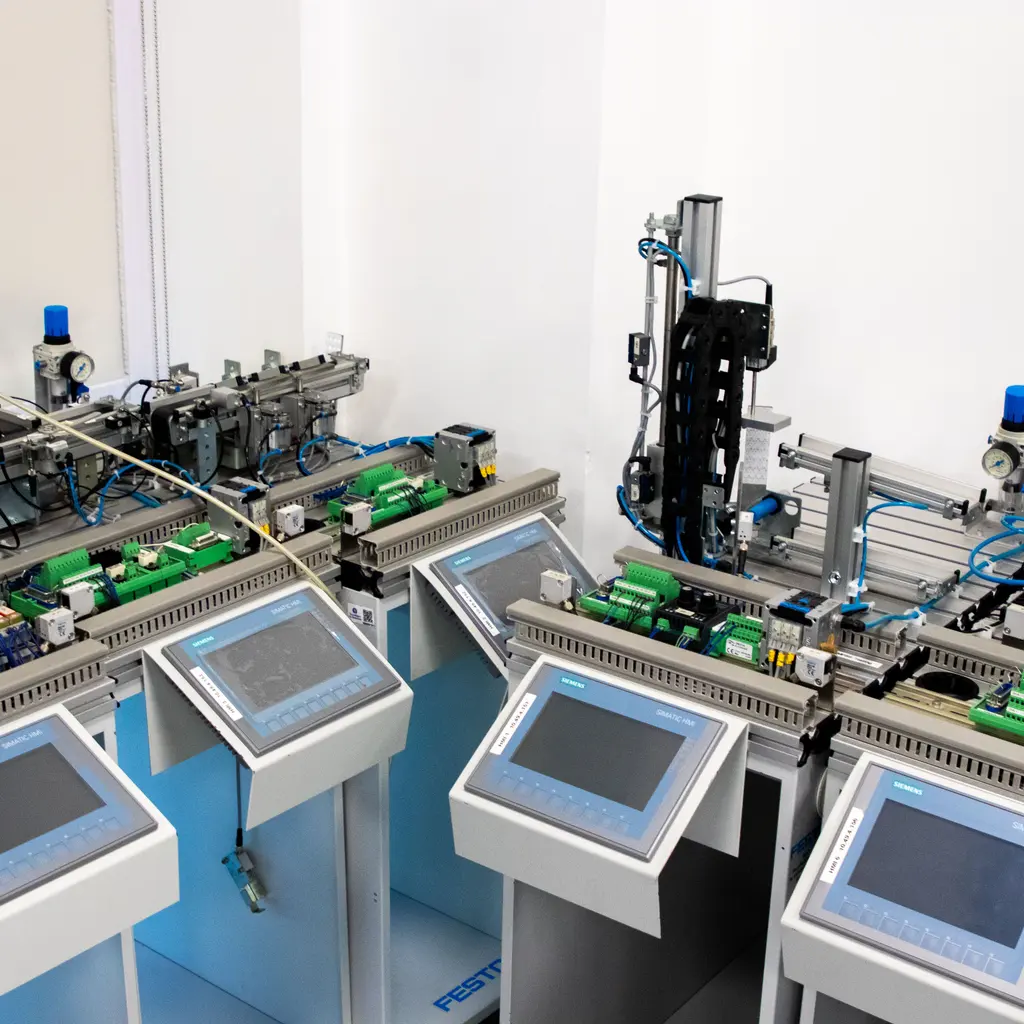
Your business builds controllers and sensors that automate critical industrial processes. A faulty device or firmware error can cause a customer’s machinery to malfunction, leading to expensive downstream damage or safety incidents.
The Southern Agency can help you review the hardware, firmware and services you supply to customer systems. We can compare product, technology and cyber terms for physical damage, financial loss and security allegations, including where the policies overlap or leave gaps.
A defective controller or drive can cause a customer's machinery or process to malfunction, leading to equipment damage and production losses.
An embedded firmware or logic error can produce incorrect control behavior. Distinguish injury/other-property damage from own-device correction, financial/process loss, and the actual accepted technology-service duties.
Inaccurate sensor output can cause a customer system to act on bad data, potentially creating safety or quality incidents downstream.
Networked controllers can carry security flaws that allow intrusion into customer operations or expose data if exploited.
Soldering, reflow ovens, and panel wiring create fire and worker-injury exposure on the production floor.
Specialized chips and parts can strand inventory or interrupt output. A supplier shortage or obsolescence is not itself proof of covered property or contingent business-income loss.
Policies to ask about. Which ones fit depends on your operations, your contracts, and the carrier’s forms.
These hypothetical examples are not agency claim results. Whether a loss is covered depends on the facts, policy terms, and applicable exclusions.
A buyer alleges a defective controller caused its production line to malfunction and damage equipment. Product liability may help with defense and covered damages, depending on policy terms and facts. Distinguish damage to other machinery from the controller itself, impaired-process allegations, and unsupported production-loss demands.
A customer alleges a control-logic error caused incorrect operation and losses at its site. Technology errors-and-omissions coverage may help defend an accepted firmware or design claim and pay covered financial damages, subject to the form. Identify own-device, other-machinery, data, and production-income losses and compare product, professional and cyber exclusions and timing; a logic error alone does not decide coverage.
A security flaw in a networked controller is exploited to access a customer's systems. Cyber liability may help defend a covered customer-system security claim and pay covered damages if the device and security activities are included. That differs from response cover for the maker's network. Check affected-system definitions, notice, consent, and injury, or property-damage exclusions; not all customer response or outage costs are insured.
Start with the work you do and the questions your current policies leave unanswered. Carrier options depend on your location, risk, and underwriting. Explore our approach.
Compare failure allegations, not just hardware and software labels. Product injury or other-property damage, financial loss from technology products or services and security claims can have different cover and exclusions. Check firmware, integration, and end uses included and timing terms before deciding which policies fit.
Identify whether the event affects your network or a customer through your device, and who supplies updates and remote access. Compare insured-system definitions, security activities included, liability versus response costs, and physical-damage exclusions. A vulnerability without a covered event or claim is not automatic cover.
Identify physical damage to other machinery, the failed device, and production or data loss separately. Review product, professional, software, and cyber exclusions, impaired-property terms, and the alleged cause. A stopped process or replacement controller is not always insured product damage.
The cause being firmware does not decide which policy applies. Compare technology products and services included, injury or other-property damage versus financial or data loss, and professional and software exclusions. Where claims-made terms apply, review prior acts and claim-reporting continuity.
Describe the actual process, safety role and possible injury, other-equipment damage, and shutdown losses. Review accepted end uses, contractual caps, aggregates, and offered limits with qualified advisers; criticality does not prove availability, a mandatory limit or coverage of every outage.
Identify the chip supplier, cause, any direct damage, or cyber interruption and the dependent-property or system extension offered. Review named dependencies, waiting periods, limits, and exclusions separately from ordinary shortages, delays or obsolescence, which alone do not establish insured loss.
Bring your questions, current policies, and relevant contracts. An agent can review coverage terms, exclusions, and the information carriers ask for, then explain the options available to you.