

Foam and fabric storage fire
Foam buns, fabric rolls, cutting scraps, dust, and finished seating can contribute to a plant or warehouse fire. Assess the stored materials, quantities, arrangement, and nearby ignition sources.
Try a different word, or check the spelling.
A test result for one cover or filling component does not tell the whole story of your finished sofa. Product protection should identify the complete article and alleged harm, with labeling corrections, mechanism replacement, and retrieval costs considered separately.
The Southern Agency can help you evaluate the property and liability risks of your upholstery factory.
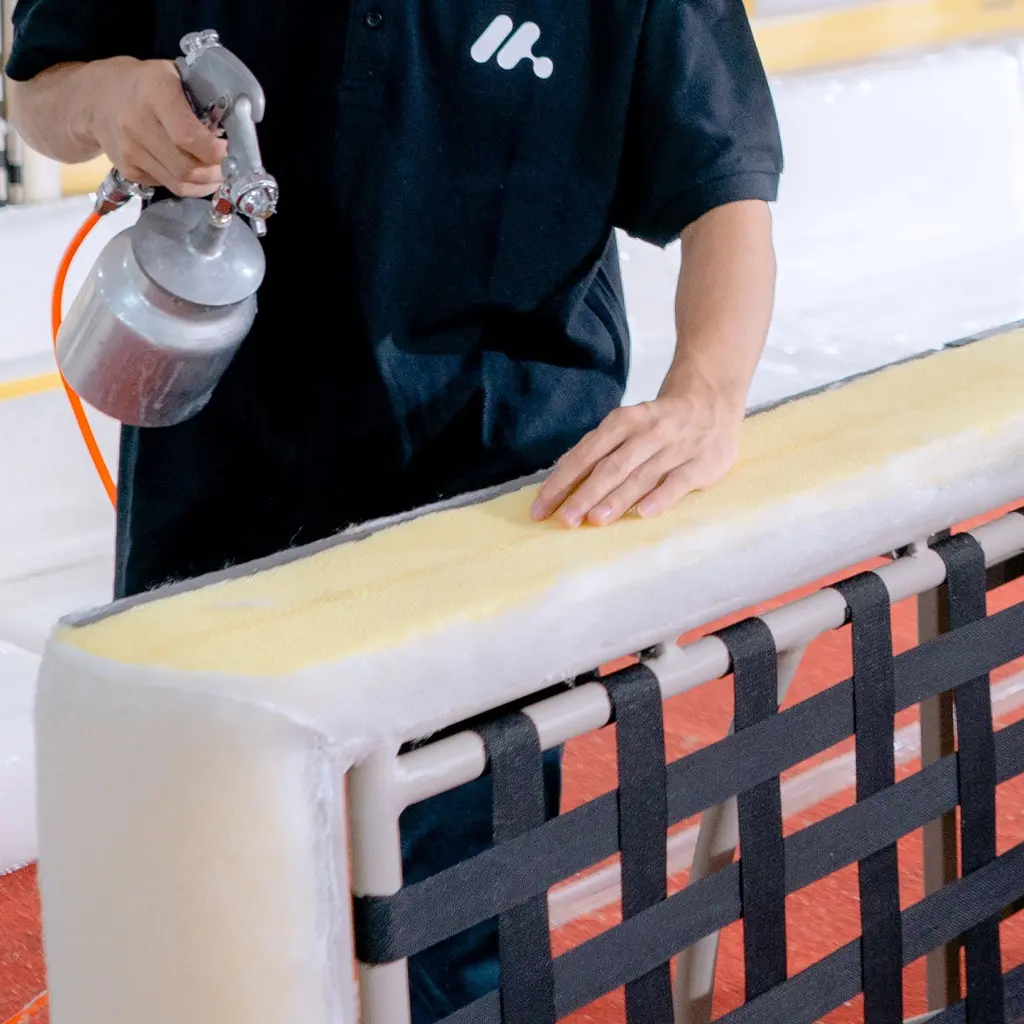
You cut fabric and foam and assemble upholstered furniture using machinery and stored materials. A fire can damage the production area and stock, while a finished product alleged to cause injury can bring claims beyond the factory.
The Southern Agency can review your assembly processes and materials to help you select insurance. We can discuss plant property and equipment protection alongside product liability, keeping recall and correction costs separate from resulting injury claims.
Foam buns, fabric rolls, cutting scraps, dust, and finished seating can contribute to a plant or warehouse fire. Assess the stored materials, quantities, arrangement, and nearby ignition sources.
A test or construction problem can lead to correction or withdrawal. Identify the article and the complete cover, filling, barrier, and decking arrangement before concluding that a single component result makes the furniture noncompliant.
Moving reclining mechanisms can pinch a user or fail under load. Consumer injury claims differ from replacing the mechanism, fulfilling a warranty, or retrieving other recliners.
A collapsing frame, failed spring or exposed staple can injure a consumer. Identify the damaged furniture and any other property separately from the injury and defense claim.
Sofas and sectionals can be torn, soiled or damaged during loading, carriage, and unloading. Ownership and the insured handling stages matter, including delivery by an outside carrier.
Foam cutters, sewing equipment, stapling, frame assembly, and lifting bulky pieces expose employees to cuts, punctures, strains, and machine injuries.
Policies to ask about. Which ones fit depends on your operations, your contracts, and the carrier’s forms.
These hypothetical examples are not agency claim results. Whether a loss is covered depends on the facts, policy terms, and applicable exclusions.
A fire in stored foam spreads to finished sofas, damages the building, and stops production. Property coverage may help repair the insured building and replace covered stock; purchased business income may address the resulting interruption, subject to waiting periods and restoration limits. Peak inventory values and stock ownership matter, and lost orders are not all equivalent to insured income.
A reclining mechanism pinches a user’s hand and the user brings an injury claim. Product liability may help with defense and covered damages if the recliner and allegation fall within the policy. Replacing that mechanism, honoring a warranty, and withdrawing other recliners are separate expenses.
A load shifts during carriage and a finished sectional is torn and soiled. A goods-in-transit policy may help repair or replace the insured owner’s furniture if the trip, cause, and valuation are covered. The carrier’s legal responsibility and any loading or unloading loss require their own terms.
Start with the work you do and the questions your current policies leave unanswered. Carrier options depend on your location, risk, and underwriting. Explore our approach.
Foam, fabric, scraps, dust, and staged seating can support a damaging fire, but severity depends on the materials, quantities, layout, and ignition sources at your plant. Have qualified advisers assess storage and fire protection. Insurance addresses covered losses under its terms; sprinklers and other controls do not guarantee acceptance or payment.
CPSC describes smolder-resistance requirements under 16 CFR part 1640 for upholstered seating within its scope. The article and complete construction matter: qualifying barrier arrangements can provide a compliance route even where a cover or filling does not pass its individual test. Obtain qualified testing and labeling advice rather than treat a component result as a finding about the finished article. Compliance is separate from insurance for injury or correction costs.
A pinching or failed mechanism can lead to a consumer injury claim. Describe the mechanism, supplier and your design or assembly responsibilities and compare the products and allegations included in the policy. Liability for injury differs from replacing the chair, fulfilling its warranty, or retrieving other units.
Ask whether recall protection is offered for your furniture and inspect the proposed products, safety event, expenses, consent, and limits. Product liability does not itself fund retrieval, replacement, or regulatory correction. A failed test or retailer’s demand must still meet the recall policy’s trigger.
Identify who owns the sofas, the carrier and the handoff to the buyer. Compare direct goods protection with carrier legal liability and check packing, loading, carriage, unloading, storage, and valuation. Insurance on the truck alone does not establish cover for torn or soiled furniture.
Bring the retailer’s actual limits, additional-insured requests, warranties, indemnities, and return or recall obligations. Compare them with issued policies and endorsements. A contract or certificate does not add protection or guarantee a program that meets every requirement.
Bring your questions, current policies, and relevant contracts. An agent can review coverage terms, exclusions, and the information carriers ask for, then explain the options available to you.