

Recovery boiler and pressure-vessel failure
Where recovery boilers or digesters are used, high heat and pressure can lead to serious damage, injury, and extended dependent-process shutdowns.
Try a different word, or check the spelling.
Your pulp process may depend on a digester, recovery boiler or another shared utility, but each mill's sequence is different. Breakdown and income terms should follow that configuration, not assume every fiber shortage or rejected volume is physical damage.
The Southern Agency can help you evaluate your mill's process dependencies and potential liability exposures.
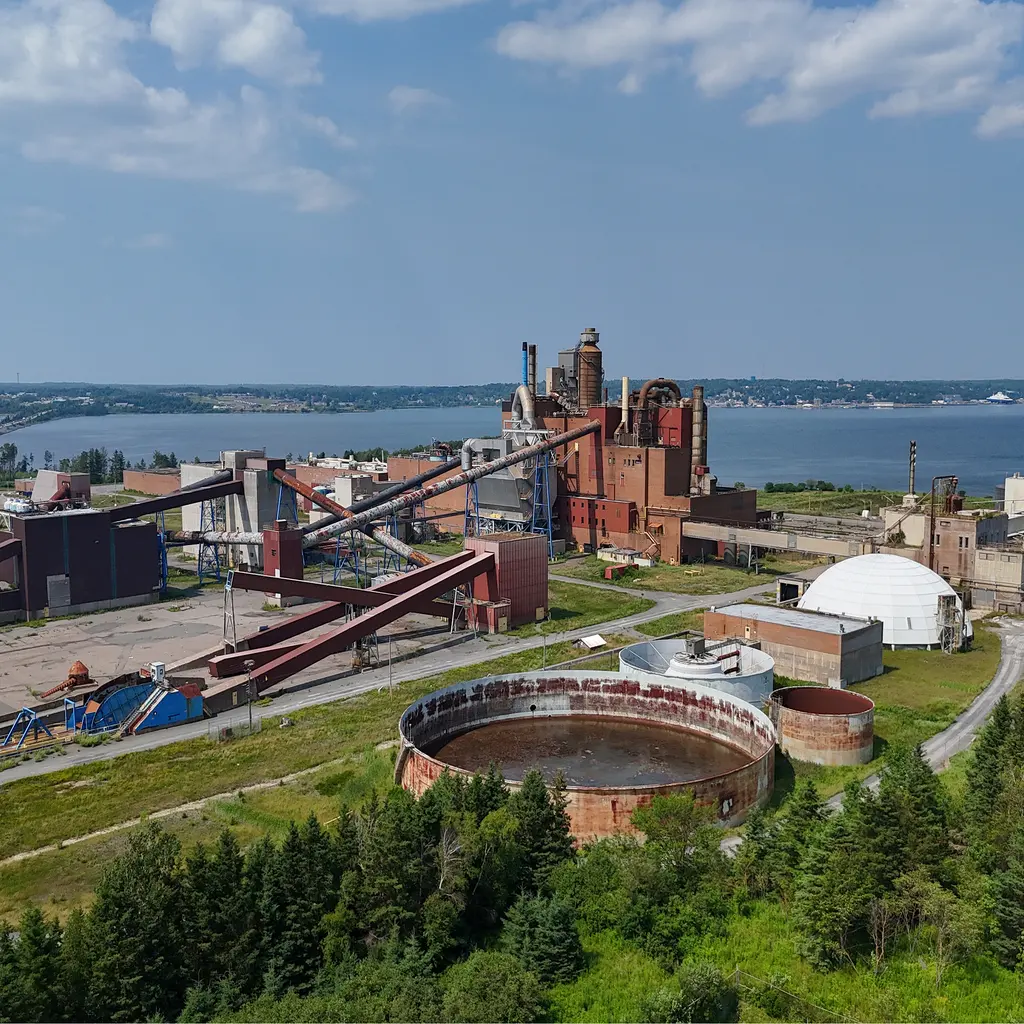
Your mill relies on complex chemical and mechanical processes to convert raw wood fiber into market pulp. Heavy machinery, corrosive chemicals, and pressurized vessels create significant operational and environmental hazards.
The Southern Agency can review the pulping, bleaching and recovery stages you perform to help you select insurance. We can compare protection for critical equipment and income after a covered failure with product terms for customer damage, keeping rejected fiber and missed-volume promises separate.
Where recovery boilers or digesters are used, high heat and pressure can lead to serious damage, injury, and extended dependent-process shutdowns.
Identify caustics, acids, and bleaching chemicals actually handled and recovered. Burn, inhalation, and spill exposure depends on the process.
Assess the material and process conditions for fiber-dust fire or explosion near dryers, boilers, and storage. Review any black-liquor recovery separately.
A bottleneck machine or utility failure can stop dependent process stages and disrupt pulp supply commitments. Map the mill’s actual line configuration.
Effluent, emissions, and chemical spills can trigger cleanup, regulatory, and third-party pollution claims.
Operating and maintenance crews face burn, fall, confined-space, and machinery hazards in a hot, high-pressure environment.
Loss of wood chip or recovered fiber supply, or storage damage, can curtail production and revenue.
Policies to ask about. Which ones fit depends on your operations, your contracts, and the carrier’s forms.
These hypothetical examples are not agency claim results. Whether a loss is covered depends on the facts, policy terms, and applicable exclusions.
A recovery-boiler tube failure forces an emergency shutdown and damages surrounding equipment. Check the covered internal event, the equipment affected, and the repair and process-restart period. Repair, stock and income recovery depend on the extensions purchased, their waiting periods and limits; missed volume commitments are separate.
A valve failure releases bleaching chemicals, requiring cleanup and reporting. Identify the release, affected site and pollution conditions and review cleanup, third-party claims, notice, and consent. Normal chemical recovery, treatment upgrades, and fines are separate from the release claim.
Contaminated pulp reaches a paper customer and causes production loss. Establish whether customer paper or equipment was damaged or an undamaged line waited for usable pulp. Review product, impaired-property and contract terms separately from replacing pulp, repulping, refunds, and withdrawal.
Start with the work you do and the questions your current policies leave unanswered. Carrier options depend on your location, risk, and underwriting. Explore our approach.
Identify the recovery boilers, digesters, refiners, and other equipment actually used and how their failure affects dependent stages. Compare a covered internal event with wear and maintenance restrictions and the stock, utility, and income extensions purchased. Continuous production or an emergency shutdown alone does not establish recovery.
Describe the chemical and recovered-fiber processes, treatment and discharge arrangements and the actual release. Review cleanup, third-party claims, and reporting against the proposed pollution terms. Site compliance, ordinary treatment, upgrades, and fines are separate from an insured pollution condition.
Establish whether contaminated pulp damaged customer paper, machinery or other property, or whether the demand concerns rejected fiber and an undamaged line’s lost production. Review own-product, impaired-property and contract terms. Replacement pulp, repulping, refunds, and withdrawal are separate questions.
Map which stages stop, why, and the repair and safe restart period. Business income requires the covered trigger and extension purchased, subject to waiting and restoration terms. A raw-fiber shortage or missed volume contract alone does not establish an insured loss.
Burns, falls, confined-space, and machinery injuries occur in a hot, high-pressure plant. Workers' compensation commonly responds, subject to the policy and applicable law.
Insurers weigh asset values, process type, chemical volumes, environmental controls, payroll, and loss history. Coverage availability depends on underwriting and engineering review.
Bring your questions, current policies, and relevant contracts. An agent can review coverage terms, exclusions, and the information carriers ask for, then explain the options available to you.