

Fire in baled and loose fiber storage
Dense stacks of paper and cardboard are highly combustible, and dust around balers can ignite, allowing fire to spread quickly through bays and yard stock.
Try a different word, or check the spelling.
Your mill buyer can reject wet or contaminated fiber even when the baler has done its job. Stock and breakdown protection should distinguish that quality loss from a covered fire or internal failure, with price movements treated separately.
The Southern Agency can review your sorting line, yard stock and collection work with you, including where ownership and responsibility change.
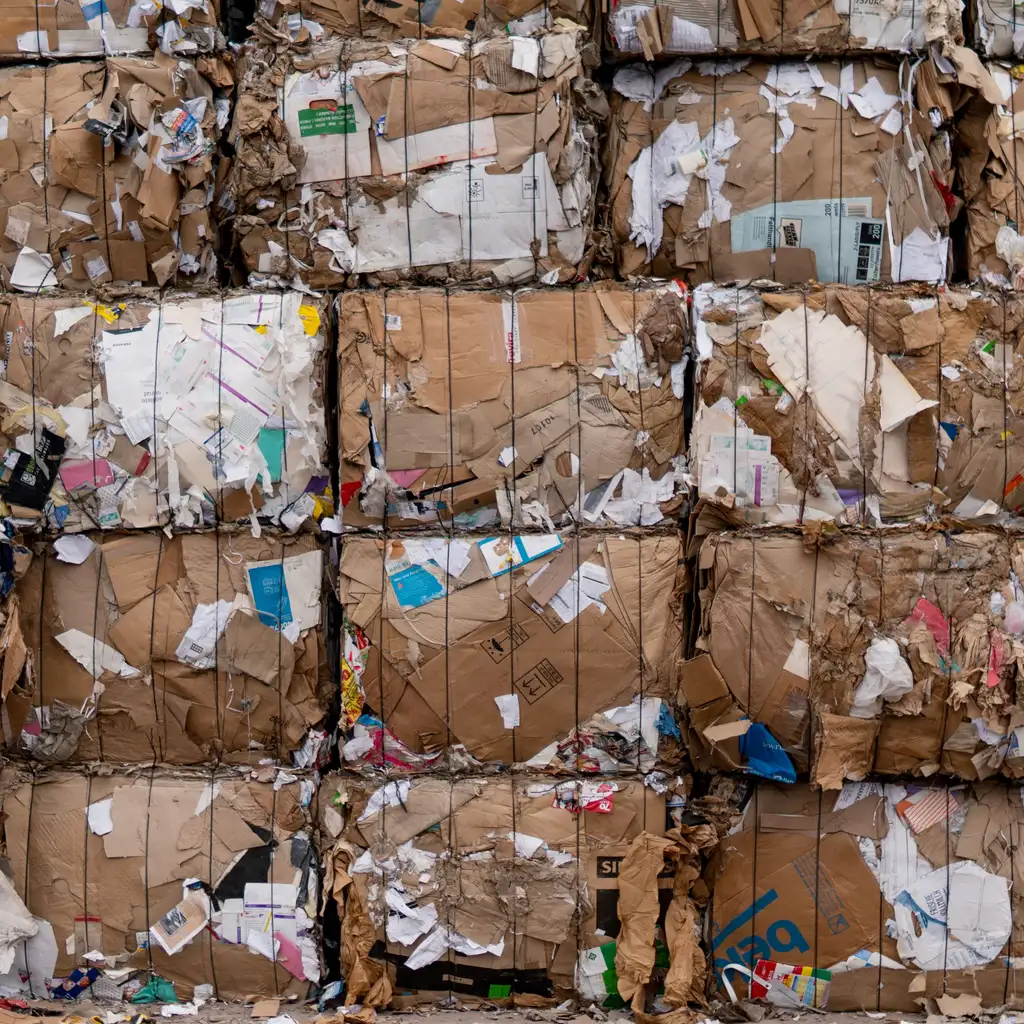
You process large volumes of recovered fiber through sorting lines, balers, and yard storage. A fire in your baled stock can spread rapidly, and heavy equipment operation in a busy tipping yard creates significant injury stakes for workers and visitors.
The Southern Agency can help you review your yard management and logistics to select appropriate insurance for your recycling center. We can help you separate property damage from fire or breakdown from losses related to fiber contamination, wet stock, or price fluctuations.
Dense stacks of paper and cardboard are highly combustible, and dust around balers can ignite, allowing fire to spread quickly through bays and yard stock.
Workers feeding and clearing balers, conveyors, and sorting lines face crush, amputation, and entanglement hazards during continuous material handling.
Constant forklift movement around bales, trailers, and pedestrians creates tip-over, struck-by, and loading-dock injury exposure.
Trucks servicing commercial accounts and drop-off sites face accident, cargo, and container-handling claims on public roads.
A failed baler, conveyor motor or electrical system can stop sorting and shipping, leaving inbound material to accumulate and mill orders at risk.
Wet or contaminated loads can degrade stored fiber, leading to rejected shipments and disposal costs.
Haulers and public customers moving through the tipping floor and scales raise slip, trip, and struck-by claim potential.
Policies to ask about. Which ones fit depends on your operations, your contracts, and the carrier’s forms.
These hypothetical examples are not agency claim results. Whether a loss is covered depends on the facts, policy terms, and applicable exclusions.
A spark near a baler ignites accumulated dust and spreads into stacked bales, damaging the building, and stored fiber. Property coverage may respond to repairs and lost stock, depending on policy terms and the facts of the loss. Review covered fire, insured indoor and yard stock, ownership and valuation; market movement and previously rejected loads are separate issues.
A worker clearing a jam suffers a serious hand injury. Workers' compensation may respond to medical care and lost wages, subject to the specific policy and applicable law.
A conveyor drive motor burns out and halts the sorting line for several days. Equipment breakdown coverage may help with repair and resulting income loss, depending on policy terms and exclusions. Check the internal motor event and purchased income terms, including waiting and restoration; delayed shipments or accumulated inbound loads do not establish every expense.
Start with the work you do and the questions your current policies leave unanswered. Carrier options depend on your location, risk, and underwriting. Explore our approach.
Baled and loose fiber is highly combustible and dust gathers around equipment, so a small ignition can spread fast. Property and business income coverage may help, subject to policy terms and fire-protection underwriting.
List vehicles, drivers, routes, roll-offs, and customer-site or loading work. Review truck liability and physical damage separately from cargo, containers, and yard machinery. A collection operation or fleet schedule does not establish all those interests covered.
Identify the covered internal baler or conveyor failure and purchased income terms and repair or restart time. Wear, feed blockage, ordinary maintenance, a rejected load or a lost mill contract alone does not establish insured downtime.
Yes. People moving across the tipping floor and scales can be injured, and general liability commonly responds to those third-party claims, subject to policy terms.
Distinguish a release affecting soil, water or other parties from paper that arrived wet, grew mold or was rejected by a mill. Review the pollution condition, site, cleanup, and reporting terms. Stock replacement, normal sorting or disposal and commodity-price loss should not be assumed covered by environmental liability.
Insurers weigh stored fiber volumes, fire protection, equipment values, fleet size, payroll, and loss history. Coverage availability depends on underwriting.
Bring your questions, current policies, and relevant contracts. An agent can review coverage terms, exclusions, and the information carriers ask for, then explain the options available to you.