

Sawdust and yard fires
Sawdust, bark, and slash can contribute to fire around kilns, conveyors, electrical equipment, and yard storage. Assess accumulations, ignition sources and protection with qualified specialists.
Try a different word, or check the spelling.
Your loader may be a mobile-equipment interest while the truck leaving the mill needs road protection. Coverage should distinguish those machines from the logs they move, with drying errors and lumber-grade disputes addressed separately.
The Southern Agency can help evaluate your mill's fire, equipment, and liability risks.
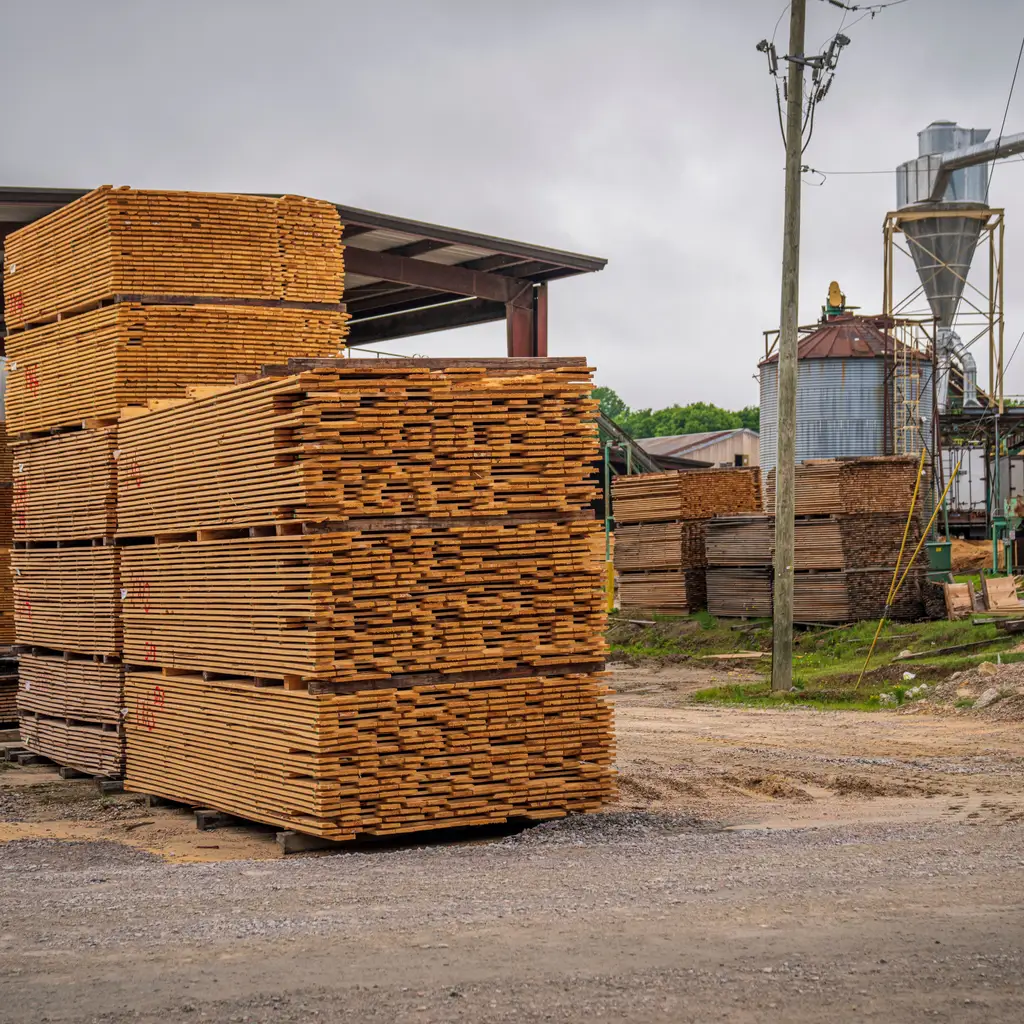
You turn logs into lumber through your mill's actual debarking, sawing and any drying stages. Moving stock and high-speed saws put workers at risk, while dust, process heat and outdoor log or lumber values can expose several stages of production to one fire.
The Southern Agency can review your mill operations and log inventory to help select appropriate insurance. For example, we can help you clarify how coverage for a kiln fire differs from a liability claim concerning a customer's dissatisfaction with a lumber grade.
Sawdust, bark, and slash can contribute to fire around kilns, conveyors, electrical equipment, and yard storage. Assess accumulations, ignition sources and protection with qualified specialists.
Headsaws, band mills, and edgers run at speed, exposing workers to amputation, kickback, and struck-by injuries on the breakdown line.
Log loaders, forklifts, and yard trucks moving across the site create collision, rollover, and struck-by exposures.
Dry kilns concentrate heat and can overdry, scorch, or ignite a charge, damaging both equipment and high-value lumber stock.
Outdoor log decks and stacked finished lumber represent large values exposed to fire, theft, and weather damage.
Lumber sold by grade can draw buyer claims if pieces are mis-graded or carry moisture defects that affect performance.
A headsaw, debarker, or main-conveyor failure can stop dependent stages. Map line configuration, spare capacity, and the repair and restart period before reviewing interruption terms.
Policies to ask about. Which ones fit depends on your operations, your contracts, and the carrier’s forms.
These hypothetical examples are not agency claim results. Whether a loss is covered depends on the facts, policy terms, and applicable exclusions.
Hypothetical: a fire spreads through an outdoor log deck, burns customer logs and damages the mill building. Commercial property coverage may respond where the location, owner’s interest, and fire cause are insured. A building limit does not automatically include outdoor or customer-owned stock, and business income has separate purchased terms, limits and conditions.
Hypothetical: a sawyer suffers a serious hand injury on the breakdown line and needs treatment and time away from work. Workers’ compensation may provide qualifying medical, rehabilitation, and wage benefits. The employer, worker status, task, and applicable state rules matter; follow the applicable injury-reporting requirements rather than assume a mill property or customer-liability policy provides those benefits.
Hypothetical: a wholesaler rejects lumber alleged to be below the promised grade and demands replacement and compensation for delivery delays. Product liability may be relevant to a covered injury or property-damage allegation, but rejecting or replacing the mill’s own boards does not by itself establish covered harm. Compare own-product, impaired-property, and contract restrictions and any withdrawal terms; a grade promise is not an insured performance guarantee.
Start with the work you do and the questions your current policies leave unanswered. Carrier options depend on your location, risk, and underwriting. Explore our approach.
Review fire and dust conditions across the yard, mill, and any kilns with qualified specialists, alongside saw injuries, mobile machines, and grade commitments. Compare actual property causes, stock values, and purchased income terms. Housekeeping and suppression help describe the site; neither establishes every loss covered.
Describe each log deck and lumber stack, owner, location, drying stage, and peak value. Review covered causes and valuation, outdoor weather restrictions, and customer-property terms. A mill building limit does not itself establish full yard-stock protection.
List machines and attachments, ownership or rental, value and yard, road or off-site use. Review actual equipment causes and restrictions separately from internal breakdown, damage to logs or lumber and injury liability. A machine schedule does not cover all those interests.
A buyer may allege injury or other-property damage, or merely demand regrading, replacement, a refund, or delay costs. Keep the represented grade, moisture, intended-use, and acceptance records. Compare product, own-product, impaired-property, and contract terms and withdrawal expenses; a grade dispute alone is not proof of insured harm.
Identify the covered internal saw, debarker, conveyor, or kiln-system event and any stock and income extensions purchased. Check repair and restart time, waiting and restoration periods. Wear, ordinary drying defects and late-delivery penalties are separate from the covered machine event.
Headsaws, band mills, edgers, conveyors, and yard machines can cause severe injury. Describe employers, worker status, work states, and sawing, kiln, loading, cleaning, maintenance, and driver duties. Applicable requirements and qualifying medical, rehabilitation, and wage benefits follow those facts and state rules.
Bring your questions, current policies, and relevant contracts. An agent can review coverage terms, exclusions, and the information carriers ask for, then explain the options available to you.