

Device malfunction affecting patients
A failed monitor, inaccurate sensor, or defective component used in care can contribute to patient harm and serious liability claims.
Try a different word, or check the spelling.
Your field update can correct device software without resolving who pays for retrieval, replacement, or a patient's injury claim. Product, technical-service and cyber terms need to distinguish those duties from the fact that regulatory reporting is required.
The Southern Agency can help you address the complex interaction of device software, cyber security, and manufacturing precision.
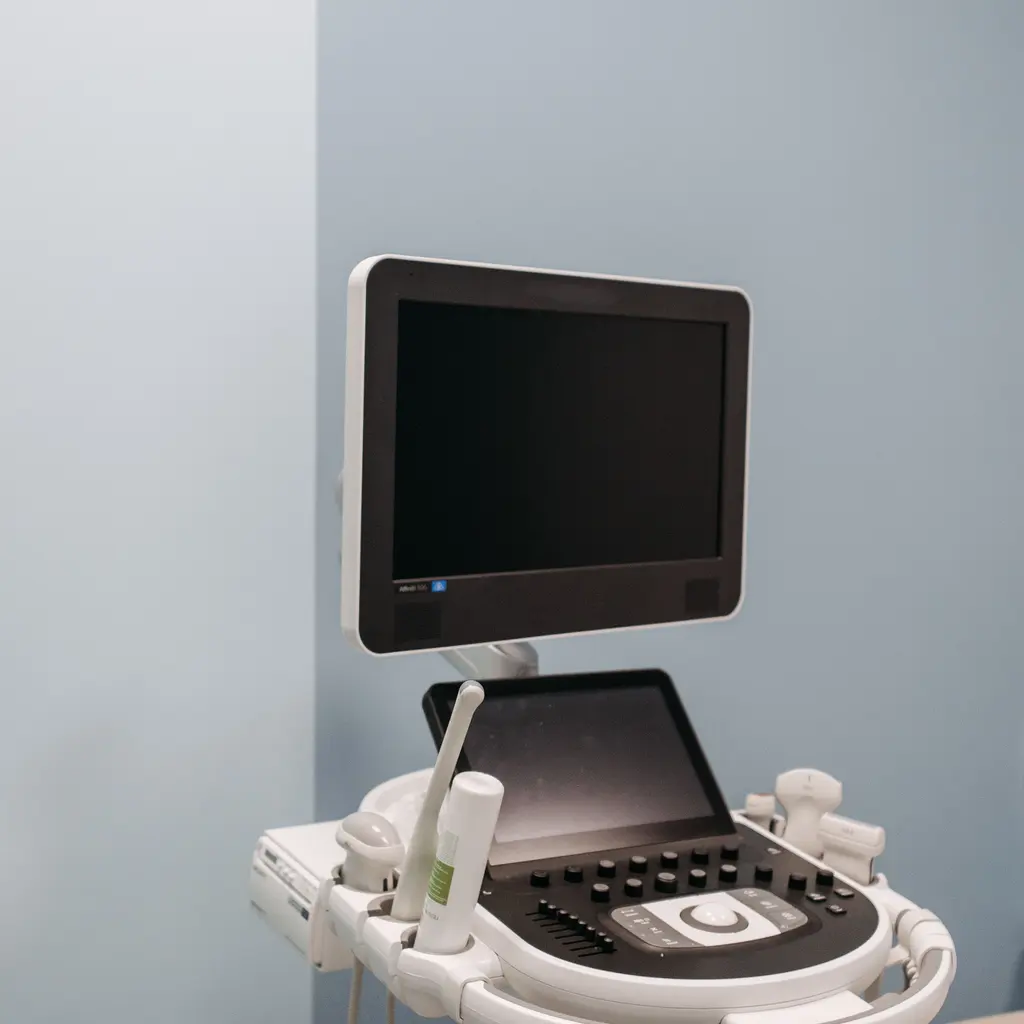
You design and manufacture diagnostic or monitoring devices that require firmware and clinical precision. Errors in software or hardware can have serious consequences for patient safety in healthcare settings.
The Southern Agency can review your design, assembly, and remote-service responsibilities to help you select appropriate insurance. For example, we can help clarify how cyber liability, product liability, and professional liability interact regarding device software.
A failed monitor, inaccurate sensor, or defective component used in care can contribute to patient harm and serious liability claims.
Firmware, algorithm or device-design errors can affect clinical performance. Patient injury, financial loss, and correcting deployed software raise different liability and expense questions.
A device problem can require recall or field correction and regulatory reporting. Those duties do not establish reimbursement of retrieval, updates, replacement, or other remedial costs.
Devices that capture or transmit patient data create privacy and cyber exposure if data is breached or mishandled.
Clean or controlled assembly areas and sensitive components can be compromised by contamination, fire, or environmental upset.
Precision test equipment, components, and finished devices represent concentrated value vulnerable to fire, water, and theft.
Mistakes in instructions, labeling, or validation records can lead to misuse claims and regulatory findings.
Policies to ask about. Which ones fit depends on your operations, your contracts, and the carrier’s forms.
These hypothetical examples are not agency claim results. Whether a loss is covered depends on the facts, policy terms, and applicable exclusions.
A patient monitor fails to alarm and the patient is alleged to have been harmed. Product liability may respond to defense and damages, depending on policy terms and the facts of the incident. Identify the device and alleged patient injury. Replacing monitors or installing a field update is a separate expense from defending the injury claim.
A software defect produces inaccurate diagnostic readings across deployed devices. Establish whether anyone alleges patient injury or damage, or only financial loss and the need for field corrections. Compare the design and software activities insured, injury exclusions, and relevant reporting dates. A professional-policy label alone does not establish a response.
A connected device exposes protected health information to attackers. A cyber policy may respond to breach response and privacy liability, depending on the specific policy and endorsements. Establish whose system and data were affected and which response and liability sections apply. Patient injury, device correction, and security updates need separate review.
Start with the work you do and the questions your current policies leave unanswered. Carrier options depend on your location, risk, and underwriting. Explore our approach.
Start with the device and services you provide, not a rule that two policies always fit. Hardware and software can both be involved in a patient injury. Check the activities insured and injury exclusions in each form, alongside claims-made dates where relevant.
Explain who collects patient data, manages access, and supplies updates. Compare response costs for your own systems with liability for an event involving a clinical customer. Privacy obligations and policy coverage depend on those roles; cyber cover does not automatically include patient injury or device repair.
Ask for the terms, if offered, for your particular devices and field-correction duties. Check the triggering event, covered expenses, consent, and limits. A recall obligation or a product liability policy does not establish reimbursement for retrieving, updating, or replacing devices.
The clinical function and possible patient harm help inform a limits discussion. Compare the devices covered, aggregates, underlying policies, and excess exclusions. Additional capacity does not necessarily extend professional, cyber, or recall protection, and no particular limit is guaranteed available.
Bring the classification, regulatory route, design responsibilities, and quality records relevant to your products. These help an individual assessment but do not guarantee insurance terms. Registration, approval, and compliance are separate questions for qualified regulatory advisers.
Describe device functions, clinical uses, sales, design responsibilities, data handling, claims, and field-correction history. Property values and testing arrangements also matter. Those facts support an individual quotation; a device class or quality certification alone does not determine price.
Bring your questions, current policies, and relevant contracts. An agent can review coverage terms, exclusions, and the information carriers ask for, then explain the options available to you.