

Maritime worker injuries
Fitters, welders, and painters face falls, confined-space, and handling hazards. Duties, locations, employer, and vessel-crew status require qualified state and maritime employment review.
Try a different word, or check the spelling.
A fitter in your yard and a crew member on a trial may fall under different worker arrangements. Employment, hull, and liability protection must identify duties and vessel stage, rather than rely on a generic maritime endorsement.
The Southern Agency can help evaluate your yard's maritime liability and vessel construction risks.
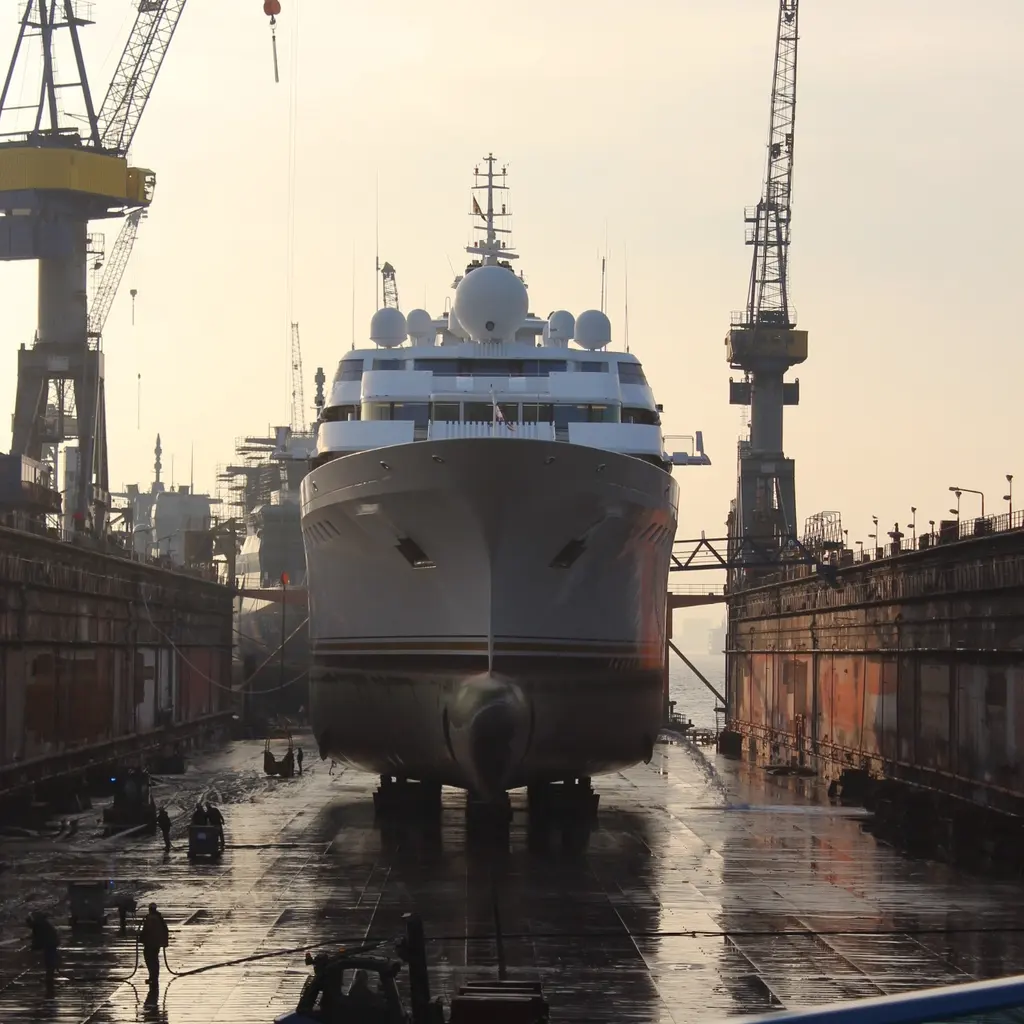
You build and outfit commercial or government vessels, working with steel, aluminum, and various propulsion systems. The combination of waterfront environments, heavy lifting, and hot work poses unique safety and regulatory challenges.
The Southern Agency can review your shipbuilding stages and maritime employment arrangements to help select appropriate insurance. For example, we can help you navigate the specific worker protections required for yard employees and how they differ from general liability or hull interests.
Fitters, welders, and painters face falls, confined-space, and handling hazards. Duties, locations, employer, and vessel-crew status require qualified state and maritime employment review.
Fuel, solvents, coating materials, or contaminated blasting residue can reach soil or harbor water. Identify substances, release paths, site history, and disposal duties.
Hot work, fuels and flammable coating or cleaning materials where used can start a fire. Vessels under construction and yard buildings may involve different owners and terms.
Identify owned and customer vessels under construction, repair if provided, launch or trial. Custody and contractual risk may differ from title and need explicit marine terms.
Crane, dock-pump or lifting-system failure can stop work or endanger people. Identify the failed machinery separately from dock structures and any vessel damage.
Grounding, collision or capsize can occur during launch or trials. Describe operators, crew, trial area, ownership, and acceptance stage before comparing hull and liability interests.
A delivered hull, system or fitting can draw defect allegations. Separate resulting injury or other-property damage and loss of use from correcting your vessel, warranties, and withdrawal.
Policies to ask about. Which ones fit depends on your operations, your contracts, and the carrier’s forms.
These hypothetical examples are not agency claim results. Whether a loss is covered depends on the facts, policy terms, and applicable exclusions.
A fitter is injured in a fall from staging on a hull under construction. Establish the employer, duties, work location, and any vessel connection, then obtain qualified advice on applicable state or maritime law and the matching policy. Neither the staging location nor the shipyard name determines Longshore or seaman status.
Paint solvents enter the harbor during outfitting and cleanup is ordered. Identify the substance, site, release and prior conditions and review pollution response, consent and reporting. An order does not itself establish insured remediation, regulatory defense, routine compliance costs, or fines.
A gantry crane fails during a lift and work on a vessel stops. Establish the failure cause and machinery included, then review repair and purchased income terms, waiting and restoration periods. Review vessel damage, if any, separately from crane repair and the yard’s income claim. Customer delivery penalties also need their own policy review.
Start with the work you do and the questions your current policies leave unanswered. Carrier options depend on your location, risk, and underwriting. Explore our approach.
Have the employer, duties, work locations, and vessel connections reviewed by qualified advisers. Longshore benefits and Jones Act seaman claims concern different worker categories; state coverage and statutory exclusions, including recreational-vessel rules, also matter. A state policy, waterfront address or generic maritime endorsement does not settle status or every obligation.
Declare actual solvents, coatings, fuels, blasting residue, and disposal duties, with land and water release paths and site history. Check conditions, cleanup and third-party terms, prior conditions, consent and reporting. A waterfront project or cleanup order does not assure every response, permit cost or fine is insured.
Identify whose vessel it is and whether it is on the ways, in dock, afloat, under repair, launching or on trial. Review marine-construction, hull, and custody wording, values, causes, and acceptance boundaries with the insurer. The names property and general liability do not establish protection for every stage.
List each structure and machine, owner, value, use, and cause of failure. Compare property causes with internal equipment failure and purchased income terms, waiting and restoration periods. Damage to a vessel during a lift, a dock structure and the failed crane itself can require different provisions.
Yes. Keep design, supplier, testing, launch and acceptance records and identify when injury, damage or loss of use is alleged. Review delivered-vessel and services terms, own-product, own-work, impaired-property, and watercraft restrictions. Repairing your ship, meeting a performance warranty and withdrawing other vessels are separate costs.
Consider credible worker, visitor, launch, collision, and pollution scenarios and the buyer’s requests. Check which underlying maritime employer, vessel and yard liabilities the excess actually follows, its attachment and exclusions. Higher limits do not replace omitted marine, worker, hull or pollution terms.
Bring your questions, current policies, and relevant contracts. An agent can review coverage terms, exclusions, and the information carriers ask for, then explain the options available to you.