

Over-water worker injuries
Crews on barges, piers and pilings face drowning, fall and struck-by hazards.
Try a different word, or check the spelling.
Your floating crane is not just a shoreside machine moved onto the water. Vessel, equipment and crew protection need to reflect the actual waterfront operation rather than rely on a general contractor's policy alone.
The Southern Agency can help you address the unique property and liability exposures of marine construction.
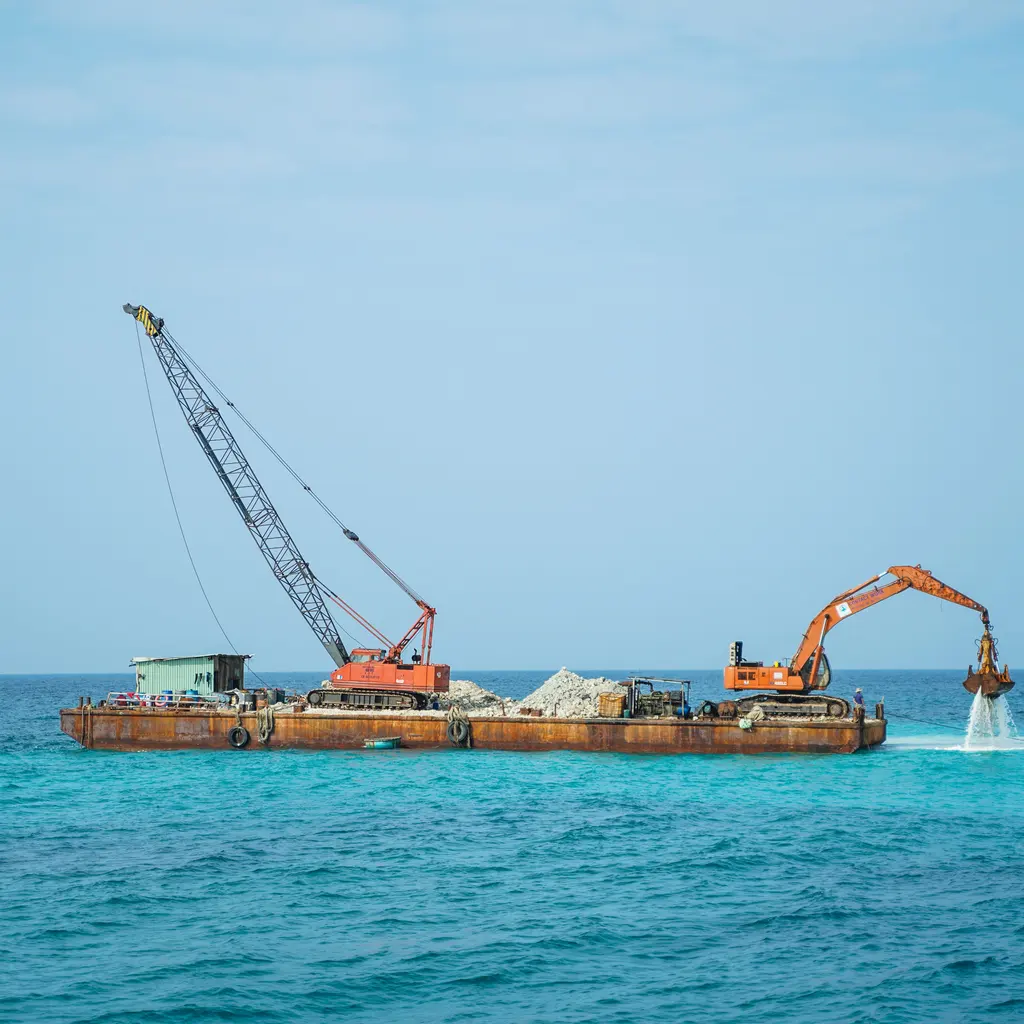
You build docks, piers and bulkheads from shore or floating plant, with equipment, crews and neighboring vessels sharing the waterfront. A swinging load can strike another boat, pile work can disturb sediment and rising water can damage unfinished sections before handoff.
The Southern Agency can review your waterfront duties and vessel arrangements to help choose insurance. We can separate hull and gear interests from contractor liability, examine actual worker status, including diving if performed, and compare accepted storm and sediment terms with your project responsibilities.
Crews on barges, piers and pilings face drowning, fall and struck-by hazards.
Actual duties, work locations and vessel connections can raise different state, Longshore or vessel-crew obligations. A standard state policy or generic maritime endorsement does not establish every worker's protection.
Pile driving and barge operations can strike boats, neighboring docks, or shoreline structures, leading to liability claims.
Driving piles, excavating, and disturbing the seabed can release sediment or contaminants into protected waters.
Barges, floating cranes, and pile drivers face sinking, capsize, collision, and storm-damage exposure.
Partially built docks, piers, and bulkheads can be damaged by storms, surge, or high water before completion and turnover.
Policies to ask about. Which ones fit depends on your operations, your contracts, and the carrier’s forms.
These hypothetical examples are not agency claim results. Whether a loss is covered depends on the facts, policy terms, and applicable exclusions.
Hypothetical: a barge-mounted pile driver swings into a moored vessel. Accepted contractor or vessel-liability terms may address covered damage based on operator, charter and work roles. Review watercraft/custody restrictions; a strike alone does not establish ordinary GL response or fault.
Hypothetical: surge damages a partly built pier. Project-property terms may address covered physical loss if the actual surge/flood cause, pier interest, work stage and period are included. Identify who arranged protection and separate structure restoration from floating plant, lost production or correcting deficient work.
Hypothetical: a worker is injured on a barge. State or Longshore terms may provide qualifying benefits if duties, location and vessel connection meet applicable law and policy. Vessel-crew remedies are separate; being on a barge alone does not establish Longshore status or a sufficient endorsement.
Start with the work you do and the questions your current policies leave unanswered. Carrier options depend on your location, risk, and underwriting. Explore our approach.
State workers' compensation or Longshore terms may provide qualifying employee benefits, but they are not interchangeable with vessel-crew remedies under the Jones Act. Actual duties, location and vessel connection govern the review. A state policy or generic maritime endorsement does not settle status, and over-water location alone is not the test.
Hull or property terms may address covered damage to insured craft, vessel liability may address covered harm to others, and contractor equipment terms may protect insured gear. Identify owned or chartered craft, operators, afloat gear, and contractual responsibilities, then check sinking, capsize, storm, and custody terms. One paired schedule does not establish all three interests are covered.
Environmental terms may address covered cleanup or third-party claims from included sediment, contaminant, or fuel releases. Review actual disposal, sites, permit duties, accepted operations, and reporting. Neither environmental project work nor a cleanup order establishes all pollutant, fine or compliance costs as insured.
Identify who arranges project-property coverage and the included structure, values, stages and insured period. Storm, surge, flood, wave and theft terms must be checked rather than assumed from a builders risk label. Existing dock property, floating machinery, deficient-work correction and delay need separate review.
Vessel, worker and adjacent-property harm can be severe, and excess terms may add limits above covered underlying liabilities. Check accepted operations, scheduled policies, attachment, exclusions, and contracts before choosing limits. Excess does not automatically add missing maritime employer, vessel or pollution cover.
Read the actual public/private contract and obligee requirements. Performance and payment bonds address different bonded obligations, subject to terms and surety approval; neither is the contractor's vessel, worker or storm insurance.
Bring your questions, current policies, and relevant contracts. An agent can review coverage terms, exclusions, and the information carriers ask for, then explain the options available to you.