

Falling or detaching signs
An improperly mounted exterior sign that loosens or falls can injure pedestrians or damage vehicles and storefronts below.
Try a different word, or check the spelling.
Your bucket truck, the sign on its boom and a customer's sign awaiting repair involve different interests. Road, lift-operation, and custody terms should follow that work, separately from replacing a sign or honoring its warranty.
The Southern Agency can help evaluate your shop and installation risks.
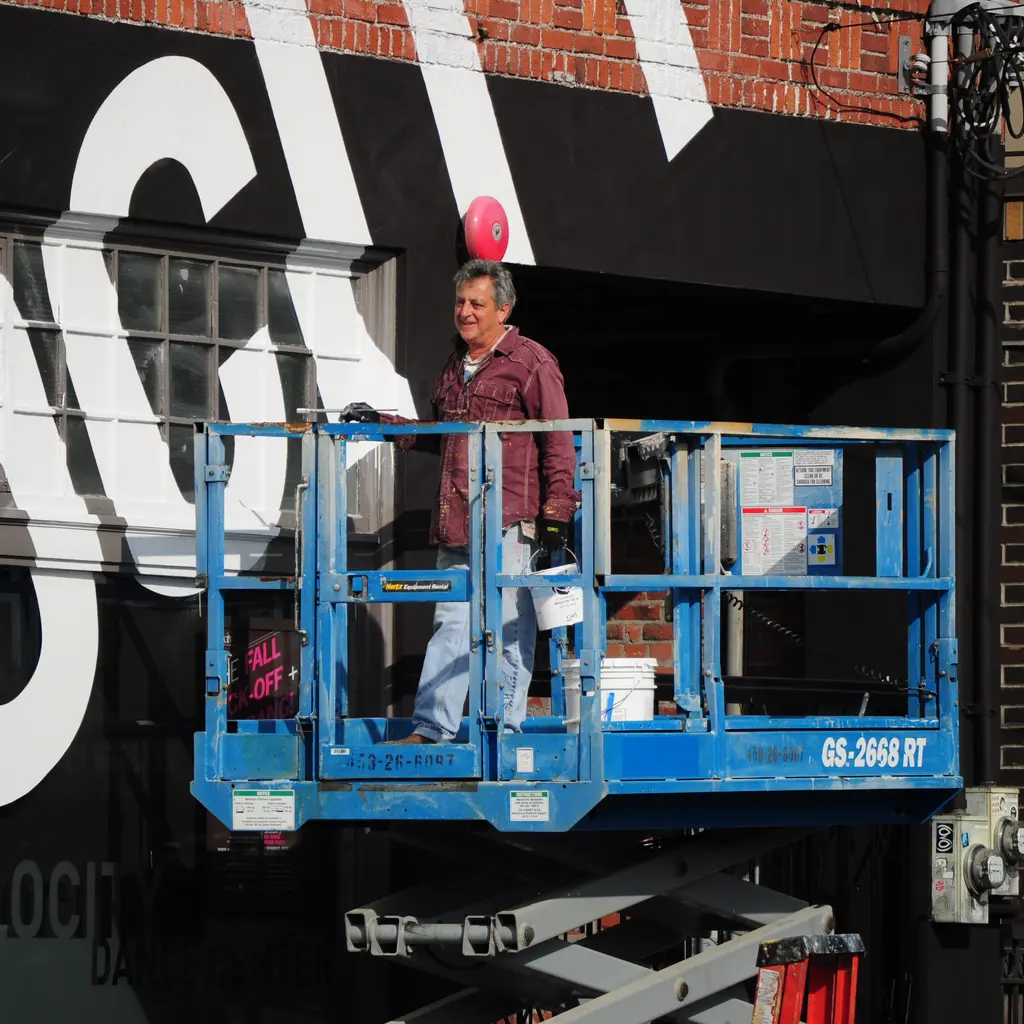
You fabricate signs, from shop cutting and assembly to wiring illuminated displays. If you also install or service them, mounting failures and electrical faults can cause injury or damage away from the shop, alongside the risks to your crews and equipment.
The Southern Agency can review your manufacturing and installation services to help select appropriate insurance. For example, we can help you differentiate between the liability for a sign installation failure and the protection needed for your shop equipment and bucket trucks.
An improperly mounted exterior sign that loosens or falls can injure pedestrians or damage vehicles and storefronts below.
Illuminated and LED signs carry wiring that, if defective, can overheat or short, leading to electrical fire or shock claims.
Crews using lifts, cranes and bucket trucks near traffic and buildings face falls and electrical hazards. The public below and the crew require different liability and worker-benefit consideration.
Paint booths, welding, and cutting can expose equipment and stored signs to fire. Finishing materials and fumes need their own assessment; internal machine failure is a separate cause of loss.
Finished signs and customer-owned signs awaiting repair can be damaged while stored, loaded, hauled, or hoisted. Loss of a customer’s sign may involve a custody interest separate from the equipment doing the lift.
Saws, routers, and material handling expose fabricators to lacerations, strains, and repetitive-motion injuries.
Trucks carrying oversized signs and installation crews face road collisions. Damage to the carried sign, truck or boom, and liability while operating the lift may involve different provisions.
Policies to ask about. Which ones fit depends on your operations, your contracts, and the carrier’s forms.
These hypothetical examples are not agency claim results. Whether a loss is covered depends on the facts, policy terms, and applicable exclusions.
An installed channel-letter sign loosens over time and falls onto a parked car, damaging it. The car damage is a potential products-completed operations claim, subject to the mounting work, damage date, and exclusions. Replacing the fallen sign or correcting other mounts is a separate cost from the damage below.
While mounting a sign from a lift, a crew member drops a tool that injures a passerby. General liability may respond to the covered third-party injury and defense costs. For a truck-mounted lift, the auto and mobile-equipment definitions and operating circumstances affect which policy responds; the passerby’s claim is different from a crew injury.
A fire in the shop’s finishing area damages equipment and finished signs awaiting delivery. Commercial property may pay covered repair and replacement costs according to the owners and values insured. Any production-income benefit depends on the income terms purchased; customer deadlines and the full value of late orders are not themselves the insured loss.
Start with the work you do and the questions your current policies leave unanswered. Carrier options depend on your location, risk, and underwriting. Explore our approach.
Fabrication can create a wiring or structural defect, while installation adds anchoring, lifting, and electrical work at the site. Products-completed operations and ongoing-work terms may address covered injury or damage to others. The scope must describe both jobs; repairing your own sign or meeting a warranty is a different obligation.
Transit protection depends on the insured signs, owners, values, and causes, not just the delivery truck. Establish who bears risk during loading, shipment, staging, hoisting, and acceptance, including customer signs held for repair. Cargo, tools and the lift itself may have different terms and limits.
A passerby’s injury may be a GL claim; an employee’s fall or shock involves worker-benefit rules. Damage to the sign or mounting surface is another issue. Declare working heights, electrical work, subcontractors, and lifts, and resolve the auto and mobile-equipment treatment of truck-mounted operation.
A wiring fault that causes fire, shock or other-property damage can give rise to product or completed-work liability. The failed component and your sign’s repair are different costs. Keep electrical assembly and installation records and identify any later service; a component fault alone does not establish that every resulting expense is insured.
Explain which vehicles and drivers haul signs and crews, including hired vehicles, and powered bucket or boom operation. Road liability and selected physical damage differ from carried-sign protection and equipment breakdown. Actual auto and GL definitions and schedules determine the truck and lift treatment.
The information needed includes shop size, equipment and finishing processes, sales and the illuminated-product mix. Installation heights, the vehicle and bucket-truck fleet, shop and field payroll, owned, and customer sign values and prior claims also matter. Include completed-work incidents. Terms and pricing depend on the operation and proposed coverage.
Bring your questions, current policies, and relevant contracts. An agent can review coverage terms, exclusions, and the information carriers ask for, then explain the options available to you.