

Dropped loads during hoisting
Lifting heavy sign cabinets over sidewalks and parking areas risks dropped loads that injure the public or damage property.
Try a different word, or check the spelling.
Your sign remains above the public after the lifting crew leaves. Liability for its anchoring and electrical work needs attention beyond protecting the crane or bucket truck used to put it there.
The Southern Agency can help you tailor your insurance program to the unique hazards of crane-assisted sign erection and electrical service.
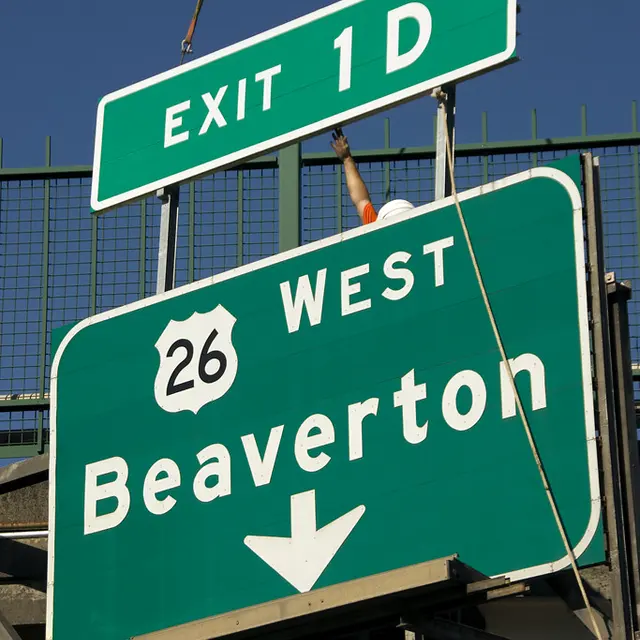
You perform rigging, electrical and structural work to install signs, often hoisting heavy cabinets over public walkways and roads. Electrical hazards and the potential for dropped loads during crane operations create long-term liability and immediate safety concerns.
The Southern Agency can help you review your sign erection and servicing operations to help you select appropriate insurance. We can clarify how your coverage handles crane-related exposures and help distinguish between damage to your lifting equipment and liability for the sign being hoisted.
Lifting heavy sign cabinets over sidewalks and parking areas risks dropped loads that injure the public or damage property.
Setting cranes on uneven ground or misrigging a load can cause tip-overs and serious site accidents.
Wiring illuminated signs from bucket trucks exposes crews to fall and electrical shock hazards.
A poorly anchored sign that later falls can cause injury and property damage, creating completed-operations claims.
Defective wiring in an illuminated sign can spark a fire, leading to property damage and liability claims.
Mounting signs and drilling into facades can damage a client's building or adjacent structures.
High-value cranes, bucket trucks, and lifts can be involved in accidents, break down, or be stolen between sites.
Policies to ask about. Which ones fit depends on your operations, your contracts, and the carrier’s forms.
These hypothetical examples are not agency claim results. Whether a loss is covered depends on the facts, policy terms, and applicable exclusions.
A sign cabinet slips during hoisting and falls toward a public sidewalk. Establish whether anyone was injured, other property was damaged, or only the lifted sign was harmed. General liability may address covered injury or damage to others, while the sign in the contractor’s custody needs a separate property-coverage check. A near miss alone is not proof of a payable liability claim.
An installer is injured wiring an illuminated sign from a bucket truck. Workers' compensation may respond to medical and wage costs, depending on policy terms and the circumstances.
A pylon sign comes loose after installation and damages a vehicle. Completed-operations coverage may respond, depending on policy terms and the facts of the loss.
Start with the work you do and the questions your current policies leave unanswered. Carrier options depend on your location, risk, and underwriting. Explore our approach.
A dropped sign near a sidewalk or road can cause a severe injury or damage several properties. Compare that exposure and the project’s written requirements with available liability and excess limits. No single higher limit is required for every sign contractor, and exclusions still matter.
General liability may respond to covered injury or resulting property damage from a completed installation. Check the anchoring and electrical work, damage, and claim dates, and completed-operations exclusions. Replacing the sign itself or performing warranty service is a separate issue, and later repair work should be disclosed too.
Disclose the electrical connections and lighting service you perform, including subcontracted work. Liability may respond to covered fire or injury, but the policy must include the operations and its exclusions still apply. Licensing and safe practices do not themselves establish insurance coverage.
Review vehicle liability and selected physical damage for the truck, then identify the treatment of the crane, boom, lift, and rigging equipment. Mobile-equipment definitions, schedules, and covered causes matter. A collision or theft policy does not automatically cover internal mechanical breakdown, and the sign on the hook is a separate property interest.
Fault and coverage require separate review. General liability may help with covered damage to a client’s building, but exclusions for the particular property being worked on or property in your custody can affect mounting losses. Identify the damaged facade or structure and the work underway rather than assuming every repair is covered.
Consider the severity of a crane, road or electrical liability claim and any written project limits. Check which underlying policies and operations the excess policy follows. An umbrella does not replace insurance for your lifting equipment or the sign being handled and does not automatically restore excluded liability.
Bring your questions, current policies, and relevant contracts. An agent can review coverage terms, exclusions, and the information carriers ask for, then explain the options available to you.