

Chair and mechanism failure injuries
Gas-lift cylinders, tilt mechanisms, and powered sit-stand actuators can fail under normal use and injure office workers, driving product liability claims.
Try a different word, or check the spelling.
Your corporate contract may keep warranty obligations running after the furniture is delivered. Liability for an injured user is a separate need from repairs, replacement, and dealer installation duties.
The Southern Agency can help you manage the liability, transit, and property risks associated with your office furniture production and distribution.
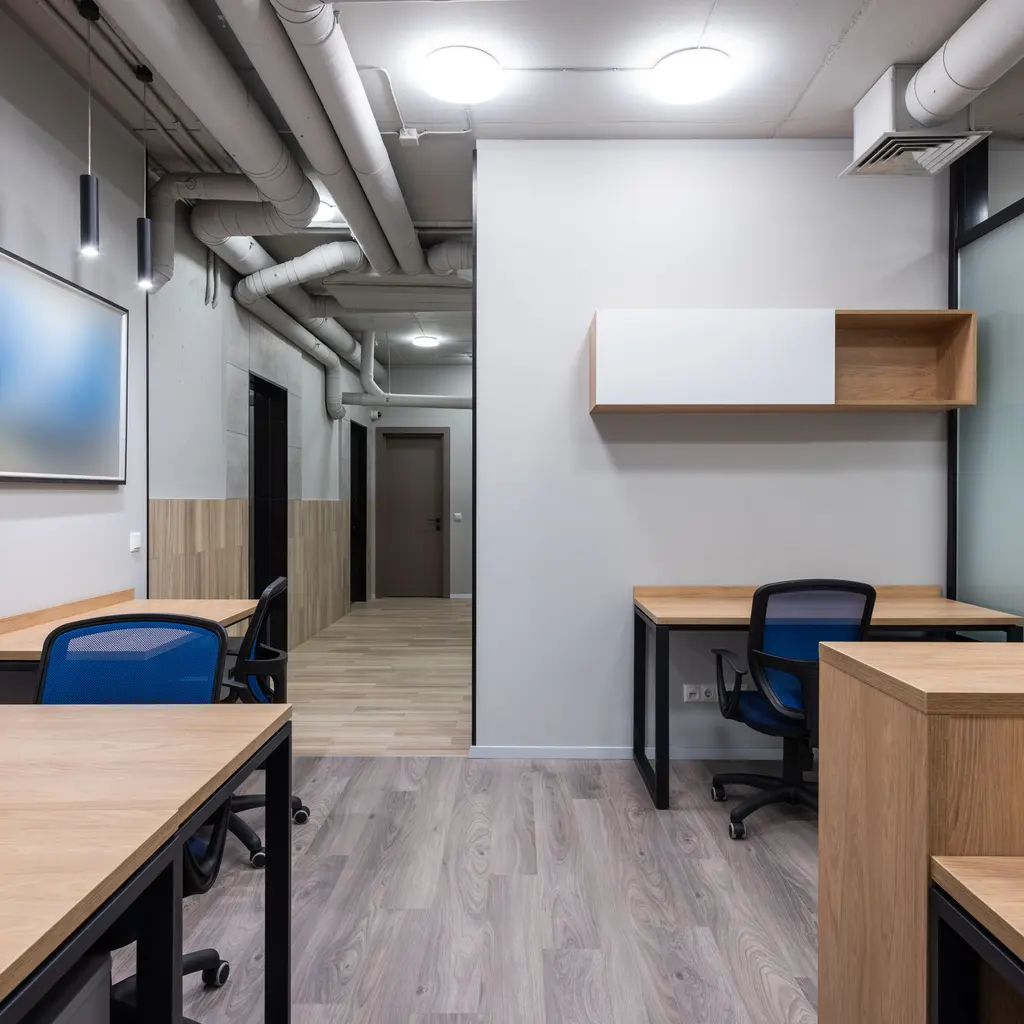
You build chairs, desks or workstations that may combine wood, metal and powered controls. A failed lift or tilt mechanism can injure the user after delivery, while a plant fire or router breakdown can hold up dealer orders. Warranty promises bring different costs from an injury claim.
The Southern Agency can review your manufacturing assembly and contractual obligations to help select appropriate insurance. For example, we can discuss how your coverage for product liability interacts with separate warranty or installation liabilities for dealers and end users.
Gas-lift cylinders, tilt mechanisms, and powered sit-stand actuators can fail under normal use and injure office workers, driving product liability claims.
Combining metal fabrication, woodworking, and laminating concentrates fire, dust, welding, and machinery hazards in one facility.
Multi-year warranties and corporate contract terms can expose the maker to repair, replacement, and indemnity demands.
Volume shipments of desks and workstations to dealers and offices face handling and collision losses in transit.
Press brakes, CNC routers, and finishing lines are production-critical, and a failure can stall dealer orders.
Cutting, welding, laminating, and lifting workstation components expose staff to lacerations, burns, and strains.
Policies to ask about. Which ones fit depends on your operations, your contracts, and the carrier’s forms.
These hypothetical examples are not agency claim results. Whether a loss is covered depends on the facts, policy terms, and applicable exclusions.
A gas-lift cylinder in a task chair fails and the user is injured. Product liability coverage may respond to the claim and defense costs, depending on policy terms and the facts of the incident. Separate the user’s injury from replacing the chair cylinder, fulfilling a warranty, or withdrawing other chairs.
A fire starts near the finishing line and spreads to wood and metal stock. Property coverage may help with the building and inventory loss, subject to the specific policy, endorsements, and exclusions. Review the covered fire, stock ownership, and valuation and any purchased income terms; unfinished-order sale prices and contract penalties are separate.
A pallet of sit-stand desks is damaged when a load shifts. Coverage for goods in transit may respond to the loss, depending on policy terms. Check the insured owner, packing and load-securing conditions, handling stage, and valuation; a shipment does not establish all carrier or installation liability.
Start with the work you do and the questions your current policies leave unanswered. Carrier options depend on your location, risk, and underwriting. Explore our approach.
Chairs and workstations bear weight and include moving parts that can fail and injure users. Product liability may respond to such claims, with terms depending on underwriting and the facts.
Bring the buyer’s actual limits, additional-insured requests, indemnity, and installation terms. Compare those requirements with the issued policies and endorsements. A contract or certificate does not add coverage or guarantee an available program that meets every condition.
A warranty may require repairing a lift mechanism or replacing a chair even when no one is injured. Product liability for resulting injury or damage does not itself pay to fulfill that promise. Review warranty, own-product, and recall costs separately from liability and any customer indemnity.
Identify the internal press-brake, router or finishing-equipment failure and compare purchased breakdown and income terms with repair and restart time. Normal tool wear, a bad batch, and a dealer’s late-order charge do not establish coverage.
Combining metal and wood operations concentrates fire and dust hazards. Property coverage and strong controls may help, though limits and availability depend on underwriting.
Identify the owner, carrier and point of acceptance and describe loading, staging and any on-site assembly. Check the goods policy’s stages, values, and conditions. Carrier liability, damage to your furniture and damage caused while installing it are different questions.
Bring your questions, current policies, and relevant contracts. An agent can review coverage terms, exclusions, and the information carriers ask for, then explain the options available to you.