

Nailing line injuries
Nailers, notchers and resaws expose staff to puncture, cutting, and pinch-point injuries. Describe feeding, repair, de-nailing, jam clearing, and maintenance as well as normal assembly.
Try a different word, or check the spelling.
Your returned pallet may carry damage, residues or old fasteners from work you did not see. Product and yard protection should reflect inspection and repair duties, with customer freight, rejected load ratings, and any export-treatment responsibilities kept distinct.
The Southern Agency can help you evaluate the property and liability risks of your pallet and crate manufacturing operation.
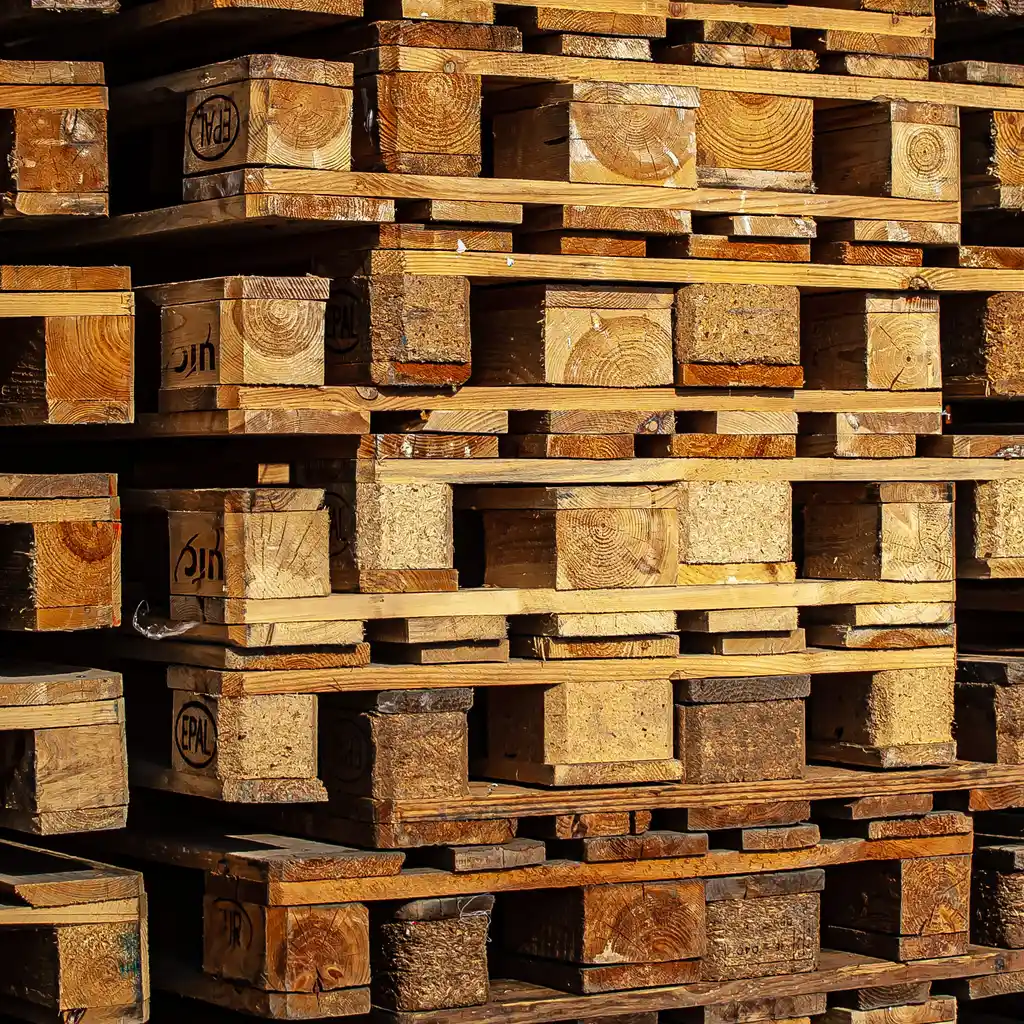
You build or repair pallets and crates using saws, nailers and forklifts. Lumber, returned units and cull piles can feed a yard fire, while a pallet failure can damage the freight it carries. Customer-owned or pooled units add a separate ownership question to your stock review.
The Southern Agency can review your yard storage, equipment, and delivery operations to help you select appropriate insurance. For example, we can help distinguish between damage to your lumber stock versus your liability if a pallet collapse damages a customer's shipment.
Nailers, notchers and resaws expose staff to puncture, cutting, and pinch-point injuries. Describe feeding, repair, de-nailing, jam clearing, and maintenance as well as normal assembly.
New units, returned pallets, culls and sawdust can feed a fire near buildings or adjoining property. Bring stack layout, peak quantities, dust collection, housekeeping, and fire-protection details for qualified assessment.
Forklifts moving lumber and finished stacks can strike people, overturn or damage loads. Trace yard, dock and truck-loading duties and identify the owners of the machine, pallet, and freight.
A collapse may involve pallet construction, repair, the represented load, packing, stacking, or handling. Damage to customer freight differs from a rejected load rating, replacing units, or paying a late-shipment charge.
Returned units may carry protruding nails, splinters, residues, or damage from unknown prior use. Explain inspection, repair and acceptance decisions; suspected contamination, actual harm, and withdrawing units need separate review.
For export packaging, establish destination requirements, treatment responsibility, authorized marking, and repaired-unit handling with the appropriate inspection program. Heat treatment and chemical wood preservation serve different purposes; insurance does not certify a mark.
Fire or weather can damage lumber, stacks, and machinery where the cause and location are insured. Internal machine damage, spoiled stock, quality rejection, and lost production have different triggers and values.
Policies to ask about. Which ones fit depends on your operations, your contracts, and the carrier’s forms.
These hypothetical examples are not agency claim results. Whether a loss is covered depends on the facts, policy terms, and applicable exclusions.
A pallet allegedly collapses under stacked freight and breaks a customer's goods. Product liability may help defend and pay the covered resulting-damage claim. Establish the construction or repair fault, represented load and stacking or handling facts. Replacing the pallet, retrieving other units, and paying delivery penalties require separate terms.
A fire spreads through cull lumber, burns returned, and finished pallets and damages the building. Property may help repair or replace insured interests at the covered yard and building. Identify customer or pooled units and outdoor-stock values; purchased income terms govern any interruption rather than the value of every delayed order.
An assembly-line worker suffers a nail puncture and needs treatment and time away from work. Workers compensation may provide qualifying medical and wage benefits under applicable state rules. Confirm employer, worker status, assembly duties, and reporting requirements; damage to the nailer or the order being made is a separate loss.
Start with the work you do and the questions your current policies leave unanswered. Carrier options depend on your location, risk, and underwriting. Explore our approach.
A collapsed pallet or crate can damage customer freight or injure someone. Identify construction or repair, the represented load, contents and packing or handling cause. Review resulting harm separately from replacing units, load promises, repacking, withdrawal, and delay charges. Entrusted freight also needs custody and worked-on review.
Describe inspection, de-nailing, repair, remanufacture, and acceptance of returned units, including residues or unknown prior use. Declare those activities and identify the owner. Employee injury, damaged customer goods, a rejected unit, and a contamination-related withdrawal require different facts and terms.
List yard locations and peak lumber, returned, repair, and finished stock values by owner, including pool or customer units. Compare covered fire, theft and weather causes, valuation and outdoor-stock limits. A shop building limit does not itself insure every stack or borrowed pallet.
Establish destination requirements and authorized treatment, marking, and repair procedures with the appropriate inspection program. You may buy treated material, treat or use an outside facility. Covered damage to treatment equipment differs from a wrong cycle, missing mark, rejected shipment, or retreatment cost; ordinary property or breakdown does not prove those financial losses insured.
Describe the yard stacks, culls, dust collection, ignition sources, housekeeping, and fire protection for qualified assessment. Property may help with damage from a covered fire to insured owners' stock and buildings, and income needs its purchased terms. Controls inform assessment rather than guarantee terms or payment.
List trucks, drivers, routes, returned-unit collection, forklifts, and loading or unloading duties. Compare covered road liability and vehicle damage with direct pallet or freight interests and carrier responsibility. Auto insurance does not by itself cover every load, dock activity or missed delivery.
Bring your questions, current policies, and relevant contracts. An agent can review coverage terms, exclusions, and the information carriers ask for, then explain the options available to you.