Skip to content

Yarn Spinning Mill Insurance

Your spinning department can wait on carding, roving or a shared drive even when its own machines are intact. Breakdown and income terms should follow those dependencies, separately from missing fiber, an off-count hold or the cost of replacing rejected cones.

The Southern Agency can review your fiber, production dependencies and stock ownership with you, including selected repair, income and liability terms.

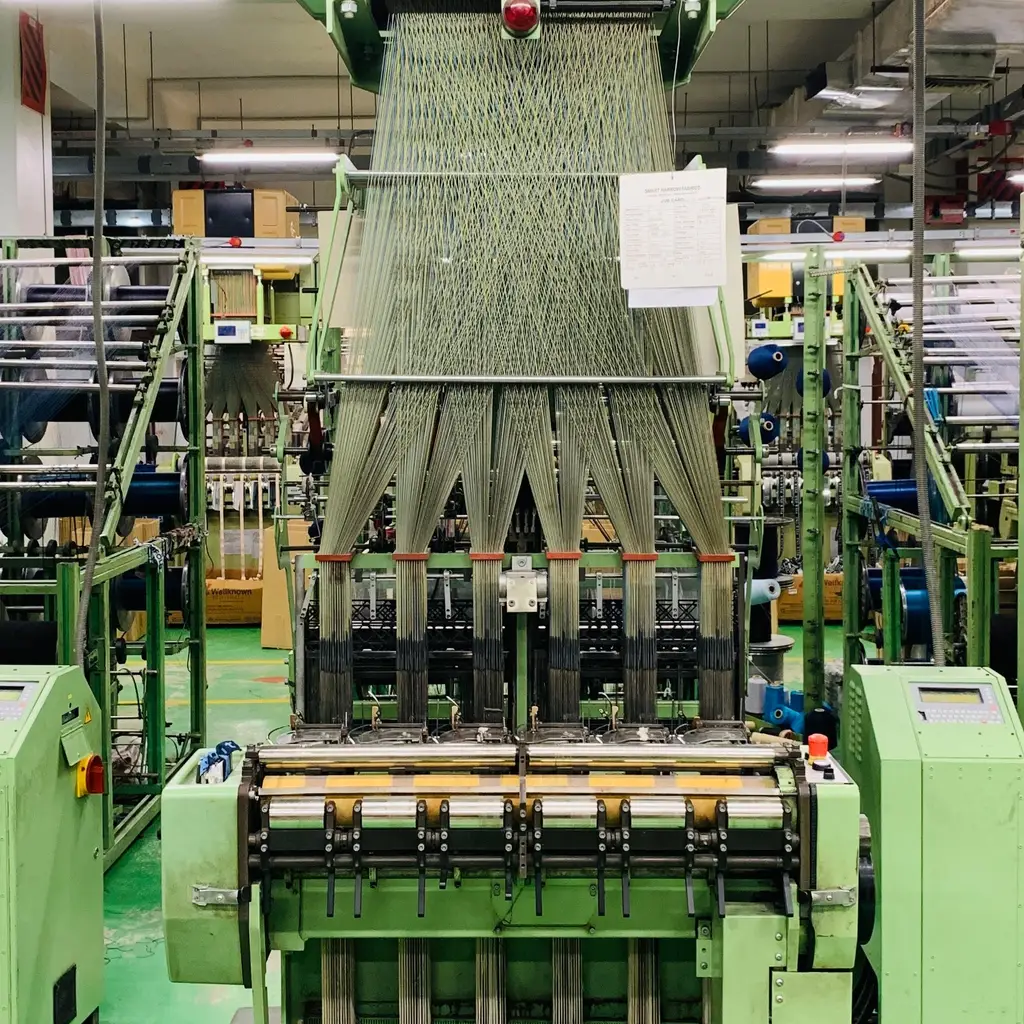
Fiber strands feed through a textile mill machine's guides and roller bank.

Industry overview

You process raw fibers through carding and spinning lines to create yarn, with material moving through storage and production areas. Fire involving lint or a failure in spinning machinery can damage your equipment and halt your ability to fill orders.

The Southern Agency can help you assess your production dependencies and liability risks to select appropriate insurance. We can discuss, for instance, how to distinguish between machine repair costs and the financial protection provided for business interruption.

Risks worth discussing

Combustible fiber dust and explosion

Opening and carding can release lint and fine particles onto machinery and into collection ducts. Have qualified specialists assess the actual material, dust characteristics, accumulations, and ignition sources; cotton, wool, and synthetic blends do not have one uniform hazard profile.

Spinning frame and carding breakdown

Identify shared drives, carding, roving, and spinning capacity and the departments dependent on them. Internal damage, wear, incorrect settings and a yarn-quality hold are different reasons for output to stop.

Bale and finished yarn fire load

Fiber bales, work in process, and cones concentrate stock at different stages. Report the material, storage arrangement, owner, and peak amounts, including customer fiber and finished yarn.

Off-count or uneven yarn

A missed count, twist, evenness or strength can prompt rejection, replacement, and customer production demands. Establish any actual injury, damage to other goods or qualifying loss of use; a failed specification alone does not settle liability coverage.

Worker entanglement and dust exposure

Moving spindles and travelers create entanglement and repetitive-motion hazards. Include cleaning, threading, maintenance, and material handling, and obtain qualified assessment of actual dust and respiratory exposure rather than equate it with fire risk.

Mill-wide business interruption

A fire or damaged bottleneck can interrupt dependent opening, carding, roving, and spinning stages. Map repair, alternative capacity and restart; routine servicing, a missing fiber delivery and an off-count hold are separate causes.

Situations to think through

These hypothetical examples are not agency claim results. Whether a loss is covered depends on the facts, policy terms, and applicable exclusions.

  1. Hypothetical: Hypothetical: Dust fire in carding department

    Lint ignites in the carding area and fire damages nearby machinery and fiber bales. Property may help repair insured equipment and replace covered stock. Confirm the fire cause, location, stock owner, and valuation. Income protection, if purchased, has its own waiting period and restoration terms.

  2. Hypothetical: Hypothetical: Spinning frame failure halts output

    Internal electrical damage to a major spinning frame idles a production hall for several days. Equipment breakdown may help with eligible repair, and purchased income protection may address the resulting interruption. Check the damaged system, dependent capacity, and repair or restart time separately from wear, a yarn-quality hold, and customer delay penalties.

  3. Hypothetical: Hypothetical: Off-count yarn rejected

    A knitting customer rejects off-count yarn and demands replacement and compensation for an idle knitting line. The demand concerns quality and financial loss; no injury or damage to other goods is alleged. Separately offered manufacturers errors and omissions protection may help defend an eligible customer financial claim. Yarn replacement, refunds, reruns, and count guarantees still need their own terms.

Before you talk to an agent

What to have ready

Tick items as you gather them. Nothing here is saved or sent.

Questions to raise

  • Use actual fiber, fine-particle, and collector information for a qualified fire and dust assessment. Review cotton-dust health exposure separately from combustion conditions.
  • Map opening, carding, drawing, roving, and spinning stages, shared drives, and outside utilities. Estimate which output stops, alternative capacity and repair or restart time for the income extensions purchased.
  • Keep count, twist, evenness, strength, and end-use records with acceptance tests. Separate rejected yarn and an idle undamaged knitting line from injury or damage to other goods.
  • Value raw bales, material between stages, and finished cones by owner, location, and peak amount, including customer stock and outside processing.
  • Compare proposed BOP or other parts with actual mill duties and values, not headcount or the package name alone. Review customer requests and quality remedies against issued terms.

Contract terms to check

  • Allocate fiber ownership, blend and yarn specifications, spinning, outside processing, testing, and customer acceptance. Record who owns bales, yarn and tooling through each stage; customer material in your care needs custody and processing review.
  • Compare injury, other-property damage or qualifying loss of use with own-yarn replacement, refunds, customer reruns, impaired fabric or idle equipment, withdrawal and count or delivery guarantees. Any separately offered manufacturers financial-loss terms must include the actual products, duties, and loss.
  • Describe any separate blend selection, specification advice or other services beyond yarn supply. Review defined-services, manufactured-product, injury, property, and completed-work restrictions. Check prior acts and reporting where the offered form is claims-made; product and advice forms need not cover the same consequences.
  • Bring buyer limits, additional-insured requests, indemnities, recall or contamination remedies and machinery lease or finance schedules. Compare issued parts and endorsements, including purchased income and any utility protection. Certificates and supply promises do not amend cover or guarantee availability.

What the agent conversation looks like

Start with the work you do and the questions your current policies leave unanswered. Carrier options depend on your location, risk, and underwriting. Explore our approach.

  1. ListenReview your operations, current coverage, and past claims.
  2. AssessIdentify potential hazards and discuss ways to reduce risk.
  3. BuildDiscuss policy and carrier options, premium costs, and audits.
  4. SupportReview changes and help you plan ahead as your needs develop.

Questions owners ask

Why is combustible dust the top concern for spinning mills?

Lint around opening and carding equipment and in ducts can contribute to fire; dust-explosion potential depends on the actual material and conditions. Obtain qualified assessment of collection, accumulations, and ignition sources. Cotton-dust respiratory exposure needs its own workplace review. Fire controls inform underwriting but do not establish every loss insured.

How does equipment breakdown help a spinning mill?

Covered internal carding, roving, spinning or drive damage may qualify for repair. Compare purchased stock, income and extra-expense terms with dependent capacity, waiting periods, and repair or restart time. Worn parts, wrong settings and uneven yarn are different from an insured internal failure.

Are we liable if our yarn is off-count?

A knitter or weaver may seek replacement and lost-production costs without alleging injury or damage to other goods. Identify the claimed harm and the state of any fabric or equipment. Review own-product, impaired-property, professional, and contract restrictions and any separately offered manufacturers financial-loss cover. Quality rejection alone does not establish product liability benefits; guarantees and withdrawal are separate.

What inventory exposure should we plan for?

Report peak raw fiber bales, material between opening and spinning stages and finished cones, including customer materials and stock with outside processors. Check owners, locations, fire, and other covered causes, valuation, and processing restrictions. Off-count yarn and physical fire damage need different review.

Is a BOP suitable for a smaller mill?

A BOP can combine selected property, liability and income protection for eligible operations. Have the actual fibers, dust process, machinery, and stock values, locations, and duties reviewed against the offered form. Small size does not establish eligibility or include every breakdown, utility dependency, customer material or quality claim.

Can mill-wide downtime be insured?

Identify the covered fire or internal equipment event and the stages dependent on it. Purchased income, stock, extra expense, and any outside-utility terms have separate triggers, waiting periods and restoration limits. Routine servicing, quality holds and fiber shortages need their own cause-of-loss review. A missed customer order does not itself establish insured downtime.

Talk through your yarn spinning mill coverage

Bring your questions, current policies, and relevant contracts. An agent can review coverage terms, exclusions, and the information carriers ask for, then explain the options available to you.

How can we help you get started?

Choose the quote that fits, and we’ll take it from there.

Have a question? Contact us