

Knitting machinery breakdown
A knitting-bank failure can interrupt scheduled output; identify shared drives, utilities and available knitting capacity rather than assuming one machine always stops the whole mill.
Try a different word, or check the spelling.
Your dye cycle may depend on a boiler while several knitting banks have their own available capacity. Breakdown protection should fit the actual bottleneck, not assume one worn needle or an off-shade run means an insured millwide stoppage.
The Southern Agency can help you coordinate coverage for machinery bottlenecks, wet-process risks, and contract-based product requirements.
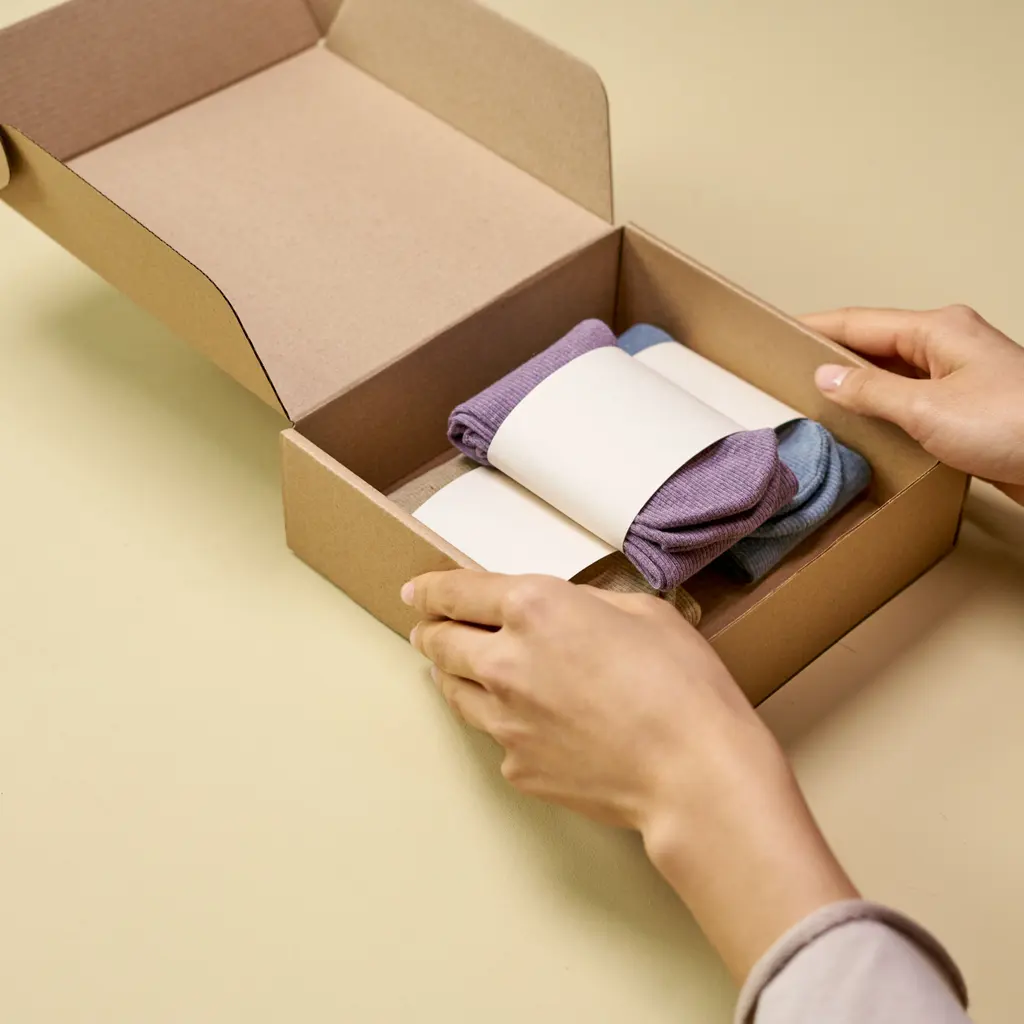
You knit socks, tights or stockings and may dye, board and finish them in house or send them to outside processors. A failed knitting bank or shared steam system can interrupt different parts of the schedule. Yarn stocks, wet work in process and any dye chemicals create separate fire, stock-loss and release concerns.
The Southern Agency can review your production shifts and chemical handling to help you select appropriate insurance. For instance, we can evaluate if your equipment breakdown coverage is configured for the dependency between knitting banks and dye vats.
A knitting-bank failure can interrupt scheduled output; identify shared drives, utilities and available knitting capacity rather than assuming one machine always stops the whole mill.
Boilers, dye vats, and boarding/finishing systems support output; an actual failure can interrupt steam or dye cycles and damage wet work-in-process.
Dyestuffs, finishing chemicals, and process water create environmental, wastewater-discharge, and burn-hazard exposures.
Yarn, finished hosiery, and packaging concentrate stock exposed to fire; actual fiber, storage arrangement, and values determine the loss review.
Machine operators and maintenance staff face entanglement, burns from steaming and boarding, and repetitive-strain injuries.
Because output depends on continuous machine uptime, a major loss can halt production and disrupt supply commitments.
Policies to ask about. Which ones fit depends on your operations, your contracts, and the carrier’s forms.
These hypothetical examples are not agency claim results. Whether a loss is covered depends on the facts, policy terms, and applicable exclusions.
A mechanical failure idles a bank of knitting machines for several days. Equipment breakdown may help repair covered internal damage, and purchased business income may address lost output, subject to the policy. Check the bank and shared dependencies, repair time and stock extensions; payment for all lost sales or replacement orders is not assured.
A process upset releases dye-laden water beyond permitted limits, prompting a regulatory claim. Environmental liability may help with covered response, cleanup or third-party harm from an accepted release, subject to the policy and exclusions. Ordinary treatment, noncompliance correction, reporting, and penalties need separate review; the regulatory claim alone does not prove payment.
A fire ignites in the yarn storage area and damages inventory and machinery. Commercial property may help repair equipment and replace damaged stock, depending on policy terms and facts. Check covered fire cause, ownership, peak yarn and finished-stock values, deductibles and any purchased income and restoration terms.
Start with the work you do and the questions your current policies leave unanswered. Carrier options depend on your location, risk, and underwriting. Explore our approach.
A failed knitting bank or shared boiler or boarding dependency can interrupt output and leave wet or unfinished hosiery. Compare insured internal failure, repair and restart time and purchased stock and income terms. Worn needles, dye-setting errors and delayed orders are not all covered events.
Describe dye and finish chemistry, wastewater routes, and site history. Compare releases, cleanup and third-party terms included separately from ordinary wastewater treatment, compliance and penalties. A discharge concern alone does not prove a covered environmental claim.
Report peak owned and customer yarn, wet work-in-process, and finished hosiery, including outside finishers. Compare causes, locations, and valuation; off-shade or rejected goods are not automatically a covered property loss.
A dye or finish reaction or injurious defect can raise product liability. Size, shrinkage and color complaints may instead concern own goods, refunds or rework. Distinguish injury or other-property damage from a rejected hosiery lot or withdrawal cost.
Review the covered property or internal-breakdown cause, purchased income extension, waiting period and restoration time for the knitting, steam and dye sequence. A quality hold, missing yarn supplier or missed retailer order alone does not establish covered lost revenue.
Check state employee requirements and actual knitting, maintenance, dye, boarding, and steam duties and payroll. Describe entanglement, burn and repetitive risks without promising every injury benefit or a universal rule.
Bring your questions, current policies, and relevant contracts. An agent can review coverage terms, exclusions, and the information carriers ask for, then explain the options available to you.