

Breaking-strength and load failures
A rated rope or sling that parts during use can injure a person or damage other equipment. Failed testing, weak unused spools, and replacing the maker's own cord are different loss questions.
Try a different word, or check the spelling.
Your sewing thread, marine cord and rated lifting sling do not have the same job to do. Product and stock protection should reflect the accepted applications and owners, separately from a failed strength test, unused weak spools, or a refund.
The Southern Agency can help you compare your manufacturing and transit exposures to find appropriate insurance coverage.
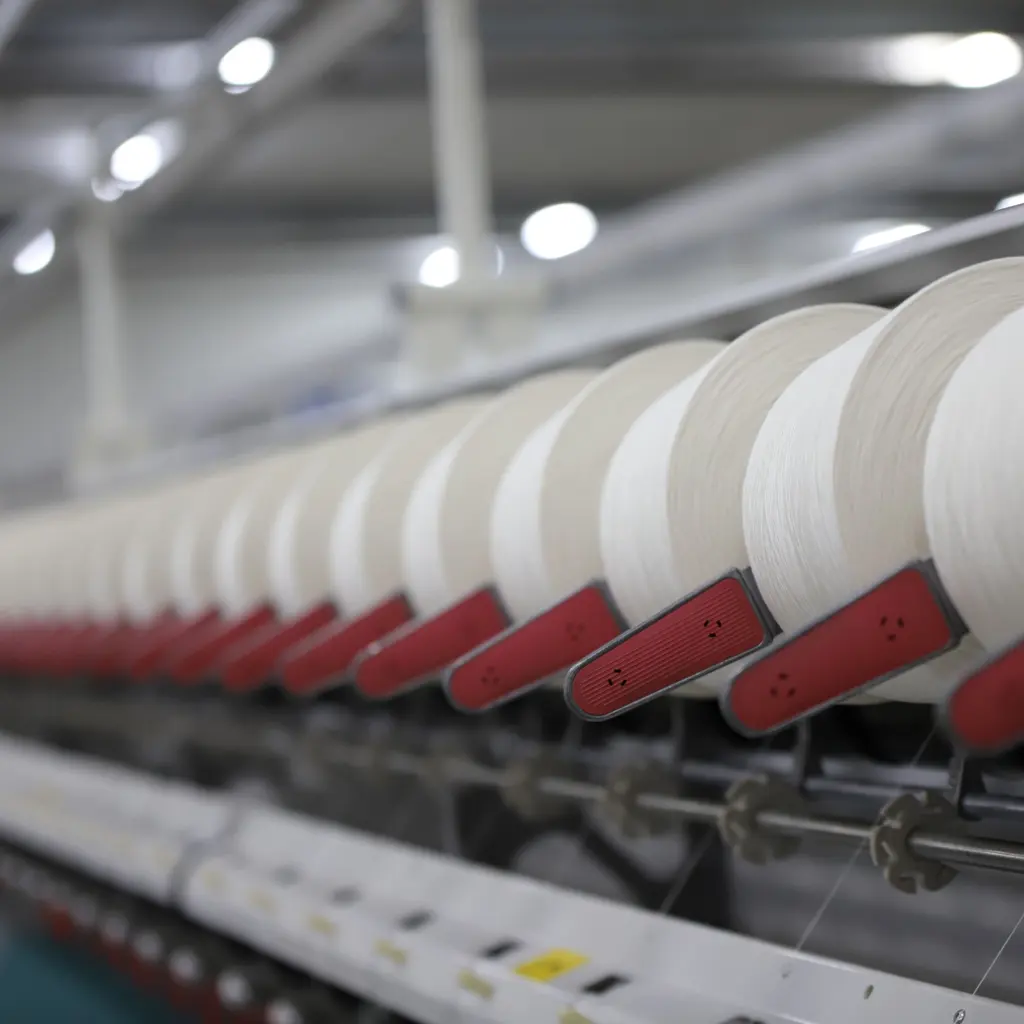
You twist and braid fibers into sewing thread, industrial rope, or rated lifting slings. Whether you are supplying the garment industry or marine markets, the structural integrity of your product is essential, as a failure under load can have serious consequences.
The Southern Agency can review your fiber, manufacturing and distribution duties with you. We can compare harm caused by cord failing in its declared use with rejected strength tests or replacement demands, and review machines and spool ownership separately.
A rated rope or sling that parts during use can injure a person or damage other equipment. Failed testing, weak unused spools, and replacing the maker's own cord are different loss questions.
Lint and fiber stock can burn near machinery. Assess the material, dust characteristics, accumulation and ignition sources with qualified advisers instead of assuming all natural and synthetic fibers behave alike.
A twister, braider, winder, or shared drive failure can hold up dependent work. Identify the damaged component and repair time. Mechanical damage, wear and an incorrect twist require different coverage checks; a delayed shipment alone does not establish an insured machine loss.
Fiber, work in process, and finished spools concentrate value at different stages. Identify the owner and peak amounts, including customer-supplied material and stock away from the plant.
Spindles, take-up reels and moving cord expose operators and maintenance crews to entanglement, pinch, and laceration injuries. Include maintenance and material handling when reporting employee duties and payroll.
A delivery collision can damage another vehicle, the maker's truck, and its load. Stock ownership, loading handoffs, and carrier arrangements determine which interests need protection.
Policies to ask about. Which ones fit depends on your operations, your contracts, and the carrier’s forms.
These hypothetical examples are not agency claim results. Whether a loss is covered depends on the facts, policy terms, and applicable exclusions.
Suppose rope sold to a working-load rating parts during a lift and damages a customer's machine. Product liability may help defend the claim and pay covered damages. The rope, lifting use, and allegations must fall within the terms; replacing the failed rope, honoring a strength guarantee and retrieving other coils are separate costs.
Suppose lint ignites near a braider and fire damages the machine and finished spools. Commercial property may help repair insured fire damage and replace covered stock, subject to valuation and deductibles. Identify the stock owner and fire cause, then check any purchased income protection for the production lost during repairs.
Suppose the maker's delivery truck strikes another vehicle while carrying finished cord. Business auto may help with covered liability to the other driver. Repairs to the maker's truck require the relevant vehicle damage cover, while damaged spools need cargo or other goods protection rather than an assumption that auto liability pays for the load.
Start with the work you do and the questions your current policies leave unanswered. Carrier options depend on your location, risk, and underwriting. Explore our approach.
Rope or a sling parting under load can injure someone or damage other equipment. Explain the product, rating and lifting or marine use and check the terms that apply. A strength test failure without that harm may concern rejected stock, refunds, or a customer's financial claim; ordinary product liability does not fund every performance promise or withdrawal.
Lint and accumulated fiber can burn, but the material, particle characteristics, storage, and ignition sources need individual assessment. Commercial property may help with covered fire damage to insured machinery and stock. Fire controls and housekeeping records do not guarantee coverage or replace qualified safety advice.
Describe the vehicles and drivers used, ownership, or hiring arrangements and delivery radius. Business auto may address covered road liability and purchased damage to the vehicle. Cord and fiber in the load, loading equipment, and an outside carrier's responsibility are separate coverage questions.
It may help repair insured internal damage to a twister, braider or winder. Income and extra expense depend on the extensions, waiting period, and restoration terms purchased. Estimate repair and restart time; worn parts, incorrect twisting, and deadline penalties are different from an insured internal breakdown.
Include raw fiber, work in process, and finished spools, identifying your stock and material held for customers. Bring peak values at the plant, outside processors and warehouses, plus shipment values. Check causes, processing restrictions and valuation; rejected strength or appearance does not by itself establish insured physical damage.
Products-completed operations can be part of general liability, while a manufacturer may use specialized product terms. Read the actual section, end uses, limits, and exclusions before buying separate coverage. Plant visitor claims, harm from sold cord, your own failed spools and withdrawal expenses still require different reviews.
Bring your questions, current policies, and relevant contracts. An agent can review coverage terms, exclusions, and the information carriers ask for, then explain the options available to you.