Skip to content

Academic Journal Publisher Insurance

Your decision to retract an article can prompt an author's reputational complaint as well as a research-integrity debate. Media protection should fit the publisher's editorial role, without treating scientific disagreement or a separately contracted review service as the same insured work.

Bring your journal titles, editorial roles, contributor permissions and institutional platform agreements to the review.

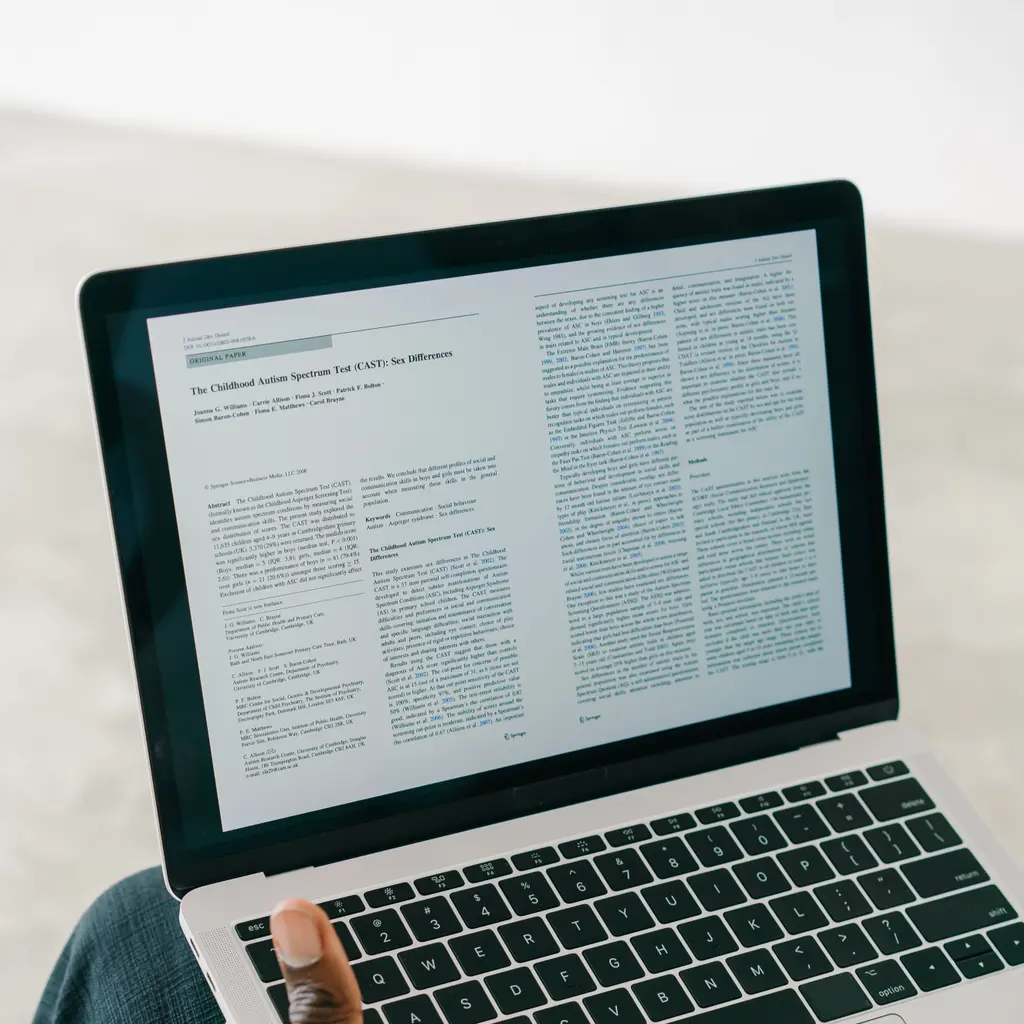
A reader viewing a two-column academic journal article on a laptop.

Industry overview

You manage peer reviews and publish research, keeping university and library subscriptions running. A disputed article can trigger legal costs, while a platform outage may disrupt your subscription revenue.

The Southern Agency can review your editorial and digital operations to help you select appropriate insurance. For example, we can examine how your policy addresses professional liability for content claims alongside cyber coverage for a subscription platform breach.

Risks worth discussing

Defamation and content liability

An article, commentary or editorial can prompt a claim by a person or institution named in it. Identify the publisher, contributing author, editor, and work that the allegation concerns; disagreement with a conclusion alone does not establish a covered claim.

Copyright and plagiarism disputes

A reused figure, dataset or passage can lead to allegations about permission, attribution or authorship. Check who supplied and cleared the material and the rights granted for the journal, format, territory, and later reuse.

Retraction and research-integrity claims

An author or institution may challenge a retraction or the handling of a research-integrity concern and allege reputational harm. Editorial decisions belong to the journal's responsible editor; a scientific dispute by itself is not an insurance determination.

Peer-review and editorial errors

A contributor may allege that a submission or review was mishandled, or that a relevant conflict went unmanaged. Disclosure of a conflict alone does not establish an error. Identify the publisher's editorial role and whether it provided a separate contracted review service.

Subscriber and institutional data breach

A compromised portal or service provider can expose subscriber credentials, institutional access records, or payment information. Determine which data the journal actually holds, where it is processed and which contracts assign response duties.

Platform downtime and revenue interruption

A platform interruption can prevent institutions or readers from accessing a journal and disrupt subscription revenue. Hardware damage, a provider outage, data restoration, lost sales, and a contract credit have different causes and financial consequences.

Situations to think through

These hypothetical examples are not agency claim results. Whether a loss is covered depends on the facts, policy terms, and applicable exclusions.

  1. Hypothetical: Hypothetical: disputed retraction

    Following a journal's retraction of an article, the author alleges the decision harmed their reputation and brings a claim. A media or professional-liability form may include defense for an eligible claim by this publisher; the decision to retract remains with the journal, and editorial correction costs are not automatically insured.

  2. Hypothetical: Hypothetical: reused figure challenged

    A rights holder alleges that a figure republished in a journal infringes copyright. Check its permission record, version and permitted uses against the issued media form. An included publisher, publication and allegation may qualify for defense and covered damages. Claims-made timing and reporting still matter; permission for one format does not establish rights or insurance for every reuse.

  3. Hypothetical: Hypothetical: subscriber portal incident

    Attackers access institutional login information on the subscription portal, producing response and notification costs. The publisher reviews its incident duties and service agreements. Cyber wording may pay eligible, approved response costs for an included event; the attack alone does not establish lost subscriptions or contractual penalties.

Before you talk to an agent

What to have ready

Tick items as you gather them. Nothing here is saved or sent.

Questions to raise

  • Map each journal, publisher entity and editor's authority for acceptance, review, correction, and retraction. Note whether peer review is an in-house service or a separate contracted service.
  • For articles and figures, record who supplied the material, who checked permission, the rights granted, formats, and territories, and any limits on reuse. Keep contributor and license records with the relevant publication.
  • List subscriber and institutional data, payment records, portal and cloud providers, backups, access controls and notice or restoration duties in contracts. Ask how interruption, restoration, and dependent-service terms work in the actual policy.
  • Compare media and professional forms with the journal's named entities and actual work. If coverage is claims-made, review the retroactive date, prior-acts terms, continuity, and reporting requirements before a change.
  • Set out property locations and values, annual revenue, print and digital distribution, major institutional agreements, prior claims or retractions, and any income protection already purchased. A subscription outage does not itself establish a covered income loss.

Contract terms to check

  • Review institutional access and subscription agreements for the licensed material, user scope, territory, uptime, refunds or credits, indemnities and insurance wording. Compare each requirement with the policy actually issued; a contract cannot broaden an insurer's grant.
  • Bring author, editor, reviewer, rights-holder, and freelance agreements. Identify who grants publication rights, makes editorial decisions, investigates concerns, preserves records, and responds to a claim. Permission for one use does not establish every later format or territory.
  • Review portal, hosting, payment, and other service-provider agreements for security duties, incident notice, data return, restoration, and responsibility for costs. A vendor's promise does not itself insure the publisher's loss.
  • Have qualified advisers review disputed rights, editorial independence and any reporting obligations. If an E&O form is claims-made, keep the relevant policy and notice history when changing entities or carriers.

What the agent conversation looks like

Start with the work you do and the questions your current policies leave unanswered. Carrier options depend on your location, risk, and underwriting. Explore our approach.

  1. ListenReview your operations, current coverage, and past claims.
  2. AssessIdentify potential hazards and discuss ways to reduce risk.
  3. BuildDiscuss policy and carrier options, premium costs, and audits.
  4. SupportReview changes and help you plan ahead as your needs develop.

Questions owners ask

Why does an academic publisher need media liability coverage?

A journal publishes articles and makes editorial decisions, so a claim may allege harm from content, permission, or a retraction. Ask whether the offered form includes those publications, decisions and named entities. A media label alone does not establish the grant or make every dispute covered.

How are retraction disputes handled by insurance?

COPE guidance says the responsible editor makes the retraction decision and the notice should explain the basis. Insurance does not make that editorial decision. If an author or institution brings a claim, compare the allegation and the publisher's role with the actual media or professional form, its timing, and exclusions.

Do we need cyber coverage if we mostly publish in print?

If the journal or its provider stores subscriber credentials, institutional access or payment data, include those systems in the review. Cyber terms may include response or liability costs for specified events. Check outsourced systems, notice rules, approval, waiting periods, and interruption terms.

Are peer reviewers and editors covered?

Do not infer insured status from a person's title. Check the policy's named insureds and insured-person definition, the work performed, contractor arrangements, and any application or schedule. Reviewers' agreements and applicable law also matter.

What insurance do institutional licensing contracts require?

Requirements vary by agreement. Compare the stated limits, insured status, notice, and indemnity language with available issued terms before signing. A contract does not require an insurer to provide matching coverage or pay a contractual obligation.

Is a business owners policy enough on its own?

A BOP may address eligible office property and premises liability. Review separate media or professional wording for editorial and review claims, and cyber terms for data events. The policy schedule and endorsements determine what is actually included.

Talk through your academic journal publisher coverage

Bring your questions, current policies, and relevant contracts. An agent can review coverage terms, exclusions, and the information carriers ask for, then explain the options available to you.

How can we help you get started?

Choose the quote that fits, and we’ll take it from there.

Have a question? Contact us