

Reprint costs from spoiled long runs
A color or registration error caught after printing tens of thousands of copies can require a full reprint. The client contract, proof approval, and cause of the error affect who bears that cost.
Try a different word, or check the spelling.
Your publisher's proof approval and supplied files help define responsibility when an issue needs reprinting. Correction costs and content allegations need different terms from press repair, paper damage, or a promise to reach the newsstand on time.
Bring press and customer-stock values, publisher proofs and the release deadlines most affected by a failed production line.
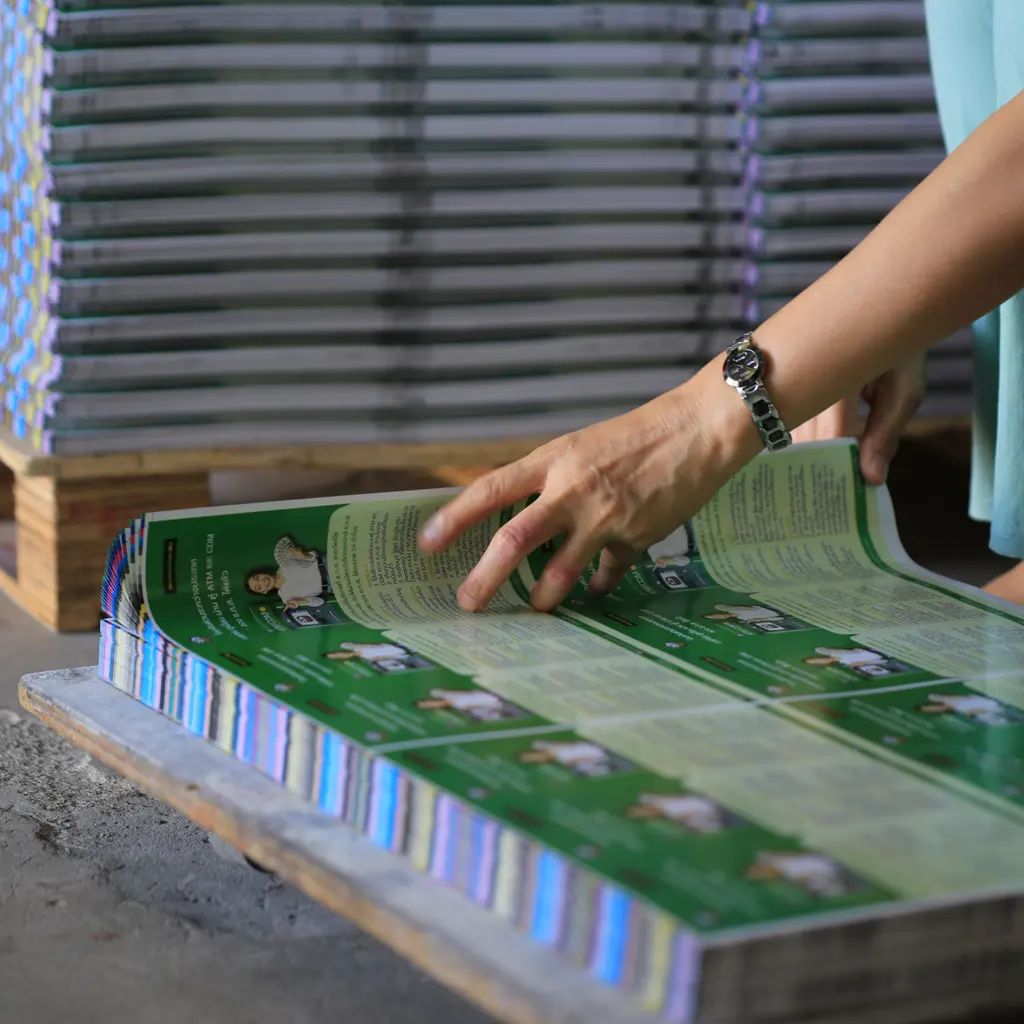
You convert publisher files into finished periodicals and books, working against tight release dates. A press fire can destroy paper stock, while a mechanical failure may delay delivery for an entire issue.
The Southern Agency can review your plant capacity, equipment, and production timelines to help you select appropriate insurance. For example, we can compare coverage for press repairs with business income protection for potential production delays.
A color or registration error caught after printing tens of thousands of copies can require a full reprint. The client contract, proof approval, and cause of the error affect who bears that cost.
High-speed web presses present entanglement, pinch, and burn hazards for operators feeding rolls and clearing webs, creating significant injury exposure.
Reproducing manuscripts, images and articles supplied by publishers can draw the printer into copyright, libel, or infringement claims over that content.
Large rolls and pallets of paper add fire load and can be ruined by water, sprinklers or roof leaks, threatening costly stock.
A failed press or bindery line can halt production and cause a magazine to miss its newsstand or mailing date. The contract determines any related remedy or penalty.
Inks, fountain solutions, and cleaning solvents create chemical exposure and potential pollution concerns during storage, use, and disposal.
Policies to ask about. Which ones fit depends on your operations, your contracts, and the carrier’s forms.
These hypothetical examples are not agency claim results. Whether a loss is covered depends on the facts, policy terms, and applicable exclusions.
A registration problem is found after a periodical run finishes, requiring a reprint to meet the on-sale date. The contract and approved proof affect who bears the cost. Product-liability wording may apply only to a covered claim for covered injury or damage; reprinting costs need a specific grant.
A press operator is burned while clearing a web near a dryer. Workers' compensation may pay eligible benefits for a covered work-related injury under the rules that apply in the state.
A storm causes a roof leak that ruins pallets of paper staged for a book run. Commercial-property coverage may help pay for covered damage to insured stock at the location, subject to ownership, limits, and deductibles.
Start with the work you do and the questions your current policies leave unanswered. Carrier options depend on your location, risk, and underwriting. Explore our approach.
A printer can be named in a claim over content it reproduces. Check whether a media or professional-liability form covers the printer, its printing services, the publication, and the allegation, including relevant rights. If the form is claims-made, check its retroactive date and reporting deadline. General liability is not a blanket content policy.
The client contract and approved proof matter. A policy may cover defense costs and eligible damages from a covered claim, but a printer's cost to redo its own work is not automatically insured. Check for a specific printers'-errors or reprint-cost grant.
Commercial-property coverage may help with covered physical damage to insured paper at listed locations. Check who owns the stock, the peak value, covered causes, limits, and deductibles.
Equipment-breakdown coverage may help after a covered sudden mechanical or electrical failure of included equipment. Lost income depends on the separate trigger, waiting period, and other policy terms.
They can set limits, indemnities, and proof requirements. Compare each request with the named insureds and wording in the issued policy; a contract cannot expand the insurer's grant.
Press and bindery work can involve serious injuries. Workers' compensation rules vary by state, so confirm the requirements for your employees and operations.
Bring your questions, current policies, and relevant contracts. An agent can review coverage terms, exclusions, and the information carriers ask for, then explain the options available to you.