Skip to content

Comic Book Publisher Insurance

Your character can appear in comics, licensed games, and merchandise sold at a convention. Content, product and event protection should follow those uses, separately from royalty disputes, defending your own rights or valuing original pages in transit.

Review creator permissions and licensed uses alongside original-art values, merchandise and your actual convention activities.

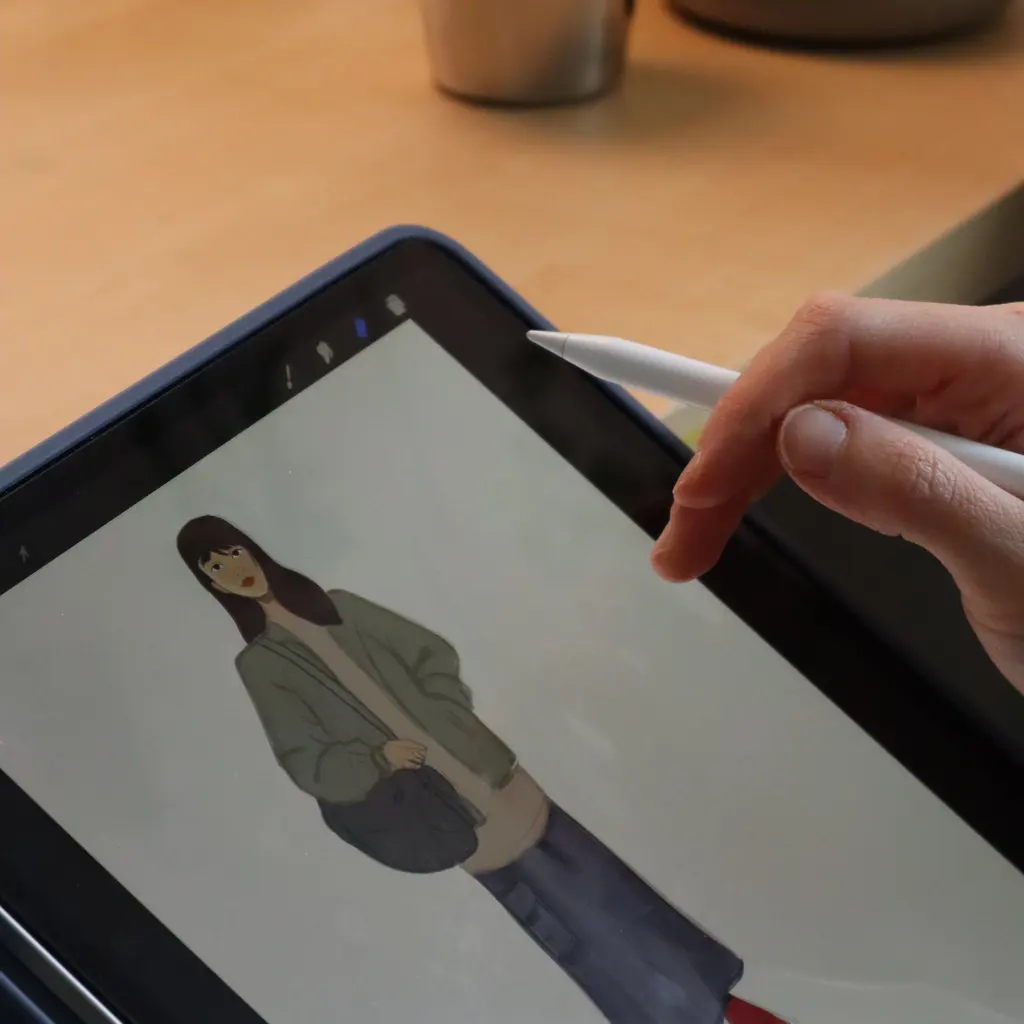
An artist using a stylus to draw a character on a digital tablet.

Industry overview

You work with artists to create stories and often sell art or merchandise directly to fans at conventions. A copyright claim can lead to legal bills, and the risk of theft is present when you transport original artwork.

The Southern Agency can review your creative IP, inventory, and convention activities to help you select appropriate insurance. We can look at professional liability for character disputes and inland marine coverage for art held in transit.

Risks worth discussing

Trademark and copyright disputes

Characters, logos, art and storylines can prompt allegations of infringement. Defending a claim against your publication is different from pursuing someone who copied your work; neither a media label nor ownership of a character establishes payment for every rights dispute.

Licensing and contract conflicts

Deals for film, games, and merchandise can lead to disputes over rights, royalties, or how characters are portrayed by licensees.

Loss or damage to original art

Original pages and cover art are valuable and often irreplaceable, with elevated risk when shipped or shown at conventions.

Convention and event liability

Booths, signings, and displays at conventions expose the publisher to third-party bodily injury and property damage claims.

Branded merchandise product claims

Figures, apparel, and collectibles sold under the publisher's brand can lead to product liability if an item causes harm.

Digital file and storefront breach

Production files, customer accounts, and online store payment data are exposed to cyber attacks and theft.

Situations to think through

These hypothetical examples are not agency claim results. Whether a loss is covered depends on the facts, policy terms, and applicable exclusions.

  1. Hypothetical: Character infringement claim

    Another creator alleges a new character infringes their work and sues the publisher. A media-liability form may pay defense costs for a covered claim and eligible damages if liability is established. Check that the publisher, title, character and relevant rights fall within the form, review exclusions and limits, and confirm the timing and reporting terms. For a claims-made form, check the retroactive date and reporting deadline.

  2. Hypothetical: Original art damaged at a convention

    A display case is knocked over and original cover art is damaged at a convention. Inland-marine coverage may pay for eligible physical damage if the piece, convention display, and transit are included and the cause is covered. Check the scheduled value, location, and limits.

  3. Hypothetical: Booth visitor injury

    A fan trips on cabling at the publisher's booth and is injured. General liability may defend a covered bodily-injury claim and pay eligible damages if the publisher is legally responsible. Check that the event and booth activity are included and review any venue terms.

Before you talk to an agent

What to have ready

Tick items as you gather them. Nothing here is saved or sent.

Questions to raise

  • List valuable original pages and covers, their agreed values, and every convention or other location where they travel or are displayed.
  • Record who created or supplied each character, image, font, or music cue and what rights the publisher has for print, merchandise, and other uses.
  • Identify branded products sold, the countries, or states where they are sold and who makes them.
  • Map where project files, customer accounts, and payment data are stored, including cloud and storefront providers.

Contract terms to check

  • Review creator and licensing agreements for ownership, permitted media, territory, duration, approvals, royalties, and responsibility for clearing supplied art or other material.
  • Check merchandise contracts for product specifications, manufacturers, indemnities, and who responds to a product complaint. Insurance wording does not replace those responsibilities.
  • Compare convention venue requirements with liability coverage for the actual booth, dates and activities, and check any requested insured status before signing.

What the agent conversation looks like

Start with the work you do and the questions your current policies leave unanswered. Carrier options depend on your location, risk, and underwriting. Explore our approach.

  1. ListenReview your operations, current coverage, and past claims.
  2. AssessIdentify potential hazards and discuss ways to reduce risk.
  3. BuildDiscuss policy and carrier options, premium costs, and audits.
  4. SupportReview changes and help you plan ahead as your needs develop.

Questions owners ask

How is original comic art protected when it travels?

Inland-marine or scheduled-property wording may cover physical damage to listed art during specified transit and display. Check the agreed value, convention locations, dates, causes, and limits before the work leaves the studio.

Does insurance help with character infringement lawsuits?

A media or professional-liability form may pay defense costs for a covered claim involving a covered title, character, or rights, and may cover eligible damages if liability is established. Review the insured publisher, content and rights, applicable exclusions and limits. If the form is claims-made, check its retroactive date and reporting deadline.

Do we need product liability for our merchandise?

If the publisher sells figures, apparel or collectibles, review whether the product policy includes those items and sales locations. It may cover a claim alleging bodily injury or property damage, not every cost to replace merchandise.

What covers us at comic conventions?

General liability may address covered third-party injury or property-damage claims for an included booth or signing. Check the event dates, venue requirements, and any certificate or additional-insured wording before the convention.

Is our digital storefront a cyber risk?

Customer accounts and payment records create data exposure. Cyber wording may include response costs or liability after a covered incident; check the systems, vendors, notification duties, and interruption terms.

Talk through your comic book publisher coverage

Bring your questions, current policies, and relevant contracts. An agent can review coverage terms, exclusions, and the information carriers ask for, then explain the options available to you.

How can we help you get started?

Choose the quote that fits, and we’ll take it from there.

Have a question? Contact us