

Misprints requiring reprints
Frequent changeovers and tight color or copy specifications make spelling, registration, or imposition errors a source of costly reprints. The contract and proof approval affect who bears that cost.
Try a different word, or check the spelling.
Your presses can be ready while a failed RIP, proofing server or corrupted artwork holds up active jobs. Equipment and client-work protection should distinguish hardware repair, file recreation, and a reprint, without assuming every delay or setup error is insured.
Show how jobs move from supplied artwork and approved proofs to press, with actual chemical storage and client-stock values.
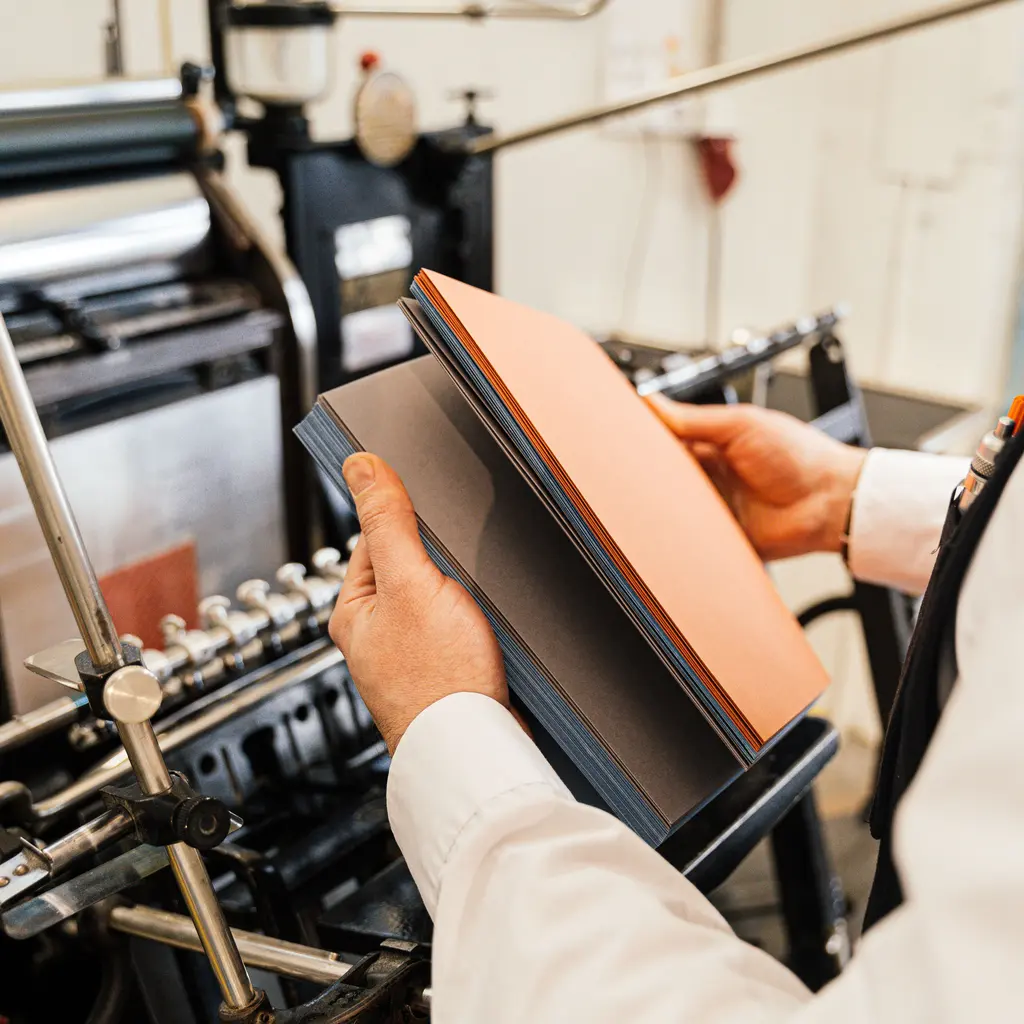
You produce marketing materials like brochures and stationery, often managing multiple orders simultaneously. A fire can halt work on all orders at once, and mistakes in print work can lead to liability claims.
The Southern Agency can review your plant operations and the types of projects you handle to help you select appropriate insurance. We can assist in balancing property coverage for your presses with environmental and product liability protections.
Frequent changeovers and tight color or copy specifications make spelling, registration, or imposition errors a source of costly reprints. The contract and proof approval affect who bears that cost.
Blanket washes, fountain solutions, and cleaning solvents can be flammable and, with stored paper, raise the fire load of the pressroom.
Sheetfed presses, guillotine cutters and folders expose operators to pinch, crush and laceration hazards during setup and production.
Improper storage, spills or disposal of inks and solvents can create cleanup and third-party pollution claims. A fire or spill does not by itself establish which costs a policy covers.
A server, RIP or network failure can stall prepress and proofing, delaying active jobs and the deadlines they carry.
Holding customer artwork and supplied files creates exposure if data is lost or corrupted, requiring recreation and delaying delivery.
Policies to ask about. Which ones fit depends on your operations, your contracts, and the carrier’s forms.
These hypothetical examples are not agency claim results. Whether a loss is covered depends on the facts, policy terms, and applicable exclusions.
An uncaught text error makes it through proofing and appears across a client's catalog run. The contract and approved proof affect whether the printer must reprint it. Product-liability wording may apply only to a covered claim for covered injury or damage; reprinting costs need a specific grant.
Suppose stored cleaning solvent ignites and damages the pressroom. Property terms may address covered physical damage to insured presses, paper and other property. Identify any actual release and cleanup obligation separately: fire damage does not itself establish an insured pollution claim or every disposal cost.
Suppose a server failure corrupts active job files and stalls proofing. Covered equipment repair, file recreation and purchased downtime benefits require their respective triggers and included systems. Review backup restoration, customer-file duties and any waiting period rather than treating all delayed jobs or reprints as insured income.
Start with the work you do and the questions your current policies leave unanswered. Carrier options depend on your location, risk, and underwriting. Explore our approach.
General liability is not a general promise to pay the cost of redoing the printer's work. A covered liability claim may be treated differently from an ordinary reprint. Check for a specific printers'-errors or reprint-cost grant and compare it with the client contract.
Inks, washes and solvents can create cleanup or third-party claims after a covered pollution event. Review covered substances, locations, cleanup costs, notice requirements, and exclusions; ordinary property wording may not answer those questions.
A business-owners policy may provide a base for eligible property and premises liability. Press breakdown, customer property, pollution, and printing errors need their own wording; review the forms and limits for your operation.
Repair, data restoration and lost income can depend on different triggers. Equipment-breakdown or cyber wording may apply to an included event, subject to insured systems, restoration terms, and any waiting period. A workflow delay alone does not establish coverage.
Some policies include limited restoration or valuable-papers protection, but digital files, physical artwork, and customer property are not interchangeable. Check what is insured, where it is stored, the restoration limit, and the rights to recreate the material.
Cost can reflect annual sales, payroll, equipment values, chemical storage and use, fire controls and claims history. The review describes the shop's operation; it does not guarantee a price or coverage.
Bring your questions, current policies, and relevant contracts. An agent can review coverage terms, exclusions, and the information carriers ask for, then explain the options available to you.