

Damage to customer-owned print stock
Folding, trimming, or binding errors on jobs the bindery does not own can destroy an entire client print run and trigger claims for the value of the work.
Try a different word, or check the spelling.
Your customer's printed sheets already carry work and value before they reach the trimmer or binder. Review entrusted-stock values and damage-during-finishing terms, not just the cost of repairing a machine.
The Southern Agency can help you insure your bindery operations, equipment, and customer inventory.
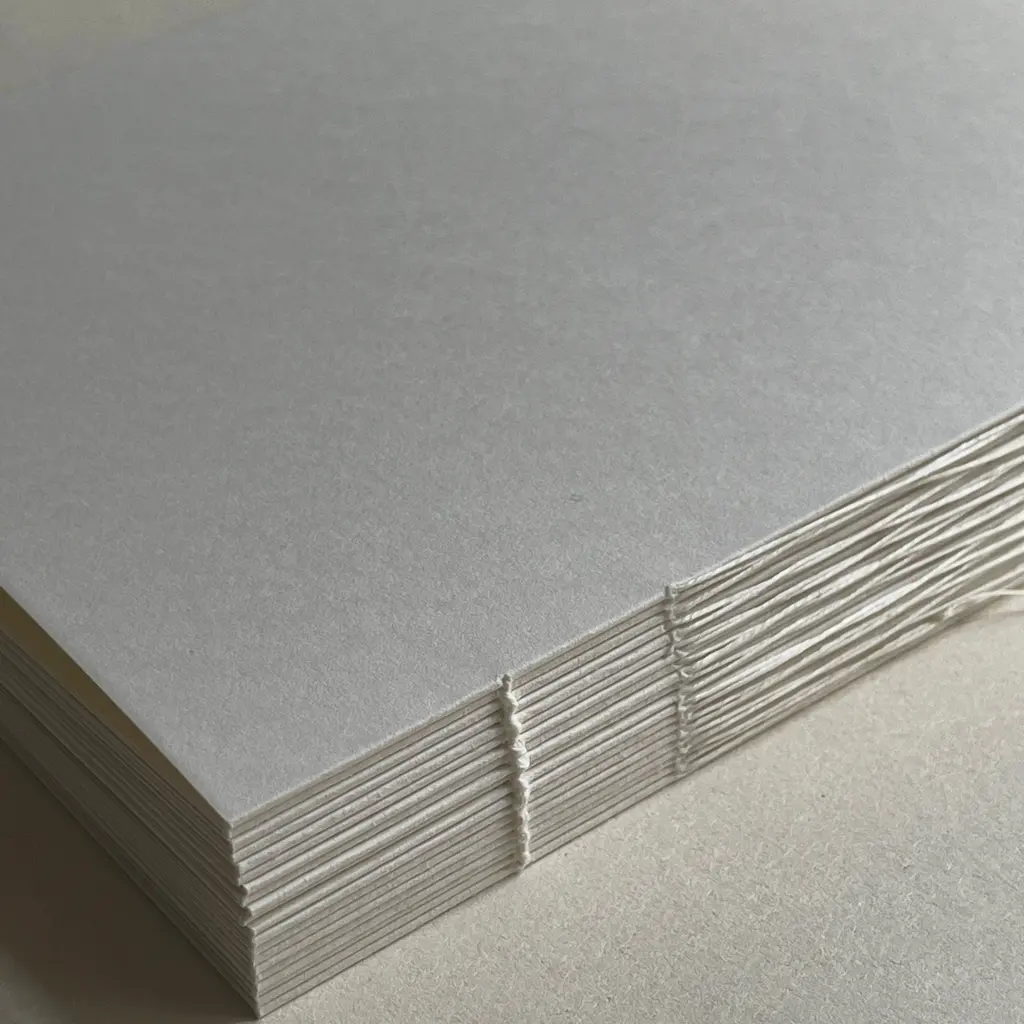
You fold, cut and bind materials into books and catalogs, handling client-owned paper runs. A single trimming error can ruin a customer's product, and a machine breakdown can stall your entire shop.
The Southern Agency can review your shop's machinery and how you handle client property to help you select appropriate insurance. For example, we can look at inland marine coverage for stock in your care alongside breakdown protection for your folding machines.
Folding, trimming, or binding errors on jobs the bindery does not own can destroy an entire client print run and trigger claims for the value of the work.
Guillotine cutters, folders, and stitchers create amputation, laceration, and crush hazards that put bindery workers at meaningful injury risk.
A failed perfect binder or saddle stitcher can stop production and cause the shop to miss deadlines for multiple printers simultaneously.
Hot-melt glue, solvents, lamination film, and large paper inventories raise the fire exposure of the finishing floor and storage areas.
Bound books that fall apart, mis-folded mailers, or peeling lamination can lead to liability when the defective work reaches the end user.
Moving skids of paper and finished cartons with forklifts and pallet jacks creates property damage and bodily injury exposure inside the plant.
Policies to ask about. Which ones fit depends on your operations, your contracts, and the carrier’s forms.
These hypothetical examples are not agency claim results. Whether a loss is covered depends on the facts, policy terms, and applicable exclusions.
A miscalibrated cutter trims a 20,000-piece booklet run to the wrong size, ruining customer stock. Inland marine or customer-property coverage may pay for eligible physical damage to the stock if the bindery, finishing work, and cause are covered. Check that the limit matches the stock's value; reprinting the bindery's own work is a separate question.
An operator's hand is caught while clearing a jam in a folding machine. Workers' compensation may pay benefits for a covered work-related injury under the rules that apply in the state.
The shop's perfect binder suffers a failure days before a large delivery, stalling production. Equipment-breakdown coverage may help pay repair costs if the failure meets the policy's definition; lost income may require separate coverage and a waiting period.
Start with the work you do and the questions your current policies leave unanswered. Carrier options depend on your location, risk, and underwriting. Explore our approach.
Customer stock is different from paper the bindery owns. Inland marine or customer-property wording may cover eligible physical damage while the stock is in your care. Check that the property, finishing work, limit, and cause of loss are included; that coverage does not automatically pay every reprint or delay claim.
Equipment-breakdown wording may help with repair costs after a covered sudden mechanical or electrical failure. Confirm that the cutter is included and whether lost income is covered, including any waiting period.
Cutters, folders and stitchers can cause serious work-related injuries. Workers' compensation pays eligible benefits under the rules that apply to your employees and state.
Product or completed-operations coverage may apply to a covered claim alleging bodily injury or property damage caused by finished work. It does not automatically pay to replace defective books; the issued wording and facts control.
It can be worth reviewing because the bindery's work becomes part of a product delivered to someone else. Ask which finishing services and resulting claims the policy includes, and whether the customer's contract adds separate duties.
Cost can reflect sales and job volume, equipment values, customer stock held, payroll, fire protection, and the adhesives or solvents used. The information helps describe the operation; it does not determine coverage by itself.
Bring your questions, current policies, and relevant contracts. An agent can review coverage terms, exclusions, and the information carriers ask for, then explain the options available to you.