

Ground infrastructure damage
Fire, storm or power events can damage uplink dishes, transmitters, and ground-station equipment.
Try a different word, or check the spelling.
Your cooling and power systems can be as important to channel delivery as the uplink transmitter. Equipment and income protection should follow those dependencies, with carriage commitments, programming rights, and subscriber data handled through their own terms.
Identify ground assets you own or lease, purchased transmission capacity and the power, cooling and vendor dependencies behind channel delivery.
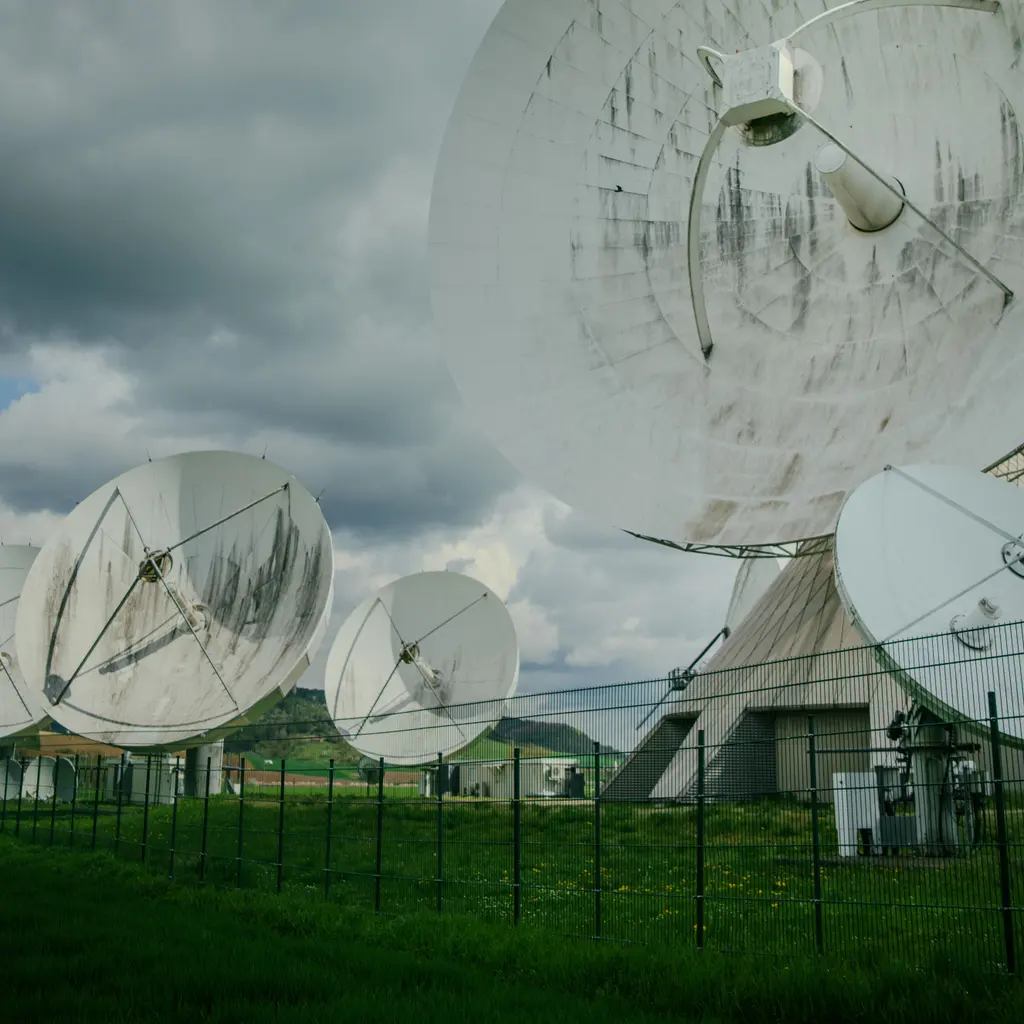
You manage uplink sites and ground stations to deliver programming across large regions. A failure at your operations center or a subscriber-data breach can interrupt service and lead to claims.
The Southern Agency can review your network infrastructure and management responsibilities to help select appropriate insurance. For example, we can evaluate your equipment breakdown coverage for transmitters while reviewing professional liability for content-related claims.
Fire, storm or power events can damage uplink dishes, transmitters, and ground-station equipment.
An equipment or operations failure can interrupt channels and breach carriage commitments.
Content distribution and licensing can prompt copyright or carriage disputes.
Subscriber account and payment data can be exposed in a breach.
Transmitters, cooling, and power systems can fail and halt service.
Leadership and investor decisions can lead to management claims.
Policies to ask about. Which ones fit depends on your operations, your contracts, and the carrier’s forms.
These hypothetical examples are not agency claim results. Whether a loss is covered depends on the facts, policy terms, and applicable exclusions.
A power and cooling failure at the network operations center interrupts channels and breaches carriage commitments. Equipment-breakdown coverage may help with covered repairs; lost income has a separate trigger.
Attackers access subscriber account and billing records, triggering notice work. Cyber coverage may help with approved response costs if the data, system, and event fit the policy.
A content owner alleges unauthorized retransmission of its programming. Media or professional-liability coverage may defend a covered claim and may pay eligible damages if liability is established; rights, services, and timing matter.
Start with the work you do and the questions your current policies leave unanswered. Carrier options depend on your location, risk, and underwriting. Explore our approach.
Commercial-property coverage may address covered damage to listed uplink sites, ground stations and equipment. Confirm ownership, leased interests and values. A ground-property schedule does not itself insure an orbiting satellite or a provider's capacity; disclose those arrangements separately.
An outage may cause both equipment damage and lost income. Equipment-breakdown and business-income coverage have separate policy triggers and terms.
The network holds subscriber account and payment data. Cyber coverage may help with approved breach response when the systems and data are included.
A content or carriage dispute may lead to a claim. Media/professional-liability coverage may defend a covered claim; rights, services, terms, and timing matter.
Excess coverage may add limits over scheduled underlying liability policies when attachment terms are met. It does not extend property or equipment coverage.
Directors-and-officers coverage may defend covered management claims against leadership. The organization and alleged conduct must fit the policy.
Prepare infrastructure values, subscribers/data, licensing and carriage deals, system redundancy, distribution area and loss history for an insurer’s review.
Bring your questions, current policies, and relevant contracts. An agent can review coverage terms, exclusions, and the information carriers ask for, then explain the options available to you.