

Facilities
Fire or water can damage studios, sets, and control rooms.
Try a different word, or check the spelling.
Your schedule connects owned and acquired programs to affiliate and advertiser commitments. Media and equipment protection should distinguish programming rights, a failed control system and a missed slot, rather than assume ordinary excess also increases content-liability limits.
Separate network assets from affiliates, list produced and acquired programs, and review control-system dependencies and carriage promises.
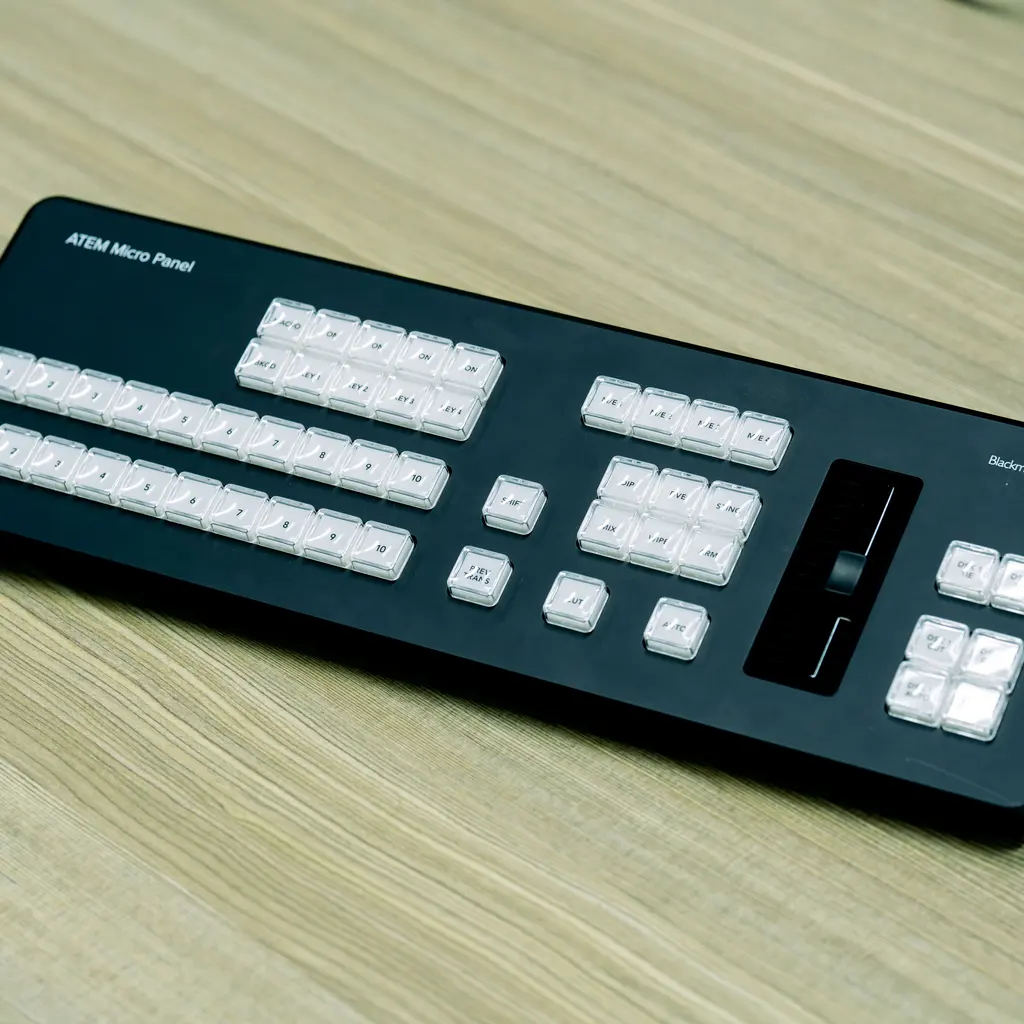
You produce and acquire content for a scheduled broadcast feed to your affiliates and viewers. A technical control-room failure or a defamation claim regarding an aired segment can disrupt your network operations.
The Southern Agency can review your network's broadcast assets and content library to help select appropriate insurance. For example, we can evaluate media definitions in your professional liability policy while reviewing property coverage for your studio systems.
Fire or water can damage studios, sets, and control rooms.
Programming can generate copyright, likeness, or defamation allegations.
A failed schedule can create affiliate and advertiser disputes.
Control systems and signal electronics can fail internally.
Audiences, crews, and retained viewer data create separate liability and staffing needs.
Policies to ask about. Which ones fit depends on your operations, your contracts, and the carrier’s forms.
These hypothetical examples are not agency claim results. Whether a loss is covered depends on the facts, policy terms, and applicable exclusions.
Suppose a person featured in an aired segment alleges defamation. Compare the actual network entity, publication and content role with media terms and reporting requirements. A covered allegation may qualify for defense without proving liability; ordinary premises or excess coverage does not automatically extend that grant.
Suppose an internal control-system failure interrupts the scheduled feed. Repair needs an accepted equipment and cause; purchased income requires its own trigger and restoration terms. Missed slots, affiliate penalties and make-good airtime are not all equivalent to insured lost advertising income.
Suppose a rights holder alleges the network aired acquired footage outside its licensed territory. Review the actual licensed use and accepted acquired-programming definitions, including exclusions and timing. Buying a program does not establish every redistribution right or insure every breach of its license.
Start with the work you do and the questions your current policies leave unanswered. Carrier options depend on your location, risk, and underwriting. Explore our approach.
The program follows facilities, content, and distribution actually operated, with separate crew and data review.
Property and breakdown concern different causes and need appropriate equipment values.
Programming can generate media claims; defense depends on rights, titles, and policy scope.
Interrupted schedules need a qualifying cause and applicable income terms.
Excess should be compared with its actual underlying media and general-liability forms.
Audience liability and crew injury benefits are distinct; talent status and duties matter.
Bring your questions, current policies, and relevant contracts. An agent can review coverage terms, exclusions, and the information carriers ask for, then explain the options available to you.