

Damage to customer-supplied garments
Customer-owned blank garments can be damaged by fire, water, or a production error.
Try a different word, or check the spelling.
Your customer may supply the blanks, but the printing stage still determines how custody and processing terms apply. Protection for those garments should distinguish covered damage from a wrong color or placement, alongside your own presses, screens, and dryers.
The Southern Agency can help you protect your shop equipment, customer garments, and operational liability.
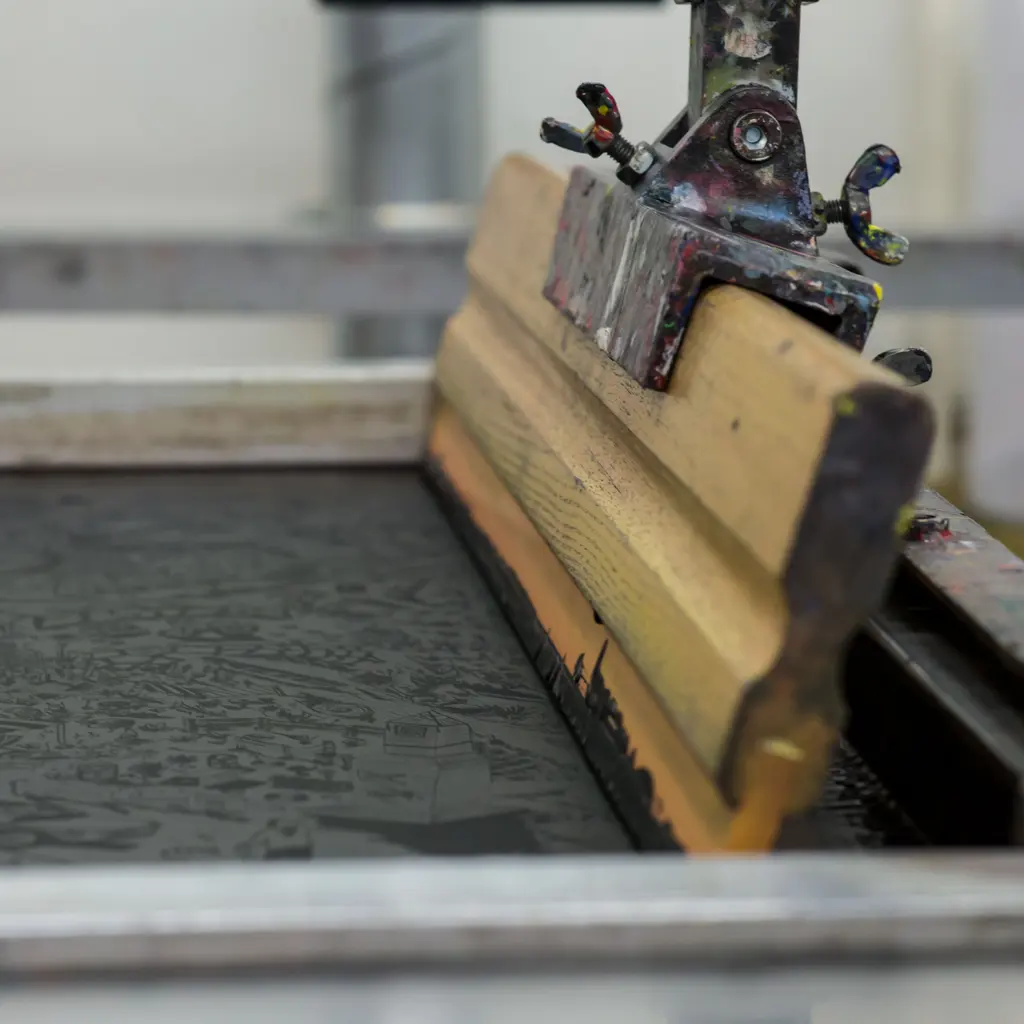
You decorate apparel and garments, often working with high-heat curing equipment and customer-owned items. A dryer fire can damage your shop, while a production mistake might delay a client's critical event.
The Southern Agency can review your shop's workflow and equipment to help select appropriate insurance. For example, we can examine bailee terms for client goods alongside property coverage for your own presses and dryers.
Customer-owned blank garments can be damaged by fire, water, or a production error.
Wrong color, placement or sizing can spoil a customer’s order and force a reprint.
Printing customer-supplied logos or characters can lead to a rights dispute.
Hot conveyor dryers operating near garments and inks can create fire exposure.
Screen-reclaiming chemicals and inks require safe handling and disposal.
Manual and automatic presses can cause pinch, repetitive-motion, or burn injuries.
Policies to ask about. Which ones fit depends on your operations, your contracts, and the carrier’s forms.
These hypothetical examples are not agency claim results. Whether a loss is covered depends on the facts, policy terms, and applicable exclusions.
A color and placement error ruins a customer’s supplied jerseys before an event. Inland-marine or bailee coverage may pay for eligible physical damage if the garments, printing work, cause, and limit fit the policy; a routine reprint is not automatically insured.
A rights holder claims that a printed team logo infringes its mark after the customer supplied the artwork. General-liability coverage may defend some advertising-injury claims only when the policy’s definition, offense, and operations fit; do not assume every rights claim is included.
A conveyor dryer malfunctions and ignites nearby shirts, damaging the print area. Property coverage may pay for covered physical damage to insured equipment and stock at the listed location.
Start with the work you do and the questions your current policies leave unanswered. Carrier options depend on your location, risk, and underwriting. Explore our approach.
Inland-marine or bailee terms may cover physical damage to customer garments while they are in your care. Check covered causes, the work performed, and the limit for property held for others.
Printing supplied art can still lead to an infringement claim. Some liability wording may apply to a defined advertising injury, but check the exact offense and services rather than assuming every rights claim is covered.
Yes. Hot dryers near garments and inks are a fire concern. Describe dryer placement, maintenance, and fire controls when reviewing property terms.
Product-liability coverage may defend a covered claim alleging injury or property damage from finished apparel. Misprints and rework costs are different losses.
A business-owners policy may provide a base of shop property and premises liability. Customer goods, mobile gear, worker injuries, and machinery failure may need other applicable coverage.
Cost can reflect customer garment values, presses and dryers, sales, order turnaround, artwork, chemicals, fire controls, and payroll. Insurers decide whether to offer terms.
Prepare customer-goods values, equipment, annual sales, artwork and licensing practices, chemical controls, payroll, and prior losses for an insurer’s review.
Bring your questions, current policies, and relevant contracts. An agent can review coverage terms, exclusions, and the information carriers ask for, then explain the options available to you.