

Labeling errors triggering recalls
A label error can lead a customer to recall products or seek compensation.
Try a different word, or check the spelling.
Your barcode has to work in a customer's retail or shipping system as well as look right on the label. Product and error-related terms should distinguish that financial disruption from damaged goods, injury, and the separate cost of a recall.
Bring actual product uses, customer-approved label information and barcode duties, with chemical and converting-equipment details.
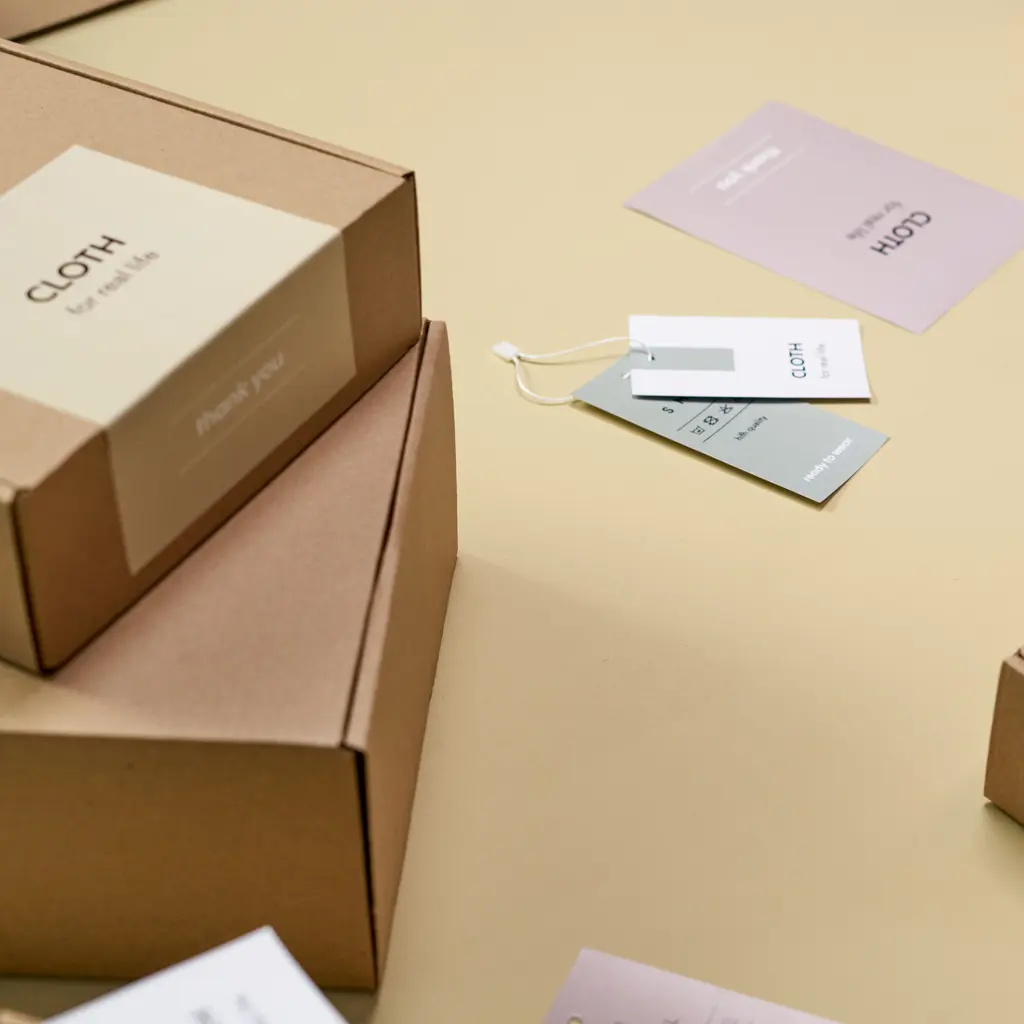
You produce labels and packaging that carry vital information for consumer products. A mistake like a missing allergen warning can lead to a costly recall, while a fire at your plant can damage essential converting equipment.
The Southern Agency can review your production facility and the packaging you supply to help you select appropriate insurance. We can distinguish covered injury or property-damage claims from recall and correction expenses, alongside machinery, worker and pollution interests.
A label error can lead a customer to recall products or seek compensation.
Faulty packaging can damage goods or disrupt a customer’s production.
Inks and solvents create fire, spill, and pollution exposure.
Web presses and converting equipment can injure operators.
A barcode or scannability problem can interrupt retail or shipping systems.
Machinery failure can stop a time-sensitive packaging supply.
Policies to ask about. Which ones fit depends on your operations, your contracts, and the carrier’s forms.
These hypothetical examples are not agency claim results. Whether a loss is covered depends on the facts, policy terms, and applicable exclusions.
A customer finds that a label omitted an allergen warning and recalls a product. Product-liability coverage may defend a covered injury or property-damage claim; recall expenses are a separate exposure and are not automatically paid.
A solvent spill occurs at the plant during production. Environmental-liability coverage may address eligible cleanup or third-party costs if the substance, location, and release fit the policy.
A slitter operator is injured while handling a web press. Workers’ compensation may pay eligible benefits for a covered work injury under applicable state rules.
Start with the work you do and the questions your current policies leave unanswered. Carrier options depend on your location, risk, and underwriting. Explore our approach.
A missing warning can lead to a recall and claims. Product-liability coverage may defend a covered injury or property-damage claim; recall costs may require separate coverage.
Food or pharmaceutical labels may contain safety-critical information, so a printing error can affect downstream products. Review the work and customer specifications carefully.
Solvents and inks can create pollution exposure. Environmental-liability coverage may address eligible costs when the substance, location, event, and reporting terms fit.
Product-liability coverage addresses certain injury or property-damage claims from a product. Recall expenses, lost sales, and replacing labels are different costs and need separate terms.
Equipment-breakdown coverage may help pay for repairs after a covered sudden machinery failure. Business-income coverage has its own trigger and waiting period.
Cost may reflect the packaging types, regulated products, equipment, inks and solvents, sales, payroll and fire controls. Insurers decide whether to offer terms.
Prepare product mix, food or pharmaceutical contact, equipment values, solvent volumes, sales, payroll, recall history, and fire controls for an insurer’s review.
Bring your questions, current policies, and relevant contracts. An agent can review coverage terms, exclusions, and the information carriers ask for, then explain the options available to you.