

Rally and demonstration injuries
Public marches and gatherings can result in attendee injuries, crowd incidents, or property damage that lead to liability claims against the organizers.
Try a different word, or check the spelling.
Your canvasser, rally organizer and campaign writer can serve the same cause with different responsibilities. Event, media, and volunteer protection need to fit those activities, while a permit or office policy does not by itself establish coverage for an off-site demonstration.
The Southern Agency can help you coordinate protection for your advocacy campaigns, staff and volunteers.
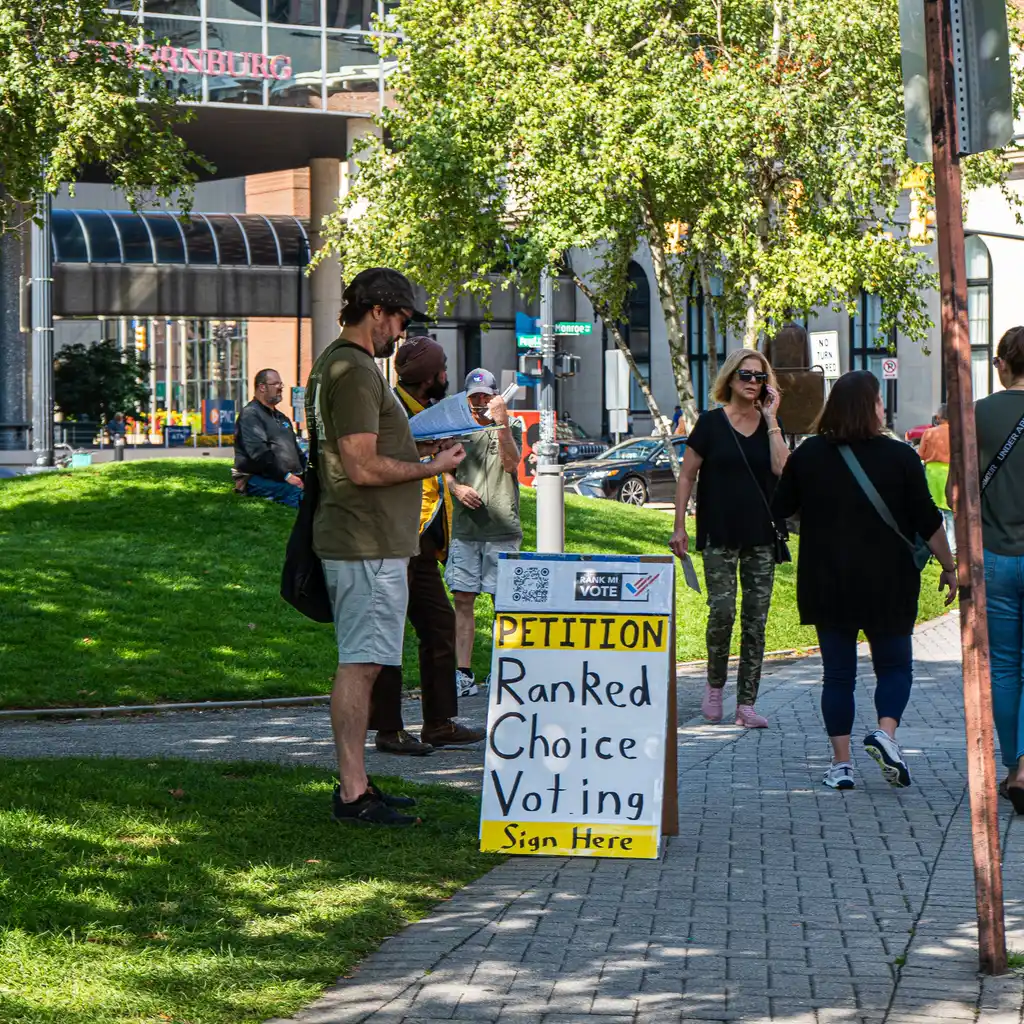
You lead public campaigns, marches and door-to-door canvassing to influence policy, often relying on volunteers and small donors. Engaging the public in streets and online creates risks regarding crowd management and published campaign materials.
The Southern Agency can review your campaign activities and volunteer roles to help you select appropriate insurance. We can help you distinguish between liability for public rallies and cyber coverage for your supporter databases.
Public marches and gatherings can result in attendee injuries, crowd incidents, or property damage that lead to liability claims against the organizers.
Door-to-door volunteers walking unfamiliar neighborhoods may be injured or cause incidents the group could be held responsible for.
Vocal public positions, published statements, and campaign materials can prompt defamation, disparagement, or infringement allegations.
Volunteer directors overseeing grant spending and program decisions can face mismanagement or breach-of-duty claims.
Email lists, supporter records, and online giving tools create breach and privacy exposure if the group's systems are compromised.
Event permits and rental agreements often require liability coverage and may name the city or venue as an additional insured.
Paid organizers and volunteers can raise claims involving wrongful termination, discrimination, or harassment.
Policies to ask about. Which ones fit depends on your operations, your contracts, and the carrier’s forms.
These hypothetical examples are not agency claim results. Whether a loss is covered depends on the facts, policy terms, and applicable exclusions.
An attendee is injured during a permitted march and seeks damages from the organizing group. General liability coverage may respond, depending on policy terms and the facts of the incident. Review accepted actual route/event and organizer/crowd/security duty, claimant, and exclusions; permit approval does not establish cover.
A targeted party alleges a campaign statement was defamatory and pursues the group. Certain liability coverages may respond to defense costs, subject to the specific policy, endorsements, and exclusions. Identify actual publication/insured act, advertising versus accepted media/D&O grant, knowledge/IP/professional exclusions, and claim timing; no generic promise to fund every defamation defense.
A former paid organizer alleges wrongful termination. An employment practices liability policy may respond to defense and settlement costs, depending on policy terms. Review actual employee/insured, allegation, and notice/consent; unpaid wages, severance and ordinary contract obligations differ from eligible loss.
Start with the work you do and the questions your current policies leave unanswered. Carrier options depend on your location, risk, and underwriting. Explore our approach.
Common coverages include general liability, directors and officers, employment practices, and cyber. The right mix depends on event activity and staffing, subject to underwriting.
Bring the particular route, attendance, organizer and security duties, plus permit or venue terms. Confirm the event is accepted and review crowd, assault and other exclusions. A permit authorizes an activity; it does not itself supply insurance or cover everyone involved.
Published advocacy can draw allegations. Compare actual general-liability advertising, accepted media and any management grant and exclusions, including knowing statements, IP and services for others; the subject of a campaign and a policy title do not establish defense.
Check volunteers as insured persons for authorized acts separately from their own injury benefits, applicable worker classification and auto/driver cover. None automatically supplies the others. Review actual canvassing/routes and permissions; a public permit does not itself insure a volunteer.
Board members overseeing grants and spending can face mismanagement claims. Directors and officers coverage helps protect them, subject to the specific policy and underwriting.
Email lists and online donations can be targeted. Cyber coverage may help with breach response and notification costs if systems are compromised, depending on the policy.
Bring your questions, current policies, and relevant contracts. An agent can review coverage terms, exclusions, and the information carriers ask for, then explain the options available to you.