

Union hall premises liability
Meetings, events, and outside rentals at the union hall expose the local to slip-and-fall and other visitor injury claims.
Try a different word, or check the spelling.
Your officer can act for the local, handle dues or serve in a benefit-plan role, with different duties in each capacity. Governance, fiduciary and crime terms should distinguish those interests, separately from a hall rental or collective-bargaining dispute.
The Southern Agency can help you align your insurance with the specific fiduciary and event risks of your union local.
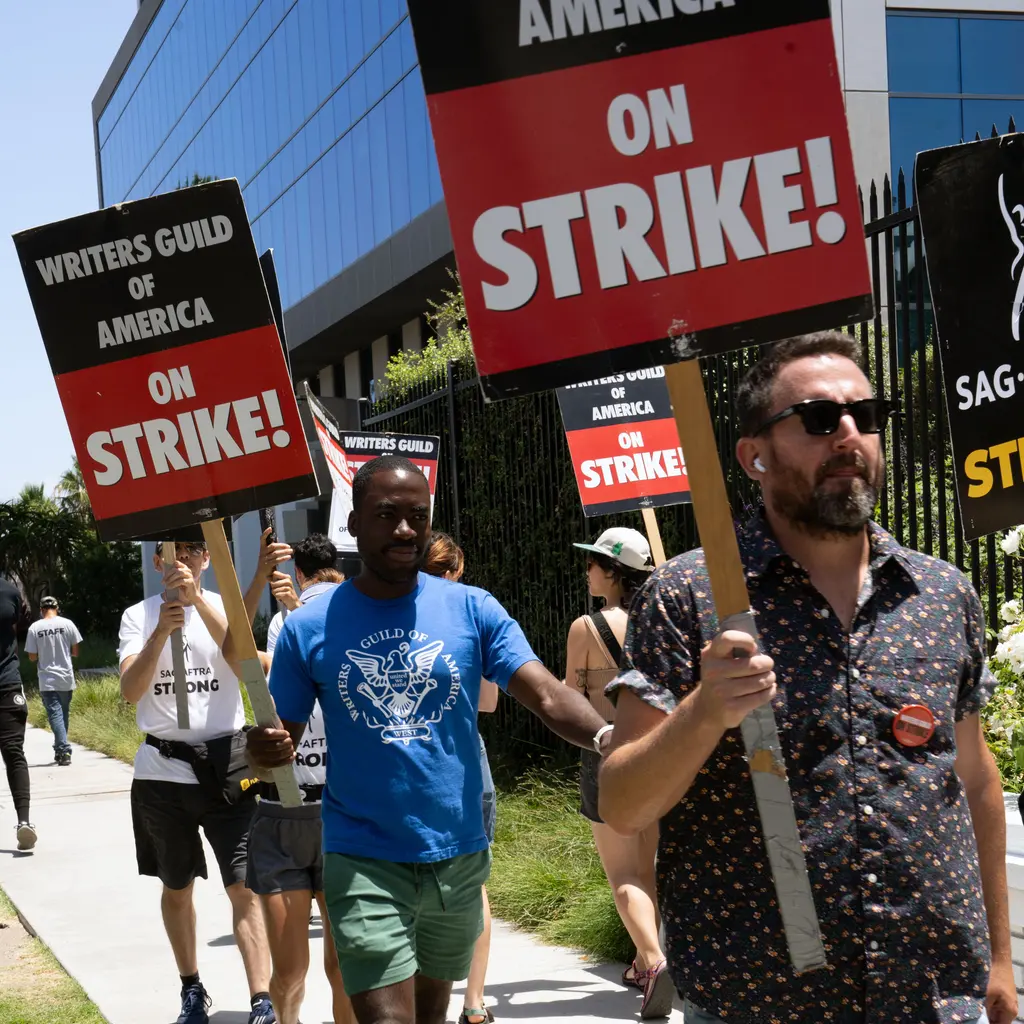
You manage membership meetings, training, and hall rentals, while handling member funds and collective bargaining data. Governance decisions, fiduciary responsibilities, and hall security are central to your operations.
The Southern Agency can review your local's actual hall, representation and fund-handling activities to help you select appropriate insurance. We can distinguish accepted officer-governance terms from plan-fiduciary and bonding arrangements, alongside staff and member-record risks.
Meetings, events, and outside rentals at the union hall expose the local to slip-and-fall and other visitor injury claims.
Officers and trustees overseeing dues, benefit funds, and representation duties can face fiduciary and breach-of-duty allegations.
Business agents and office staff can raise wrongful-termination, discrimination, or harassment claims against the local.
Large dues, strike funds, and benefit contributions create exposure to theft or misappropriation by staff or officers.
Membership records and online dues processing create breach and privacy exposure if union systems are compromised.
Catered functions and hall rentals where alcohol is served can expose the union to liquor liability claims.
Fire, storm, or water damage to the hall and its contents can disrupt operations and require costly repairs.
Policies to ask about. Which ones fit depends on your operations, your contracts, and the carrier’s forms.
These hypothetical examples are not agency claim results. Whether a loss is covered depends on the facts, policy terms, and applicable exclusions.
A member is injured during a meeting at the union hall and seeks medical costs. General liability coverage may respond, depending on policy terms and the facts of the incident. Check actual hall/event/rental duty, food/alcohol acceptance, and claimant terms.
Members allege trustees mishandled benefit-fund contributions. A directors and officers or fiduciary policy may respond to defense costs, subject to the specific policy, endorsements, and exclusions. Identify actual plan/entity/trustee, eligible fiduciary grant, multi-employer/ERISA, and contribution/benefit terms; union D&O is not automatic plan cover.
An office employee diverts collected dues over several months. Crime coverage may respond to the loss, depending on policy terms and the controls in place. Check covered union/employee/property, actual bond if applicable, loss proof, and discovery/notice.
Start with the work you do and the questions your current policies leave unanswered. Carrier options depend on your location, risk, and underwriting. Explore our approach.
Common coverages include general liability, property, directors and officers, crime, employment practices, and cyber. The right mix depends on hall use and fund administration, subject to underwriting.
Confirm actual local/parent, officers/trustees, and representation versus governance capacities. Review union-specific professional/labor/ERISA and claimant exclusions, defense/reporting, and loss; ordinary nonprofit D&O does not establish fair-representation or all plan protection.
Identify each fund/plan, ownership, actual handlers and applicable union/ERISA bonding rules/exemptions and bond forms for qualified review. Theft/fidelity, fiduciary breach, and unpaid contributions/benefits differ; generic D&O/crime is not proof of compliance or payment.
General liability commonly responds to visitor injuries at meetings and events, and property coverage protects the building. Coverage depends on policy terms and how the hall is used.
If the local employs business agents or office staff, employment practices coverage helps address wrongful-termination and harassment claims, subject to policy terms and underwriting.
Membership systems and online dues can be targeted. Cyber coverage may help with breach response if those systems are compromised, depending on the specific policy.
Bring your questions, current policies, and relevant contracts. An agent can review coverage terms, exclusions, and the information carriers ask for, then explain the options available to you.