

Rally and fundraiser injuries
Campaign events bring supporters into rented and public venues, where injuries, crowd incidents, or property damage can lead to claims.
Try a different word, or check the spelling.
A short campaign and a year-round political organization have different commitments. Start with the activities, people and funds your insurance needs to account for.
Call with your organization's activities and dates, plus any venue or vendor insurance requirements.
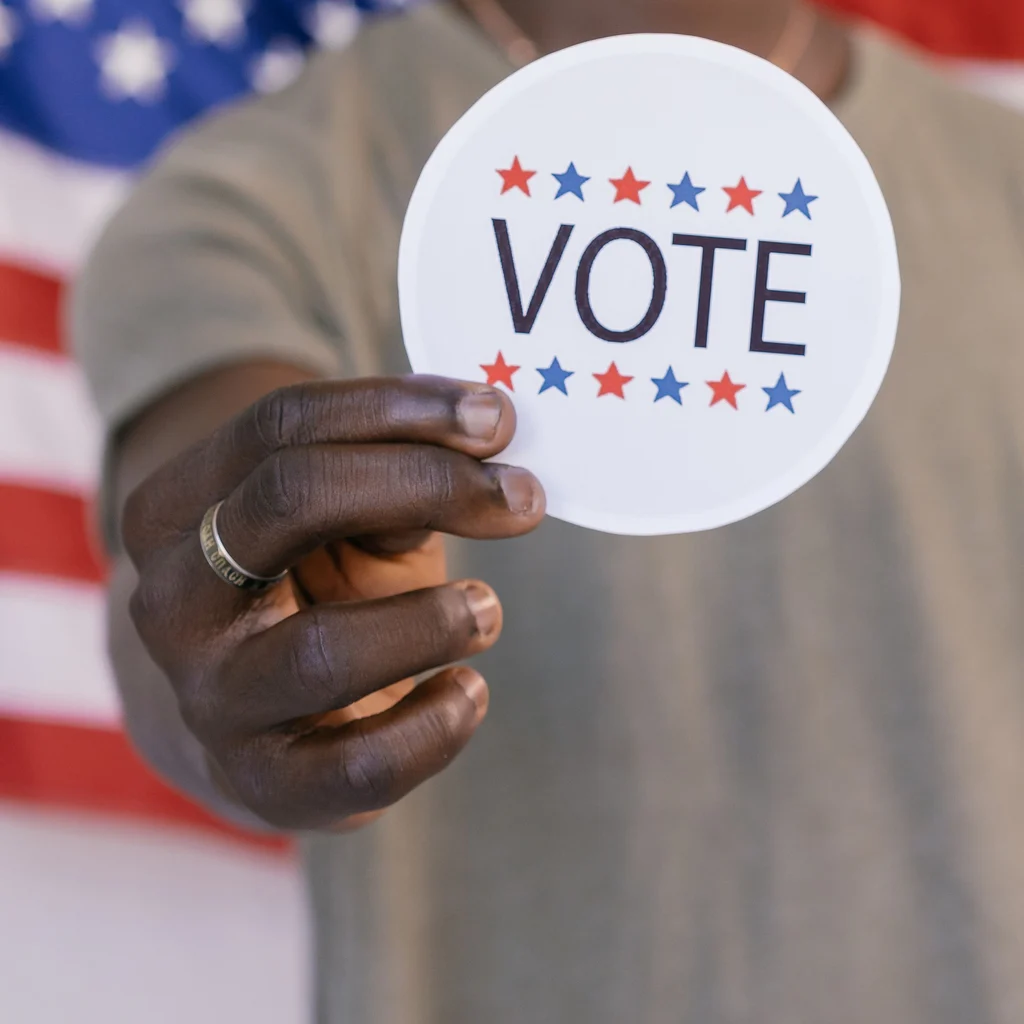
Your organization may run a campaign, support a ballot measure or advocate year-round. The insurance questions depend on what you actually do: public meetings, paid advertising, volunteer outreach, and handling donor information can bring different claims.
The Southern Agency can review the organization that needs to be insured, its activities, and how long it will operate. We can discuss event liability, leadership decisions and protection for donor data or funds without assuming every group needs the same policies.
Campaign events bring supporters into rented and public venues, where injuries, crowd incidents, or property damage can lead to claims.
High-volume messaging and advertising can prompt defamation, copyright, or likeness-related allegations against the organization.
Volunteers canvassing and staffing phone banks can be injured or cause incidents the organization may be responsible for.
Rapid hiring and turnover among paid campaign staff can lead to wrongful-termination, discrimination, or harassment claims.
Supporter databases and online donation tools create breach and privacy exposure if the organization's systems are compromised.
Fast-moving contributions and expenditures under campaign-finance rules create theft and misappropriation exposure.
Fundraisers and receptions where alcohol is served can expose the organization to liquor liability claims.
Policies to ask about. Which ones fit depends on your operations, your contracts, and the carrier’s forms.
These hypothetical examples are not agency claim results. Whether a loss is covered depends on the facts, policy terms, and applicable exclusions.
A supporter is injured in a crowd surge and seeks damages from the organizer. General liability may help with the claim if the event is included. Venue and security agreements help identify each party's responsibilities; crowd or assault exclusions may also affect the response.
A person named in a campaign advertisement alleges defamation. Check whether the organization's policy includes its political advertising and who is insured for publishing it. A general liability policy's advertising provisions should not be assumed to cover every campaign-content dispute.
A staff member diverts the committee's contributions to a personal account. Employee theft coverage may help if the person and funds qualify under the crime policy. A stolen contribution is different from money the organization must refund under campaign-finance rules.
Start with the work you do and the questions your current policies leave unanswered. Carrier options depend on your location, risk, and underwriting. Explore our approach.
Common coverages include general liability, directors and officers, employment practices, cyber, and crime. The right mix depends on events and fund volume, subject to underwriting.
Yes, including allegations of defamation or misuse of someone else's material. Tell the agent who creates and publishes your content, then check whether political advertising is included and whether media liability is needed. Knowing false statements, intellectual-property claims, and correction costs can have different treatment.
General liability may respond to injuries and damage at rallies and fundraisers, and venues often require it. Coverage depends on policy terms and the facts.
Yes. Ask whether volunteers are insured when acting for the organization and how an injury to a volunteer would be handled. Those are different questions. Paid staff, volunteer drivers and employment-related allegations also need review based on their actual duties and the policy's definitions.
Donor databases and online contributions can be targeted. Cyber coverage may help with breach response if systems are compromised, depending on the specific policy.
Crime coverage may help, but review who owns the funds and whether the person involved counts as an employee, officer or volunteer under the policy. Employee theft and a fraudulent instruction to transfer money can need different coverage. Keep records and follow the policy's reporting requirements; refunds and compliance costs are separate.
Bring your questions, current policies, and relevant contracts. An agent can review coverage terms, exclusions, and the information carriers ask for, then explain the options available to you.