

Resident altercations and assault
Housing a diverse, sometimes high-need population around the clock raises the risk of fights or assaults leading to injury claims.
Try a different word, or check the spelling.
Your intake team, case managers and kitchen staff work through different parts of a resident's stay. Facility, staff, and records protection should match those duties, with habitability, resident conduct and abuse-related allegations reviewed rather than assumed part of ordinary premises cover.
The Southern Agency can help you manage your shelter's specific liability and property risks through a tailored insurance program.
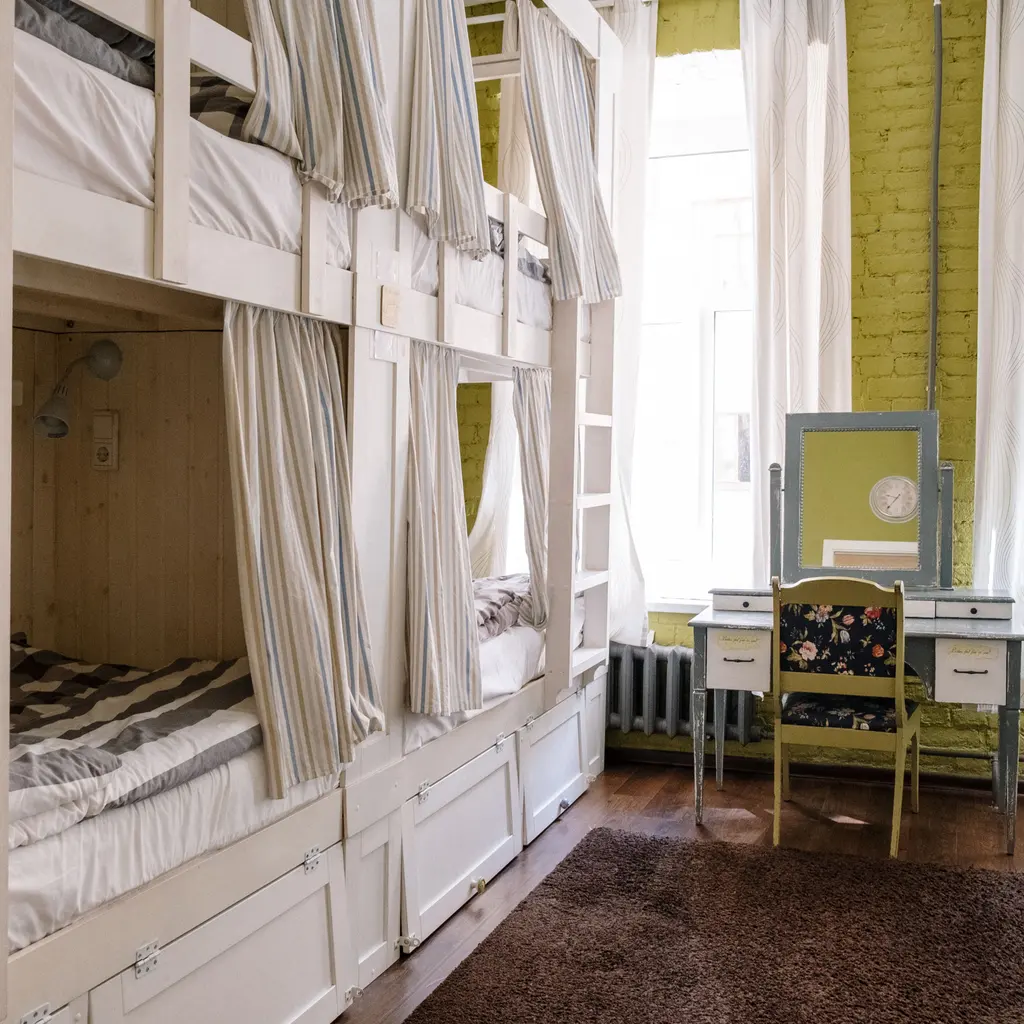
You operate 24-hour residential facilities, manage congregate meals, and provide case services. High-turnover congregate living, the potential for altercations, and building maintenance create liability and habitability risks.
The Southern Agency can review your shelter's specific occupancy, staffing, and meal-service protocols to help you select appropriate insurance. We can help you coordinate premises liability and property protection for your facility.
Housing a diverse, sometimes high-need population around the clock raises the risk of fights or assaults leading to injury claims.
Dormitories, stairs, and shared facilities in an aging building expose the shelter to slip-and-fall and habitability claims from residents.
Dense overnight occupancy makes fire and life-safety failures especially serious for residents and the building itself.
On-site kitchens preparing congregate meals create the potential for foodborne-illness claims affecting many residents.
Front-line staff managing intake and behavior face injury and confrontation risk that drives workers' compensation claims.
Caring for vulnerable residents, sometimes including families, creates exposure to abuse, neglect, or mistreatment allegations.
Policies to ask about. Which ones fit depends on your operations, your contracts, and the carrier’s forms.
These hypothetical examples are not agency claim results. Whether a loss is covered depends on the facts, policy terms, and applicable exclusions.
Two residents fight and one is injured, prompting a claim against the shelter for inadequate supervision. General liability coverage may respond, subject to the specific policy, endorsements, and exclusions. Check actual security/occupancy and assault/battery/supervision wording and exclusions.
A resident slips on stairs and is injured. General liability coverage may respond to medical and liability costs, depending on policy terms and the facts of the incident. Check residential premises duty, claimant, and medical-payments/professional terms.
A kitchen fire damages the shelter and forces a temporary closure. Property and business income coverage may help with repairs and lost operations, depending on policy terms. Check covered fire/property interest and purchased income/extra expense, continuing-funding, and restoration terms; not all relocation or lost operations qualify.
Start with the work you do and the questions your current policies leave unanswered. Carrier options depend on your location, risk, and underwriting. Explore our approach.
Review actual assault/battery, resident/security, negligent-supervision and abuse wording, exclusions and insureds. Ordinary GL, an endorsement title or a supervision allegation does not establish every altercation or resident injury benefit.
The building, dormitory furnishings, kitchen, and supplies can be covered under property insurance. Coverage depends on the specific policy and exclusions.
Yes. On-site congregate meals create foodborne-illness exposure that general liability may address, depending on policy terms, endorsements, and the facts of a claim.
Identify actual intake, case, security, kitchen and lifting duties, employee status and applicable state rules. Underwriting does not determine the legal requirement. Workers compensation, volunteer accident benefits and liability for a staff member's acts are separate protections.
Review actual entity/person and supervision/abuse grants, exclusions, separate limits, defense, prior matters and reporting. A general/professional/D&O title and screening practices alone do not establish abuse cover or insure every alleged perpetrator. Ordinary care/neglect and misconduct definitions may differ.
Compare actual grant/venue/program insurance schedules and named entities with proposed forms. A certificate does not amend cover, and insurance does not itself establish licensing, grant compliance, or guaranteed repayment.
Bring your questions, current policies, and relevant contracts. An agent can review coverage terms, exclusions, and the information carriers ask for, then explain the options available to you.