

Participant falls and wandering
Frail and memory-impaired seniors are prone to falls and may wander, creating injury claims if supervision or premises safety falls short.
Try a different word, or check the spelling.
Your medication reminder is a different task from administering medicine, just as helping with a van transfer differs from driving. Care, worker, and auto protection should fit the assistance actually provided, including the roles of volunteers and home-visit staff.
The Southern Agency can help you address the risks associated with daily senior care, transportation, and meal services.
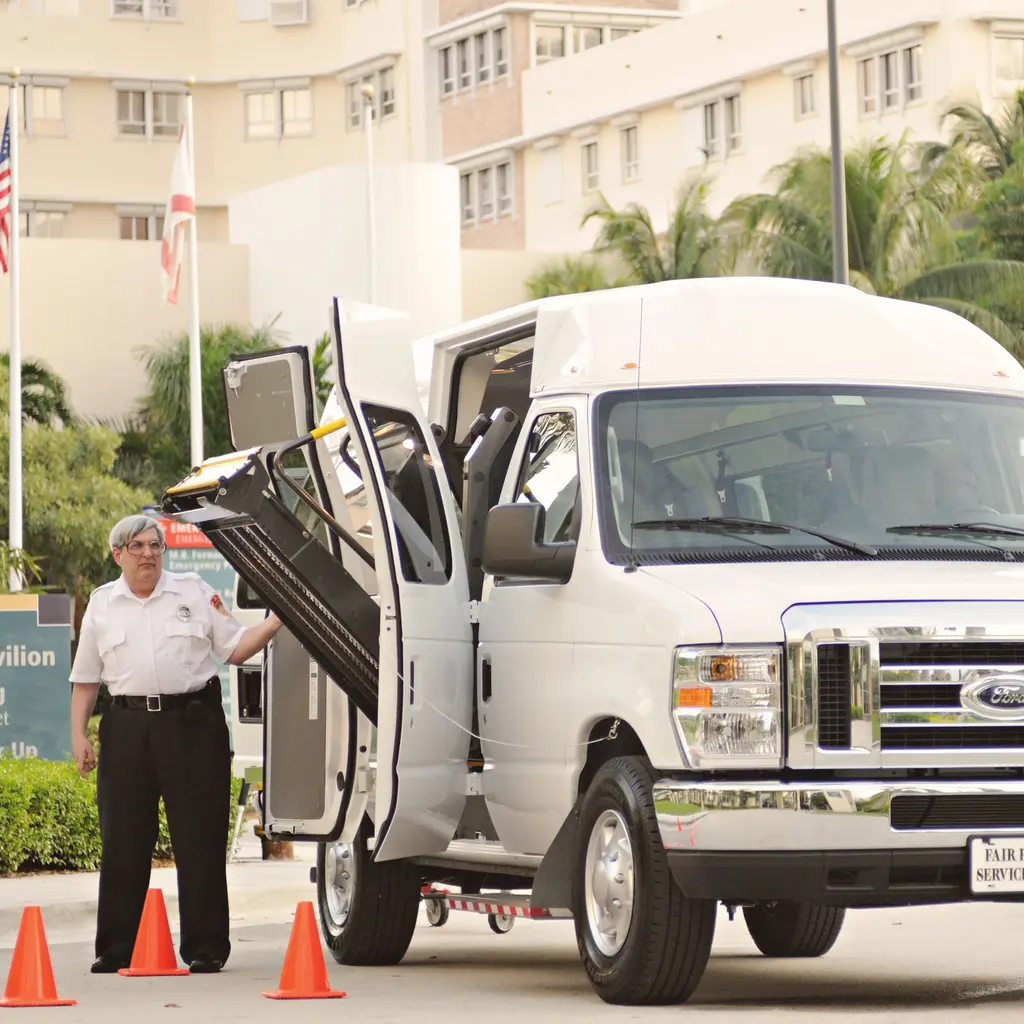
You provide day services, transportation, and home-based support for older adults who may face mobility, memory, or health challenges. Hands-on assistance and meal service can lead to risks involving participant falls, errors in care, or vehicle-related incidents.
The Southern Agency can review your specific program, including transportation and meal preparation, to help you select appropriate insurance. We can discuss professional liability for care-related tasks versus auto coverage for your shuttle vans.
Frail and memory-impaired seniors are prone to falls and may wander, creating injury claims if supervision or premises safety falls short.
Assisting with mobility, medication reminders, and daily needs raises professional liability if a lapse harms a participant.
Congregate and home-delivered meal programs create the potential for foodborne-illness claims affecting older participants.
Driving seniors to appointments and activities in vans or volunteer cars exposes the program to auto and loading-related liability.
Hands-on care of dependent elders creates exposure to allegations of mistreatment, neglect, or financial exploitation.
Helping participants stand, transfer or board a van can injure staff or volunteers. Their own medical and wage benefits depend on actual worker status and arrangements, not simply their caregiving role.
Policies to ask about. Which ones fit depends on your operations, your contracts, and the carrier’s forms.
These hypothetical examples are not agency claim results. Whether a loss is covered depends on the facts, policy terms, and applicable exclusions.
A participant falls during an activity and the family pursues a claim. General liability coverage may respond to medical and liability costs, depending on policy terms and the facts of the incident. Separate premises hazard from accepted supervision/transfer/care and professional/abuse exclusions.
Several participants report illness after a congregate meal. General liability, including products-completed operations, may respond, subject to the specific policy, endorsements, and exclusions. Review actual preparation/distribution and injury/products terms; own spoiled meals, withdrawal/recall, and replacement meals differ.
A program van is in an accident while transporting seniors and a participant is injured. Business auto coverage may respond, depending on policy terms and the circumstances. Check actual vehicle/driver, loading and liability versus injury/physical-damage terms.
Start with the work you do and the questions your current policies leave unanswered. Carrier options depend on your location, risk, and underwriting. Explore our approach.
Professional liability may respond to claims that personal care or assistance fell below the standard of care, subject to policy terms.
Compare actual meal preparation/delivery and injury/products terms with own spoiled food, replacement meals, contamination response, and withdrawal/recall. These are not interchangeable grants or automatic donor immunity.
Often yes. Business auto, including hired and non-owned coverage, may help with accidents involving owned or volunteer vehicles, depending on policy terms and circumstances.
Review actual entity/person and supervision/abuse grants, exclusions, separate limits, defense, prior matters and reporting. A general/professional/D&O title and screening practices alone do not establish abuse cover or insure every alleged perpetrator. Ordinary care/neglect and abuse definitions can differ.
Review actual employee/contractor/volunteer classification, state rules, and occupational duties. Workers compensation, volunteer accident and liability are separate; underwriting does not itself determine legal requirements.
Grants and contracts often impose specific insurance requirements.
Bring your questions, current policies, and relevant contracts. An agent can review coverage terms, exclusions, and the information carriers ask for, then explain the options available to you.