

Refrigeration breakdown and spoilage
Coolers and freezers protect large perishable stocks, and a breakdown can spoil inventory and disrupt distribution to partner agencies.
Try a different word, or check the spelling.
Your food can be in storage, being repacked by volunteers or traveling to a partner agency. Stock, spoilage, and transport protection need those stages and values, while volunteer injuries and food-related claims require their own terms.
Bring peak donated-stock values, refrigeration and power dependencies, actual loading roles and delivery arrangements.
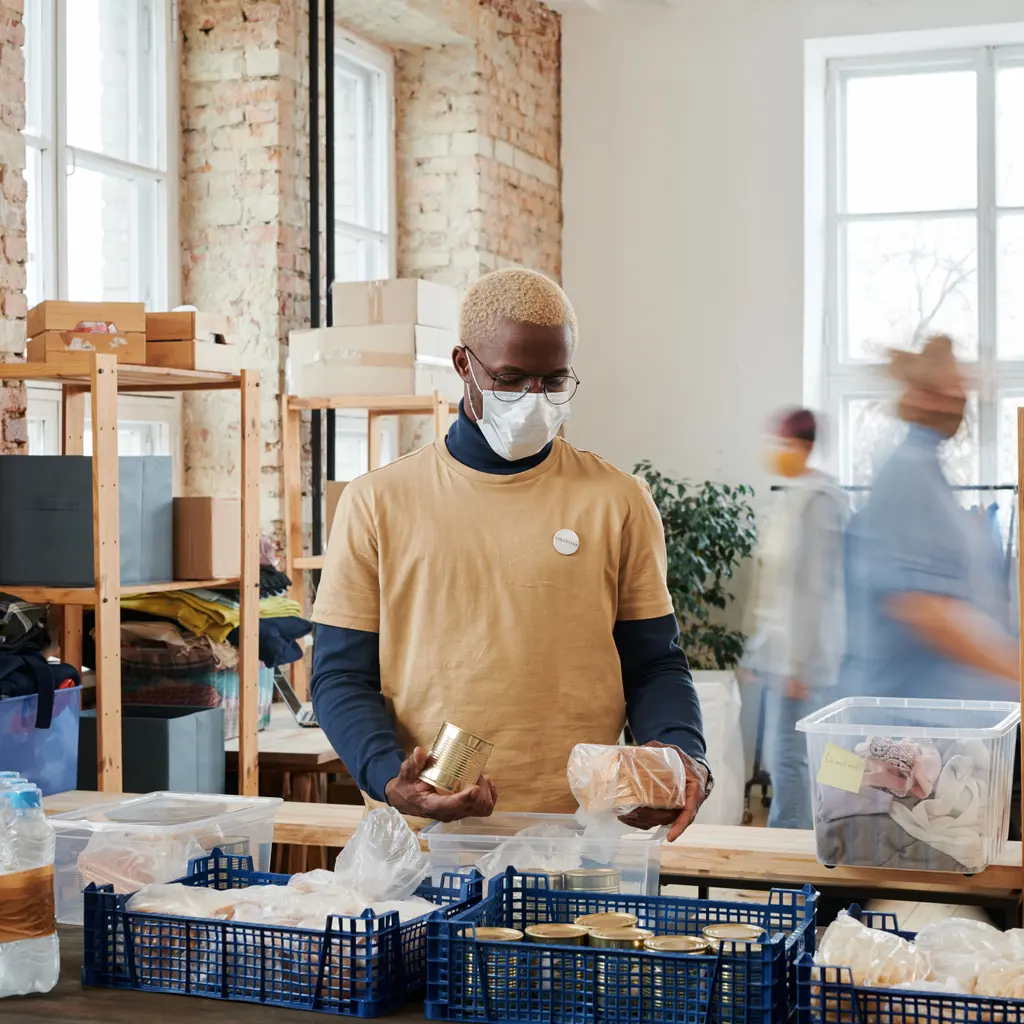
You manage warehouses, refrigeration equipment, and a distribution fleet to move food to partner agencies. Large volumes of perishable inventory, warehouse traffic, and food handling create dependencies on equipment reliability and safety.
The Southern Agency can review your storage and distribution model to help you select appropriate insurance. We can compare covered refrigeration repair with purchased spoilage and stock terms, alongside food-injury liability and the people and vehicles moving donations.
Coolers and freezers protect large perishable stocks, and a breakdown can spoil inventory and disrupt distribution to partner agencies.
Forklifts, pallet jacks, and loading docks expose staff and volunteers to crushing, lifting, and fall injuries during sorting and loading.
Trucks moving food across a region face auto liability and cargo loss if an accident occurs in transit.
Handling and distributing food creates the potential for foodborne-illness claims if product is spoiled or mishandled.
Large numbers of volunteers performing physical sorting and loading work raise the chance of injuries on the warehouse floor.
Fire, storm, or water damage to a warehouse can destroy stored food and equipment, halting operations across the network.
Policies to ask about. Which ones fit depends on your operations, your contracts, and the carrier’s forms.
These hypothetical examples are not agency claim results. Whether a loss is covered depends on the facts, policy terms, and applicable exclusions.
A freezer compressor fails over a weekend and stored food spoils. Equipment breakdown coverage may respond to repair and spoilage costs, subject to the specific policy, endorsements, and exclusions. Check covered compressor event and purchased spoilage, stock ownership/valuation, and deductibles; contamination is not automatically breakdown.
A volunteer is hurt while loading a truck. Depending on classification and policy terms, liability or medical coverage may respond, depending on the facts and the specific policy. Separate actual worker/volunteer accident benefits from liability for acts and auto loading duties.
A food bank truck is in a collision while delivering to a pantry. Business auto coverage may respond to liability and damage, depending on policy terms and the circumstances. Separate driver/vehicle liability/physical damage from entrusted cargo and refrigeration loss.
Start with the work you do and the questions your current policies leave unanswered. Carrier options depend on your location, risk, and underwriting. Explore our approach.
Equipment breakdown coverage may respond to spoilage when covered equipment fails, subject to policy terms, endorsements, and exclusions. Coverage depends on the specific policy.
Check volunteers as insured persons for authorized acts separately from their own injury benefits, applicable worker classification and auto/driver cover. None automatically supplies the others. Review actual forklift/loading activities and accident-medical terms.
Yes. Business auto coverage is commonly needed for trucks collecting and delivering food, addressing accidents and related liability, depending on policy terms.
Compare actual food handling/product injury with contaminated/spoiled inventory, testing, withdrawal/recall, and replacement food. Donor/recipient protections have transaction and conduct conditions and do not override health rules or guarantee insured defense; obtain qualified legal/policy review.
The warehouse, racking, refrigeration equipment, and stored inventory can be covered under property insurance. Coverage depends on the specific policy and exclusions.
Review actual duties, employee/contractor/volunteer classification, and state rules, then worker/employer-liability and volunteer accident terms. Forklift use alone does not prove a universal mandate or all-person benefits.
Bring your questions, current policies, and relevant contracts. An agent can review coverage terms, exclusions, and the information carriers ask for, then explain the options available to you.