

Congregant and visitor injuries
Services, school, and celebrations bring people into the sanctuary, social hall, and classrooms, where slips and falls can lead to claims.
Try a different word, or check the spelling.
Your Torah scrolls and ritual objects carry values that an ordinary building limit may not describe. Property protection should fit the items, storage and any transit, alongside the actual worship, school, and event duties accepted under liability terms.
The Southern Agency can help you review worship, education, and community activities alongside buildings and ritual items.
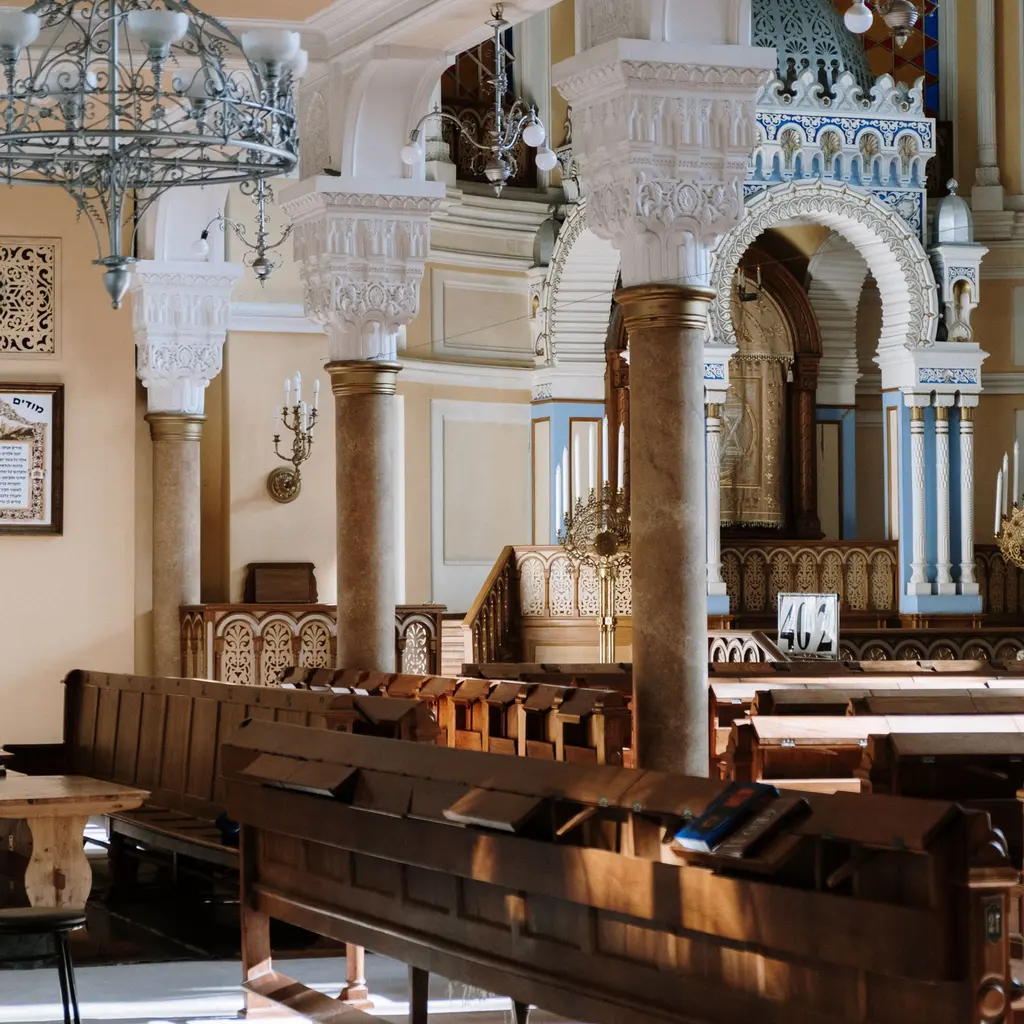
You host services, religious schooling and events that bring crowds into your sanctuary and social halls. Vandalism, injury during celebrations, or food safety risks during catered meals can jeopardize your congregation's activities.
The Southern Agency can review your facility, security measures, and programming to help you select appropriate insurance. For example, we can help match property coverage to your building and ritual items, alongside liability protection for congregant events.
Services, school, and celebrations bring people into the sanctuary, social hall, and classrooms, where slips and falls can lead to claims.
Fire, storm, water, or theft can damage the building, ritual objects, and Torah scrolls that carry significant value.
Heightened safety concerns make vandalism, threats, and security-related incidents a meaningful exposure for synagogues.
Caring for children in Hebrew school and youth programs raises abuse-prevention and supervision concerns.
Celebrations and gatherings with food and wine create foodborne-illness and alcohol-related exposure.
Employing clergy, educators, and administrative staff creates workers' compensation and employment-practices exposure.
Handling member contributions and records creates funds-handling and data exposure if controls or systems fail.
Policies to ask about. Which ones fit depends on your operations, your contracts, and the carrier’s forms.
These hypothetical examples are not agency claim results. Whether a loss is covered depends on the facts, policy terms, and applicable exclusions.
A guest slips during a celebration in the social hall and seeks medical costs. General liability coverage may respond, depending on policy terms and the facts of the incident. Review actual hall/event/food duty, insured congregation, and accepted activity/medical-payments terms.
A storm damages the roof and sanctuary interior, interrupting services. Property coverage may help with repairs, depending on policy terms and exclusions. Check actual storm/water cause, scheduled sanctuary/ritual interest, and valuation/deductibles; service interruption alone does not establish closure funding.
A former employee alleges wrongful termination. An employment practices liability policy may respond to defense and settlement costs, subject to the specific policy and exclusions. Review actual claimant/insured, allegation/reporting, and religious/employment/contract terms; no promised resolution or all-wage benefit.
Start with the work you do and the questions your current policies leave unanswered. Carrier options depend on your location, risk, and underwriting. Explore our approach.
Common coverages include property, general liability, directors and officers, workers' compensation, and employment practices. The right mix depends on programs and staffing, subject to underwriting.
Property coverage may help protect ritual items and scrolls, though high-value pieces may need to be scheduled to value, depending on policy terms and underwriting.
Review actual entity/person and supervision/abuse grants, exclusions, separate limits, defense, prior matters, and reporting. A general/professional/D&O title and screening practices alone do not establish abuse cover or insure every alleged perpetrator. List actual school/childcare and off-site supervision/counseling duties and operators rather than infer acceptance from worship premises.
Separate actual covered vandalism/property damage, injury/security liability and threat-only closure, crisis, or security-upgrade expenses. Review actual event, assault/terrorism, and purchased expense terms and security-provider duties; protective measures or a threat alone do not prove cover.
Review actual clergy/staff/volunteer duties, classification and applicable state rules/exemptions, then actual worker/employer-liability, and volunteer benefits. A clergy title does not establish one universal obligation or every-person cover.
Directors and officers coverage helps protect the board and leadership against governance claims, depending on the specific policy and exclusions.
Bring your questions, current policies, and relevant contracts. An agent can review coverage terms, exclusions, and the information carriers ask for, then explain the options available to you.