

Slip, trip, and fall injuries
Worshippers, visitors, and renters move through parking lots, stairs, and crowded gathering spaces, where falls can lead to bodily injury claims.
Try a different word, or check the spelling.
Your sanctuary's historic craftsmanship and the fellowship hall used by outside groups raise different property and liability questions. Protection should fit the congregation's actual buildings and ministries, without assuming ordinary valuation or a package name includes every counseling, childcare, or travel duty.
The Southern Agency can help you match your insurance to the diverse programs and facilities of your church.
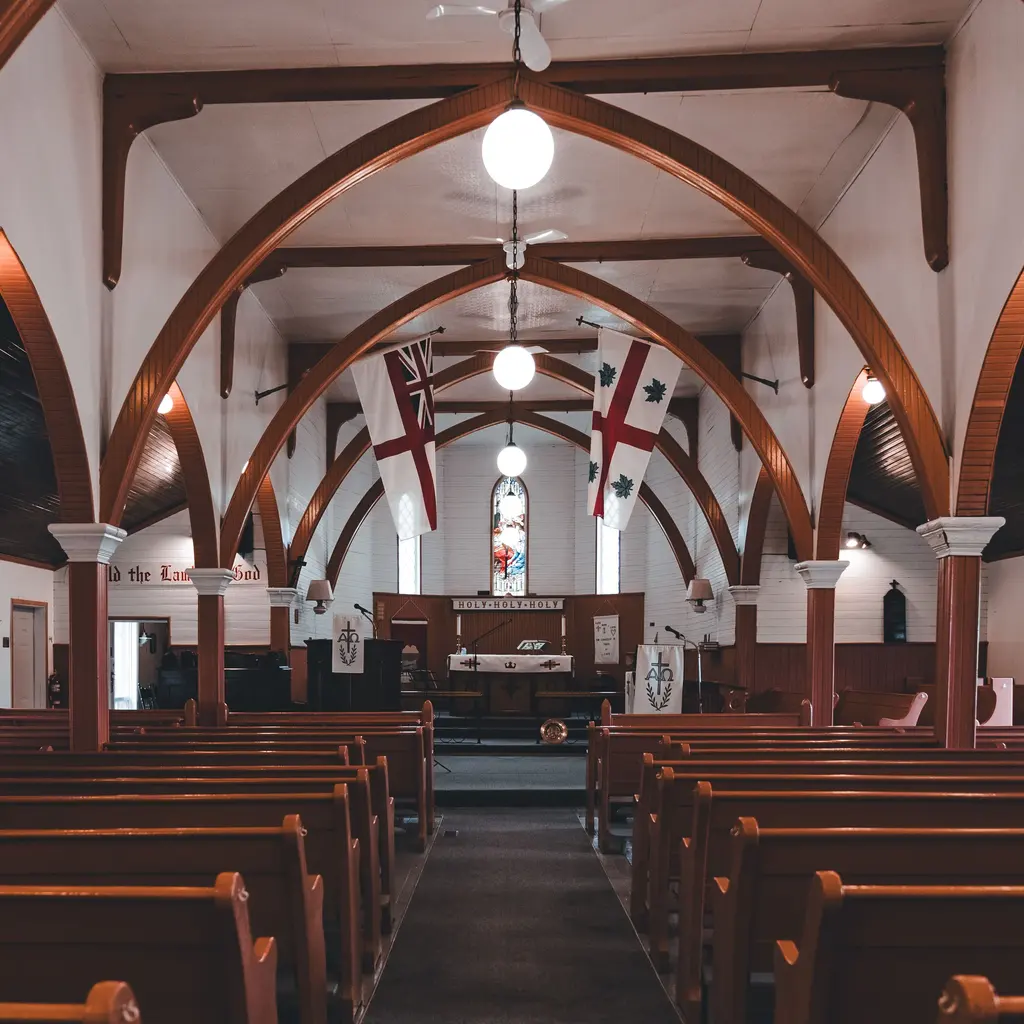
You bring people together for worship and community life. If your church also runs childcare, counseling, mission trips or hall rentals, those activities add duties beyond maintaining the sanctuary and welcoming visitors.
The Southern Agency can review your specific ministries and facility usage to help you select appropriate insurance. For example, we can help you understand the difference between coverage for your sanctuary building and liability for outside groups renting your space.
Worshippers, visitors, and renters move through parking lots, stairs, and crowded gathering spaces, where falls can lead to bodily injury claims.
Youth ministries, childcare, and counseling create one of the most serious exposures a church faces, and may require dedicated coverage.
Fire, storms, water damage, and vandalism can harm buildings, organs, audiovisual systems, pews, and irreplaceable religious items.
Clergy who provide guidance and counseling may face allegations of harm, which differ from ordinary general liability claims.
Weekly cash collections and donations handled by volunteers create the potential for employee or volunteer dishonesty and theft.
Volunteers and paid staff working in kitchens, maintenance, and events can be injured, raising questions about medical costs and lost wages.
Outside groups renting the fellowship hall or hosting events on church grounds can lead to claims involving the congregation.
Policies to ask about. Which ones fit depends on your operations, your contracts, and the carrier’s forms.
These hypothetical examples are not agency claim results. Whether a loss is covered depends on the facts, policy terms, and applicable exclusions.
A visitor slips on a wet floor in the fellowship hall after a potluck and is injured. A general liability policy may respond to the resulting bodily injury claim, depending on policy terms and the facts involved. Review actual premises/renter/catering duties and accepted activity/medical-payments terms; potluck injury is not automatically eligible liability.
A severe storm damages the roof and water reaches the sanctuary and sound system. A commercial property policy may help with repair or replacement costs, subject to deductibles, limits, and exclusions. Check actual storm/water cause, scheduled sanctuary/organ interests, valuation, and deductibles; not all water damage or historic restoration is covered.
A claim alleges harm involving a minor in a youth ministry. Specialized abuse and molestation coverage, where in place, may respond to defense and related costs depending on the specific policy and facts. Check actual congregation/persons, youth supervision and dedicated abuse terms, exclusions, and reporting; ordinary package/D&O does not establish cover.
Start with the work you do and the questions your current policies leave unanswered. Carrier options depend on your location, risk, and underwriting. Explore our approach.
Review actual entity/person and supervision/abuse grants, exclusions, separate limits, defense, prior matters and reporting. A general/professional/D&O title and screening practices alone do not establish abuse cover or insure every alleged perpetrator. List actual childcare/school activities, operators, and locations; confirm professional/supervision and transport acceptance separately.
Describe the actual renter's activity, attendance and use of the kitchen or grounds. Review the church's premises interests separately from the renter's liability, required endorsements and agreement. A renter certificate alone does not make the church an insured for every event or cover every indemnity.
Check volunteers as insured persons for authorized acts separately from their own injury benefits, applicable worker classification and auto/driver cover. None automatically supplies the others. Review actual clergy/staff/volunteer status and applicable state rules rather than assume all clergy or unpaid participants have the same benefits.
Confirm actual insured funds/property, employee/volunteer/officer definitions, loss proof and discovery/notice. Theft, transfer fraud and voluntary-payment/social-engineering grants differ; unexplained shortages and every diverted gift are not automatically covered.
Boards, elders, and trustees make governance and financial decisions that can lead to claims. D&O coverage may respond to allegations tied to those management decisions, depending on policy terms.
Premiums commonly reflect congregation size, building values, the programs offered, staffing, and claims history. Because each church differs, pricing is based on your specific operations and underwriting.
Bring your questions, current policies, and relevant contracts. An agent can review coverage terms, exclusions, and the information carriers ask for, then explain the options available to you.